Africa tailor-made holidays
Overview
With its sweeping landscapes, iconic wildlife and unique cultures, a holiday to Africa serves up a rich blend of travel experiences unlike anywhere else on earth.
From the cultured northern countries of Egypt and Morocco, with their Mediterranean heritage and association with the desert, to the wildlife reserves and safari holidays of Kenya and Tanzania, with their open savannahs and celebrated national parks such as the Masai Mara and Serengeti, the mysterious west African countries such as Ghana that so often escape peoples' attention and destinations such as Botswana, Namibia and South Africa at the foot of the continent with their contrasting environments and exceptional game reserves including the Kruger National Park and the Okavango Delta, the continent swarms with life and reasons to visit.
Alternatively, take to the Indian Ocean islands, including Zanzibar, to relax in style, or explore Madagascar, the 'Eighth Continent', for an insight into a world that developed in isolation.
Popular countries in Africa


Essential experiences in Africa

The scenic beauty of Africa is legendary and there are natural wonders in almost every country, with mountains, deserts, jungles, canyons and more to discover in destinations such as Botswana, Namibia, South Africa, Tanzania and Zambia.

An Africa safari is the original travel experience and one on the wish list of most people with a passion for wildlife. Whilst there are plenty of other wildlife holidays available in Africa, a classic safari and a chance to stay in a luxury safari lodge, still stands out.

Africa is synonymous with Safari holidays but does in fact have a range of other wildlife holidays that go beyond the Big Five; travel to Madagascar, Namibia, Rwanda, Tanzania or Uganda to have other close encounters with nature.

Africa is vibrant and exotic, full of exciting holiday elements that can be combined to create a perfect trip of a lifetime. Celebrate in Kenya, Morocco, Madagascar, South Africa or Tanzania to make your time away particularly special.

Africa is a continent full of history and culture, with the option to explore these traditional, authentic and ancient aspects of a destination in several countries, including Egypt, Morocco and Tunisia.

There are several great railway journeys in Africa that allow you to explore the continent in comfort and style. Take The Blue Train or one of the services operated by Rovos Rail to step back in time and enjoy unparalleled views of the countryside that you pass through.

Include a spa break into your itinerary when travelling in Africa or make it the focus of your trip to Kenya, Morocco or South Africa and come away feeling fully refreshed.

There are some spectacular beach holidays in Africa, with superb stretches of sand in Kenya, South Africa and Tanzania amongst others. The continent and these countries in particular are also ideal for combining safari and beach holidays to produce a truly sensational escape.

Africa offers a wide range of activity and adventure holidays as well as a wide range of walking holidays for people who like to be active whilst exploring a destination.
Top itineraries in Africa
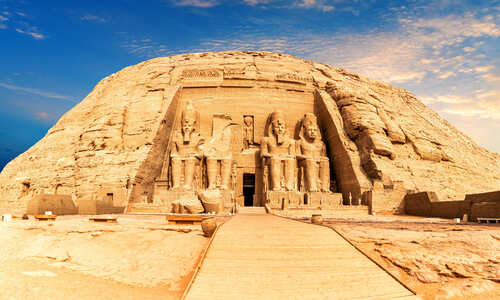
cruise offer
Special savings & cabin upgrades on selected departures – Save up to £2,400pp
Book by: 31 October 2026
Experience the ancient icons of Cairo before boarding the newly refurbished Travelmarvel Sirius for a Nile cruise to remember, sailing in the company of an Egyptologist guide.

Discover the myriad wildlife of Botswana as you explore the vibrant waterways of the Okavango Delta and the vast salt pans of Makgadikgadi, staying in superb camps and enjoying exciting wildlife encounters throughout.


Top offers in Africa
cruise offer
Special savings & cabin upgrades on selected departures – Save up to £2,400pp
Book by: 31 October 2026
Experience the ancient icons of Cairo before boarding the newly refurbished Travelmarvel Sirius for a Nile cruise to remember, sailing in the company of an Egyptologist guide.

cruise offer
Save up to £750 pp
Book by: 30 September 2026
Join AmaWaterways for a luxurious and immersive cruise along Egypt's River Nile, pausing to explore iconic ancient sites in the company of expert guides, between five-star stays in the heart of Cairo.
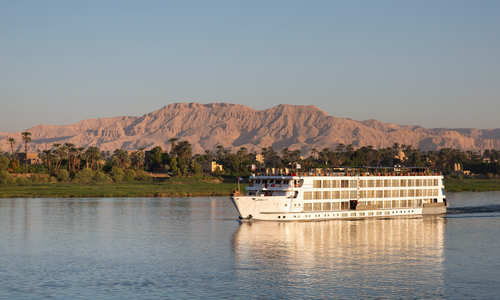
cruise offer
Save up to £600 pp on selected departures in 2027
Book by: 02 October 2026
Journey into history as you explore the splendours of Egypt's River Nile as you combine luxurious Cairo stays with an extended and indulgent weeklong river cruise.
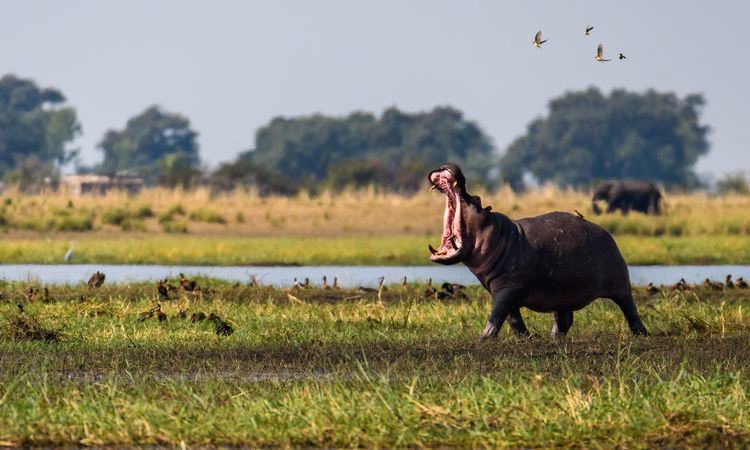
cruise offer
Save up to £750 pp
Book by: 30 September 2026
Combining a luxury cruise on the Chobe River with stays in Cape Town and at Victoria Falls, this spectacular journey is the ideal introduction to the icons of Southern Africa.
Meet our experts
Speak to a tailor-made specialist on