Article content
15 June 2026 by Rob Shepherd
Eastern Canada unfolds as a journey of vibrant cities, coastal wilderness and deep cultural heritage, moving from Montreal’s historic neighbourhoods to the Acadian Peninsula, the Bay of Fundy and the harbours of Halifax. Scenic rail journeys, wildlife encounters, immersive cultural experiences and unforgettable coastal landscapes reveal the region’s warmth, character and diversity. From dark‑sky stargazing to lobster fishing, glamping, kayaking and exploring world‑famous natural wonders, this trip offers a vivid snapshot of Atlantic Canada at its most inspiring. Below, Canada specialist Rob Shepherd recounts his journey in full.
Day 1 – Arrival in Montreal
Flying from London Heathrow Terminal 2, I boarded a direct Air Canada Premium Economy flight to Montreal. The onboard service was exceptional throughout the journey, and the seven-hour flight passed remarkably quickly. Before long, I had landed and was making my way into the city centre by taxi. My home for the stay was the Fairmont Queen Elizabeth, one of Montreal's most iconic hotels. Upon arrival, I was warmly welcomed by the attentive front desk team, whose hospitality set the tone for an excellent stay. After checking in, I headed to my spacious room, where a supremely comfortable king-size bed, excellent amenities, and impressive city views provided an immediate sense of relaxation.
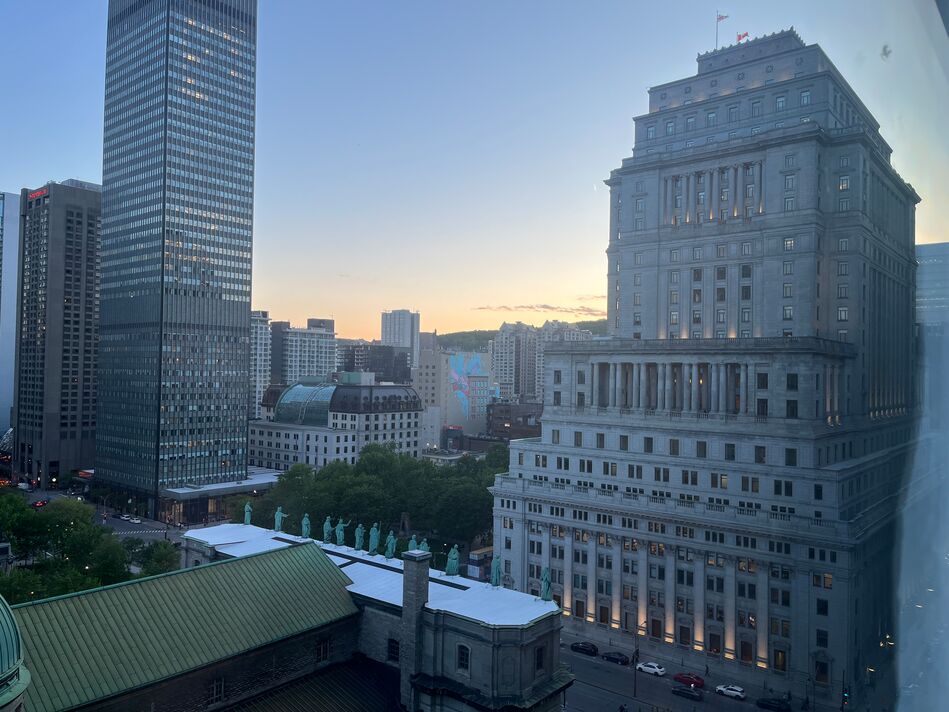
Evening views of Montreal
Eager to reacquaint myself with one of my favourite cities, I set out on foot to explore downtown Montreal and see how it had evolved since my last visit. My first stop was the MEM – Centre des mémoires montréalaises, a compact yet fascinating museum that offers an insightful look into the city's rich history, culture, and development. From there, I continued to the magnificent Queen of the World Cathedral. Its striking architecture and beautifully detailed interior make it one of Montreal's most impressive religious landmarks and a worthwhile stop for any visitor. No visit to Montreal would be complete without paying homage to its sporting heritage, however, so I made my way to the Bell Centre, home of the legendary Montreal Canadiens. Unfortunately, the team had recently been eliminated from the Stanley Cup Playoffs, meaning there was no opportunity to experience the electric atmosphere of a game during this visit.
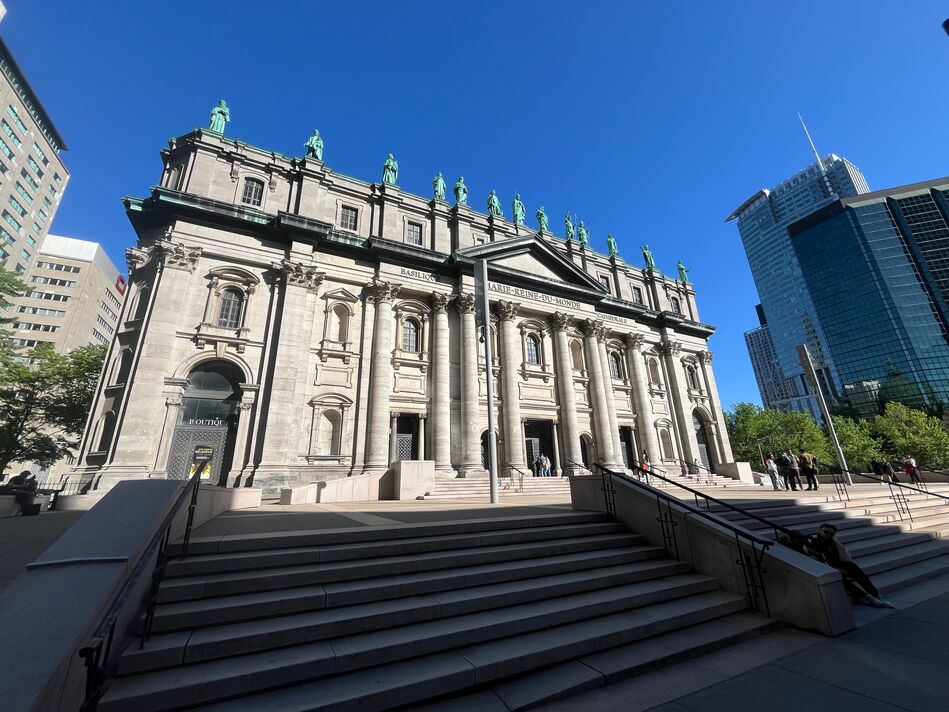
Mary, Queen of the World Cathedral, Montreal
After returning to the hotel to freshen up, it was time for dinner. An evening at Les Enfants Terribles proved to be a highlight, with attentive service, a welcoming atmosphere, and beautifully prepared cuisine that showcased the city's vibrant dining scene. Back at the Fairmont Queen Elizabeth, I took the opportunity to visit the historic suite associated with John Lennon and Yoko Ono's famous Bed-In for Peace. The experience offered a fascinating glimpse into a significant cultural moment. To round off the day, I enjoyed a cocktail at the hotel's rooftop bar, taking in the city skyline before retiring for a restful night's sleep.
Day 2 – Exploring Montreal & the Ocean Train
An early start provided the perfect opportunity to discover another side of Montreal as I met my local guide for a walking tour of Mile End and Mount Royal. Reaching the meeting point was effortless thanks to Montreal's efficient and affordable metro system. Over the course of three hours, I explored some of the city's most characterful neighbourhoods, wandering through charming residential streets and vibrant communities that felt far removed from the bustle of a major metropolitan centre. The tour offered fascinating insights into Montreal's history, from the arrival of early settlers to the significance of the iconic cross that overlooks the city from the summit of Mount Royal. The time passed remarkably quickly, and by the end of the experience, I had gained a much deeper understanding of the city's rich heritage and cultural identity. Our guide's passion for Montreal was evident throughout, bringing the city's stories to life while showcasing the warmth and diversity of its residents. Along the way, we stopped in one of Montreal's Portuguese neighbourhoods to enjoy freshly brewed coffee and traditional Pastéis de Nata, a welcome treat that added a delicious local flavour to the experience.
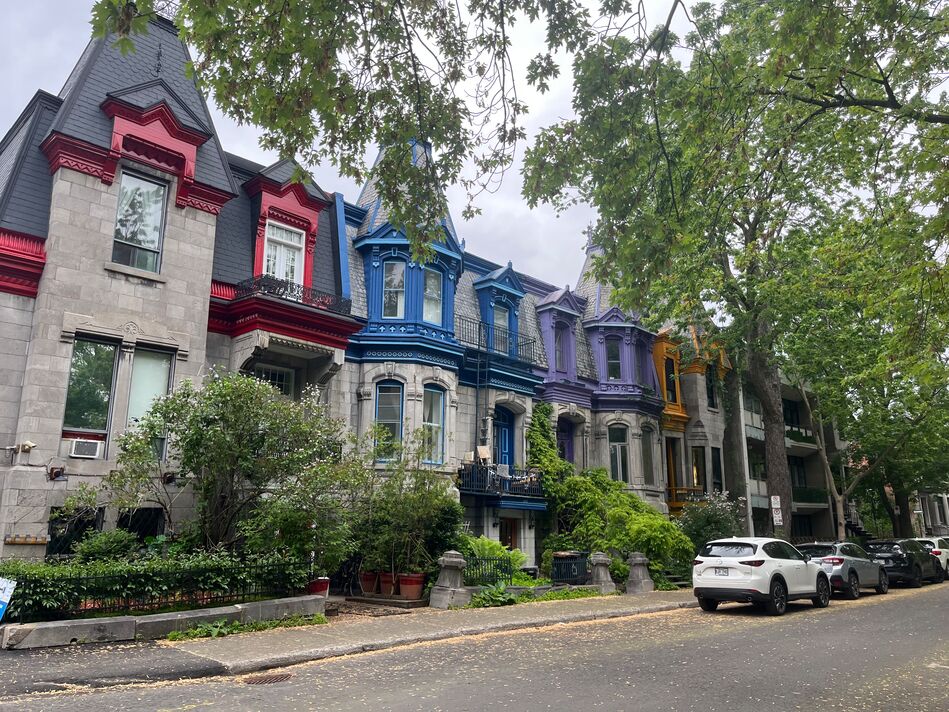
Colourful Victorian houses, Mount-Royal neighbourhood
Following the guided tour, I set out to explore Old Montreal at my own pace. Having visited previously, I was eager to revisit its historic cobbled streets and iconic landmarks. The undisputed highlight of the district is the magnificent Notre-Dame Basilica, whose breathtaking interior rivals some of Europe's finest churches and transports visitors to another era. Old Montreal effortlessly combines history, culture, and hospitality. Its boutique shops, inviting restaurants, and friendly locals create an atmosphere that makes visitors feel instantly welcome. A leisurely stroll towards the Old Port rewarded me with stunning views across the St. Lawrence River, where sightseeing cruises offer an alternative perspective of the city and its waterfront.
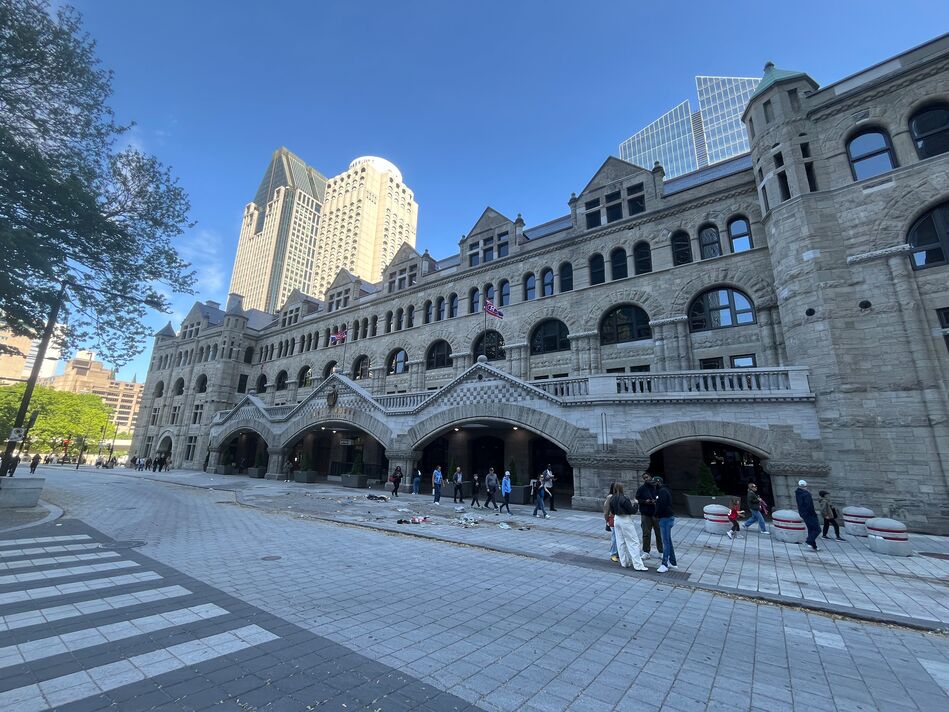
Windsor Station – a former railway station of Romanesque revival architecture
No visit to Montreal would be complete without sampling one of Quebec's most famous culinary creations. As the birthplace of poutine, the city offers countless options, and I opted for a traditional serving at La Belle Province – a satisfying and authentic taste of local culture. After returning to the Fairmont Queen Elizabeth to collect my belongings and check out, I made my way downstairs via the convenient direct access to Gare Centrale, where the next stage of my Canadian adventure awaited. Checking into the Business Lounge at Gare Centrale, I relaxed with complimentary refreshments while waiting for boarding to commence for VIA Rail's iconic Ocean train service. The boarding process was smooth and well organised, and upon arrival on the platform, I was warmly welcomed by my Cabin Manager, who escorted me to my Sleeper Plus cabin.
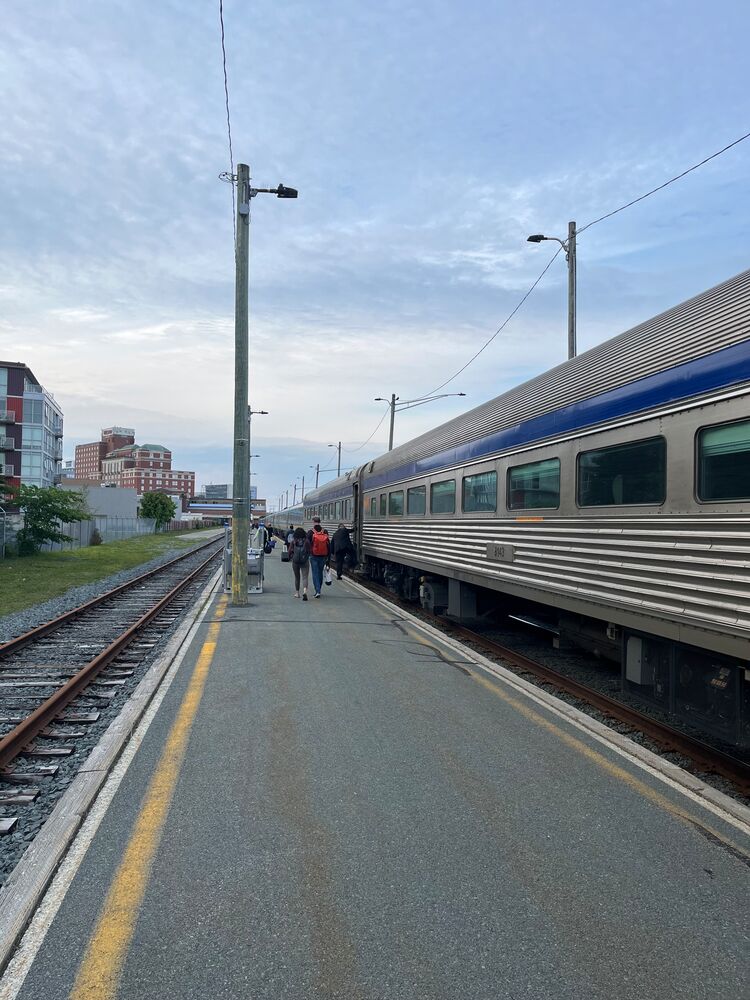
Ocean Train
This comfortable and well-appointed cabin would be my home for the next 19 hours. Settling in, I watched through the window as the train gently departed Montreal and began its journey eastward. The changing scenery provided a fascinating backdrop as the city skyline gradually gave way to the landscapes of rural Quebec. As evening approached, I was invited to the dining car for dinner. The menu offered a selection of dishes catering to a variety of tastes, while the attentive onboard service enhanced the experience. Enjoying a three-course meal against a backdrop of rivers, forests, and small communities made for a memorable dining experience unique to rail travel. Later, my cabin was thoughtfully transformed into a cosy bedroom for the night. As darkness fell, I caught glimpses of the beautiful countryside of Quebec and New Brunswick passing by before settling in for a restful night's sleep, gently carried eastwards by one of Canada's most celebrated train journeys.
Day 3 – New Brunswick
After a wonderfully restful night's sleep, gently lulled by the rhythm of the train, I awoke refreshed and ready for another day of exploration. Breakfast was served onboard and provided a pleasant start to the morning, with freshly brewed coffee, juice, and a selection of breakfast favourites enjoyed as the scenery of eastern Canada passed by outside the window. Upon arrival in Bathurst, we disembarked the Ocean train, where the attentive staff assisted with luggage before we joined our tour coach for a day of discovering the highlights of northern New Brunswick.
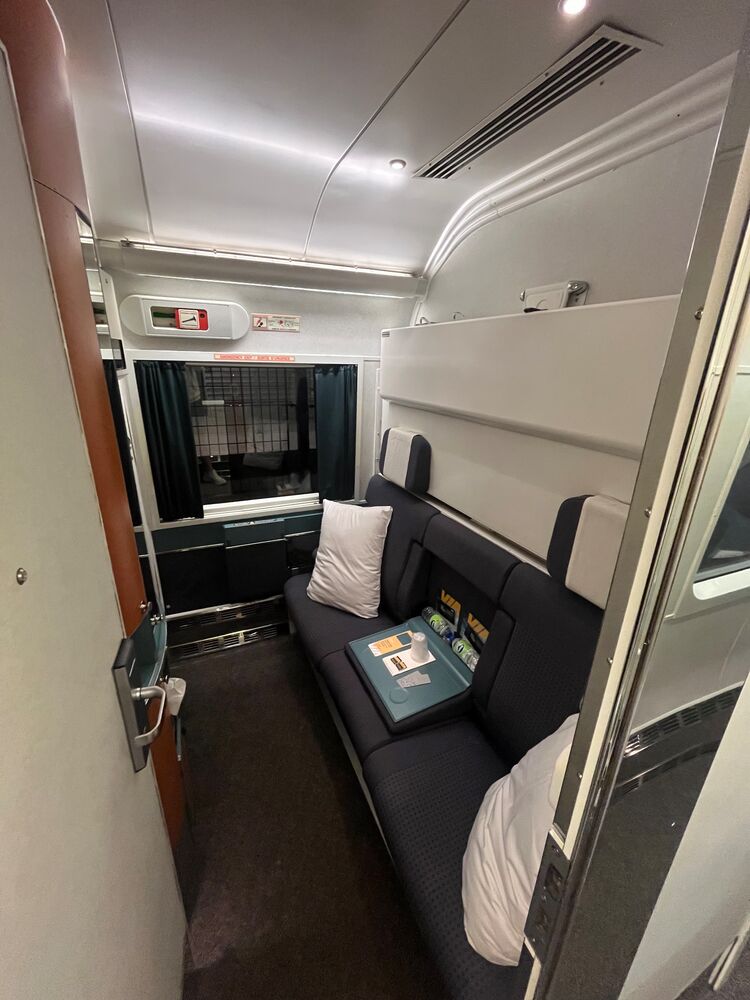
Cabin inside Ocean train
Our first stop was Distillerie New Brunswick, where we were introduced to a range of locally crafted spirits. Accompanied by a selection of delicious food pairings, the tasting showcased the quality and creativity of the region's gin and vodka production, offering a wonderful introduction to New Brunswick's growing culinary scene. From there, we travelled to Daly Point Nature Reserve, a peaceful natural area renowned for its walking trails, wildlife, and coastal landscapes. During our visit, we learned about the diverse ecosystems that thrive here, as well as the extensive outdoor opportunities available throughout the region. For nature enthusiasts, nearby Mount Carleton Provincial Park offers exceptional hiking, camping, and wilderness experiences. While time did not allow for a deeper exploration on this occasion, it certainly provided inspiration for a future visit.
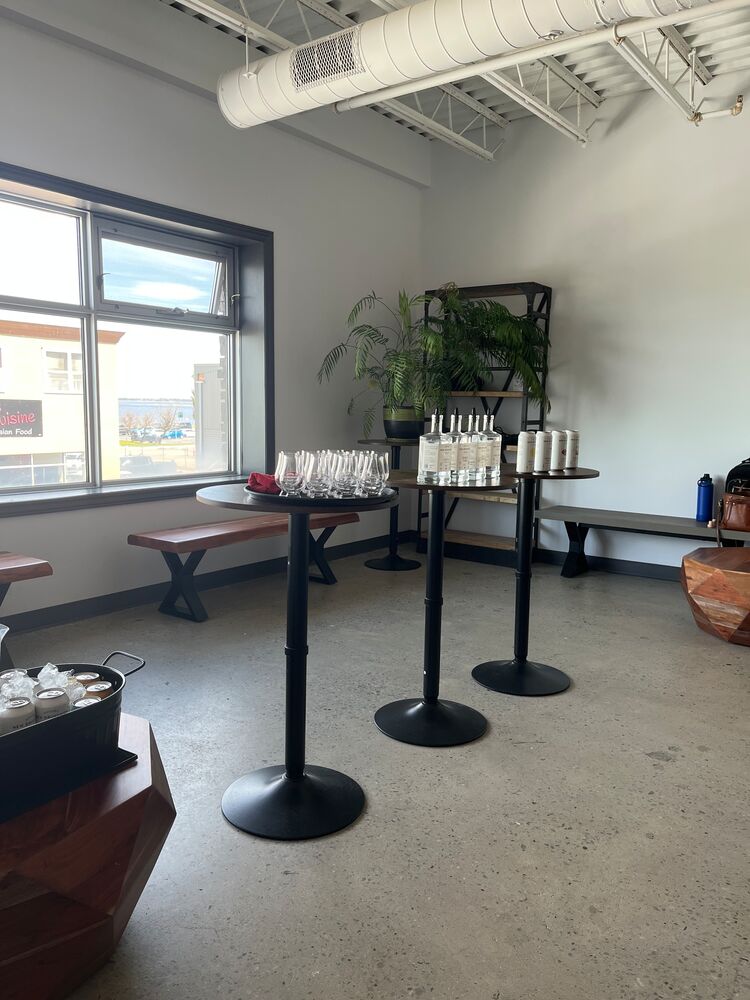
Distillerie New Brunswick
Continuing our journey along the scenic coastline, we stopped at Pokeshaw Rock, one of the area's most photographed natural landmarks. The dramatic coastal scenery, combined with sweeping ocean views, created countless opportunities for memorable photographs and offered a glimpse of New Brunswick's rugged natural beauty. A short drive later brought us to the picturesque Grande-Anse Lighthouse. Perched along the coast, the lighthouse offers spectacular panoramic views and serves as a reminder of the province's rich maritime heritage. The combination of coastal landscapes and fresh sea air made this another highlight of the day.
Our next destination was the remarkable Village Historique Acadien, an immersive living history museum that chronicles Acadian life from 1770 through to 1949. Spread across a beautifully recreated village, costumed interpreters bring history vividly to life through demonstrations, storytelling, and daily activities. Walking through the site felt less like visiting a museum and more like stepping back in time, offering a fascinating insight into the resilience, traditions, and culture of the Acadian people. The Acadian story continued at Distillerie Fils du Roy, where we learned more about the history of the Acadian settlers who arrived in New Brunswick in search of new opportunities and a better future. The visit combined engaging storytelling with the opportunity to sample a range of locally produced spirits, further highlighting the region's strong connection to both its heritage and its local producers.
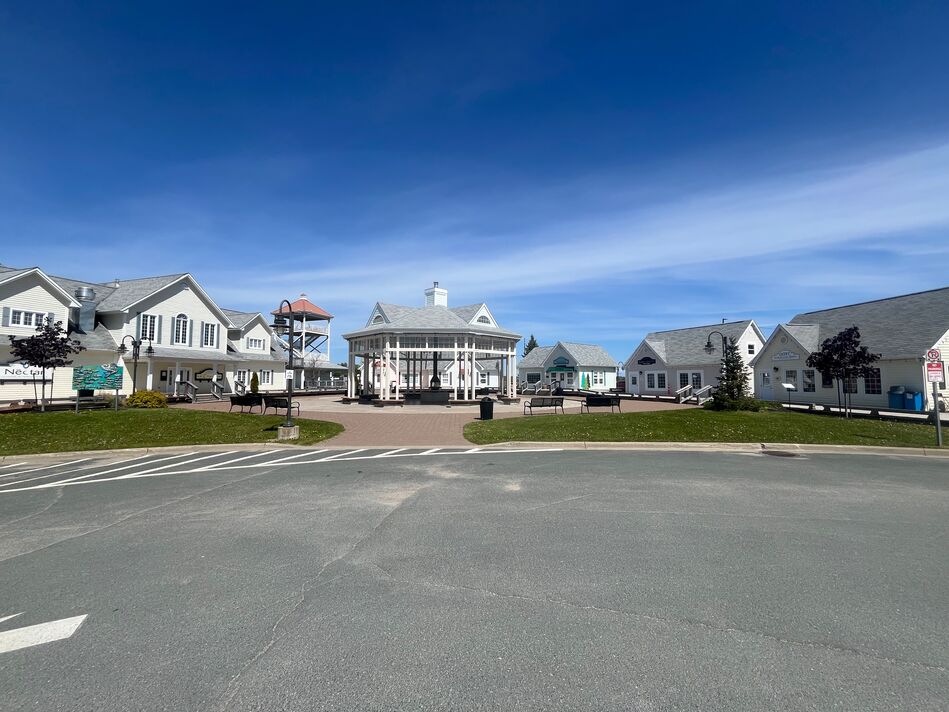
Downtown Bathurst
As evening approached, we enjoyed dinner at L'Entracte Resto Pub, a popular local favourite known for its welcoming atmosphere and authentic home-style cuisine. The menu showcased comforting regional flavours, providing a fitting end to a day filled with cultural and culinary discoveries. Our accommodation for the evening was the Centre de Villégiature Deux Rivières Resort, located just a short distance away. Nestled within a tranquil natural setting, the resort immediately felt like a home away from home, offering a peaceful retreat surrounded by forests and rivers. Before retiring for the evening, I took advantage of the resort's cycling trails and enjoyed a leisurely bike ride through the surrounding countryside. The beautiful scenery, combined with the tranquillity of the setting, provided the perfect conclusion to an unforgettable day. Returning to my room, the peaceful atmosphere ensured I drifted off to sleep almost as soon as my head touched the pillow.
Day 4 – Caraquet, Miscou island & Acadian hospitality
An early start saw us journey north towards Caraquet, widely regarded as the cultural heart of Acadian New Brunswick. This vibrant coastal town hosts numerous Acadian festivals and events throughout the year and offers an excellent selection of local boutiques, artisan shops, and restaurants that celebrate the region's unique heritage and cuisine. Continuing eastwards, we arrived in Shippagan, a charming fishing village where the area's maritime traditions remain at the forefront of daily life. Situated on a picturesque bay that opens onto the Gulf of St. Lawrence, the town provides stunning waterfront vistas and countless opportunities for photography. The combination of colourful fishing boats, working harbours, and expansive coastal scenery perfectly captures the essence of New Brunswick's Acadian Peninsula. Lunch was enjoyed at Oktpous, a highly regarded local restaurant renowned for its fresh seafood. The meal showcased the quality of the region's catch and provided another opportunity to experience the authentic flavours of coastal New Brunswick. During our visit, we also learned about the extensive network of cycling routes that traverse the province. Many of these well-maintained trails have been developed and preserved through the dedication of local Acadian communities, creating exceptional opportunities for visitors wishing to explore the region at a more leisurely pace while enjoying its spectacular natural landscapes.
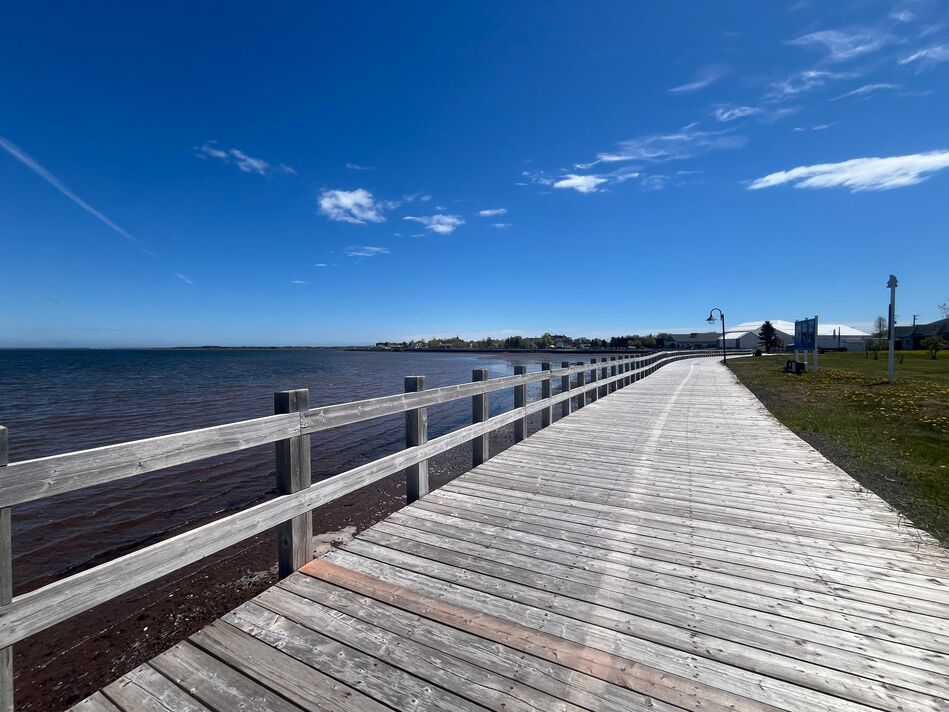
Caraquet
Our journey then took us to the northernmost point of New Brunswick and one of the province's most breathtaking coastal locations: Miscou Island Lighthouse. Perched on a dramatic stretch of coastline, this iconic landmark offers panoramic views that make visitors feel as though they have reached the very edge of the continent. The vast open skies, rugged shoreline, and unspoilt beaches combine to create a landscape that photographs simply cannot fully capture. After exploring the lighthouse, there was time to enjoy a leisurely walk along the beautiful sandy beaches and soak in the tranquillity of this remarkable setting. A charming local restaurant nearby provides the perfect place to relax and enjoy refreshments while taking in the surrounding scenery.
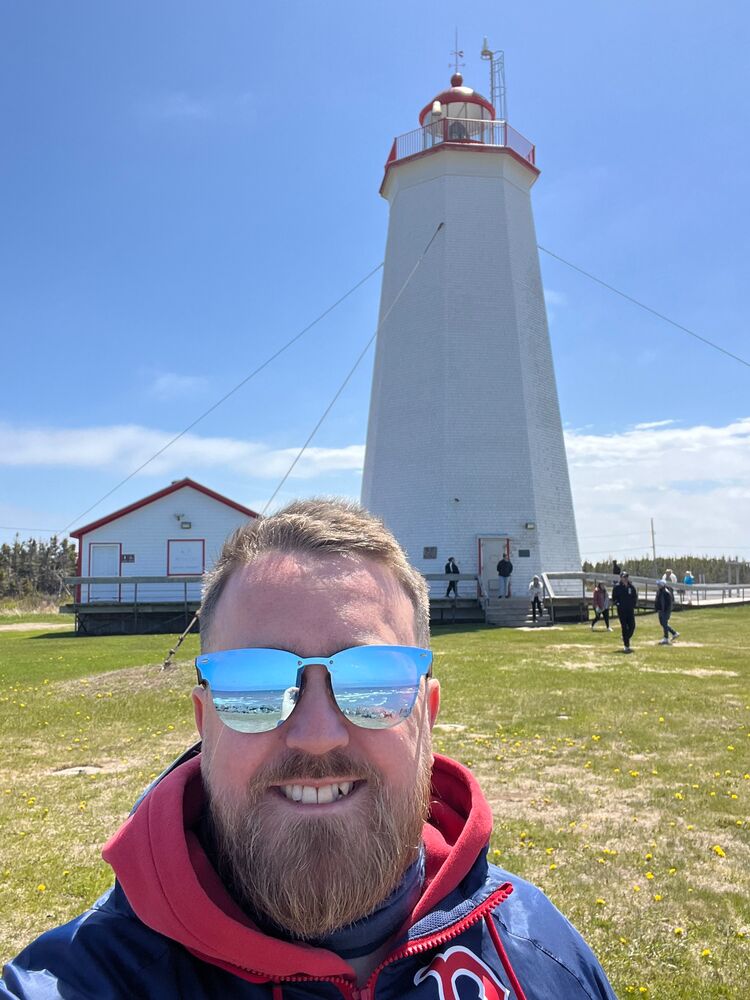
Rob at Miscou Island Lighthouse
Following a day filled with spectacular coastal landscapes and cultural discoveries, we arrived at Cielo Glamping for one of the most memorable experiences of the journey. Set within a stunning natural environment, the property combines comfort and hospitality with an authentic Acadian welcome. The owner hosted a tasting dinner featuring local flavours and regional specialities, before treating guests to an intimate performance of traditional Acadian songs. The warmth and friendliness of the evening transformed a group of travellers into what felt like a gathering of old friends, creating an atmosphere that perfectly reflected the region's renowned hospitality. Returning to the Centre de Villégiature Deux Rivières Resort later that evening, another unforgettable experience awaited. We were welcomed by Steffan, who had organised a Dark Sky Experience designed to showcase the beauty of the night sky in this remote part of the province.
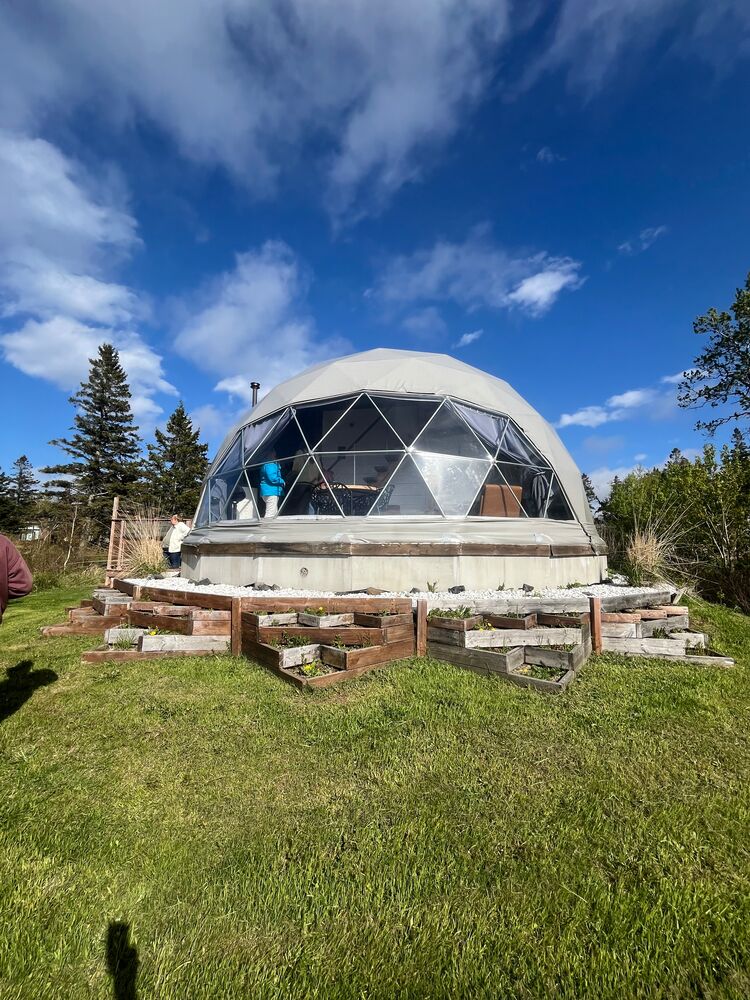
Cielo Camping Ground
Equipped with telescopes and guided by expert knowledge, we spent the evening observing celestial wonders, including impressive views of Jupiter and countless stars scattered across the remarkably clear sky. Far removed from the effects of urban light pollution, the experience offered a rare opportunity to fully appreciate the scale and beauty of the galaxy above. It was a fitting conclusion to a day that perfectly combined culture, nature, and the warm hospitality that defines New Brunswick's Acadian peninsula.
Day 5 – Beaubears Island & Metepenagiag
After checking out the following morning, we set off on a scenic drive towards Miramichi. However, to describe these journeys simply as transfers would be doing them a disservice. In New Brunswick, the drive itself becomes part of the experience, with spectacular scenery unfolding at every turn. As we travelled through forests, riverside landscapes, and remote wilderness, wildlife sightings became a regular occurrence. Bald eagles soared overhead, while deer, groundhogs, porcupines, and even the occasional moose could be spotted amongst the trees. The possibility of encountering black bears added an extra sense of excitement to the journey, making every mile as memorable as the destinations themselves. Our first stop was Nelson, where we boarded a small boat for the short crossing to Beaubears Island, one of New Brunswick's most significant historical sites. Surrounded by beautiful river scenery, the island offers a fascinating insight into the region's shipbuilding heritage and the Indigenous communities who once called the area home.
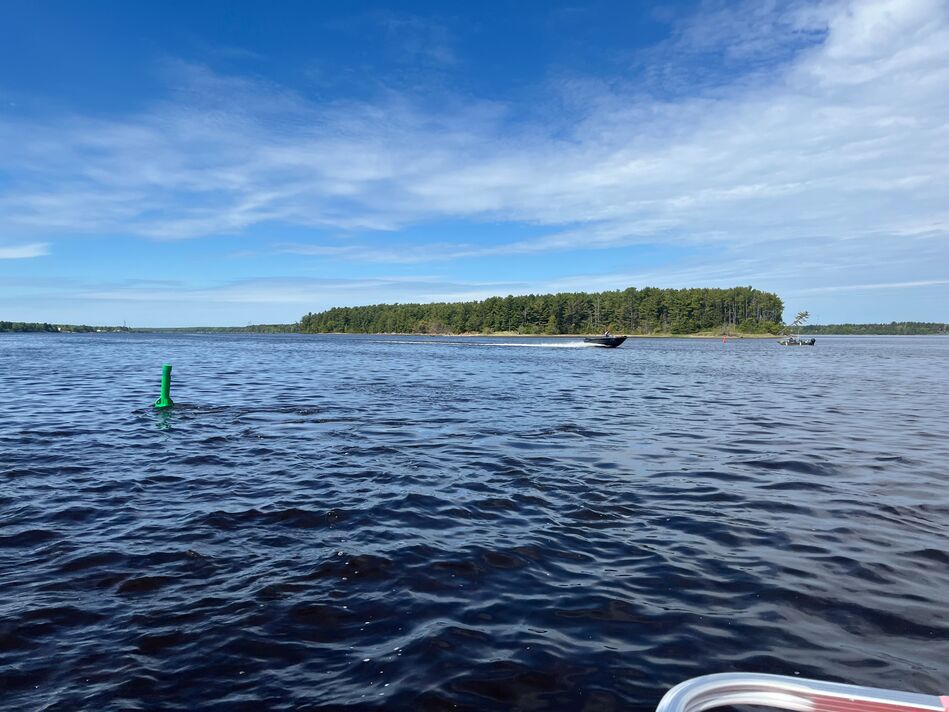
Beaubears Island
Accompanied by passionate local guides, we spent approximately 45 minutes exploring the island's historic landmarks and learning about the generations of shipbuilders whose craftsmanship helped shape the economy and identity of the Miramichi region. The guides' enthusiasm and knowledge brought the island's stories vividly to life, making this brief visit both engaging and memorable. From there, we continued to Saint-Louis-de-Kent for our next maritime adventure. Boarding our vessel, we were treated to views of the largest Acadian flag in New Brunswick, a powerful symbol of the province's Acadian heritage and culture. Our excursion was operated by Phoca Tours, whose expert guides took us out onto the waters of the Northumberland Strait in search of one of the region's most beloved marine residents – wild seals. Watching these curious animals in their natural habitat was a genuine highlight of the day. The tour also included a scenic journey through Les Étroits, where we observed local fishermen at work, hauling lobster traps and continuing traditions that have sustained coastal communities for generations.
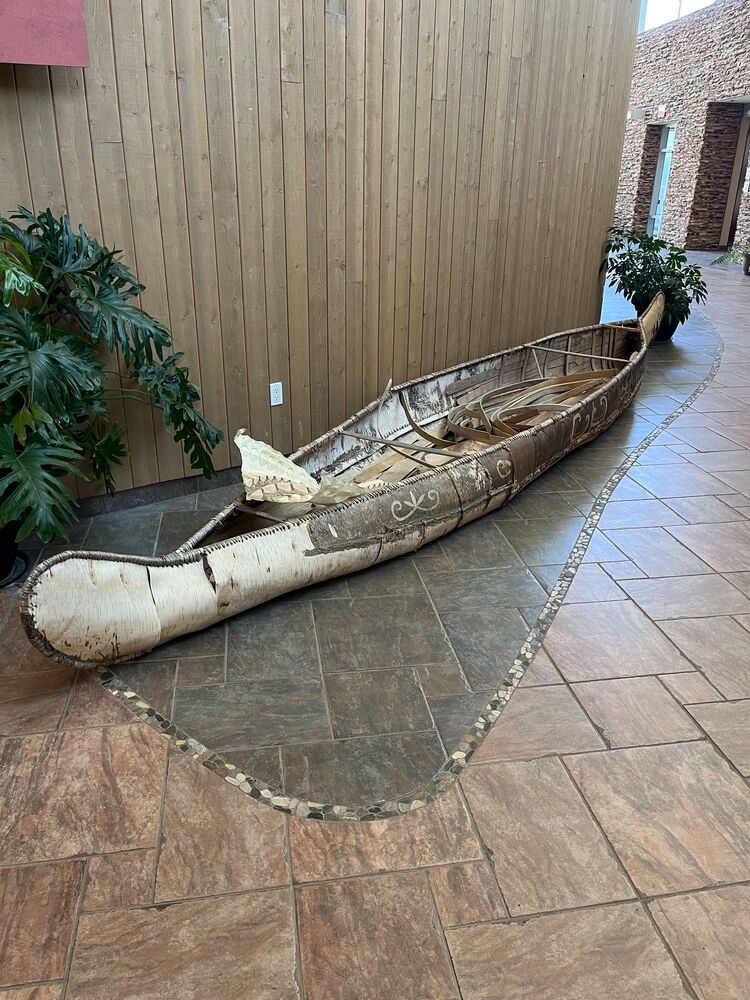
Traditional Mi'kmaq canoe
Following our time on the water, a brief stop at Tim Hortons for a classic Canadian "double-double" provided the perfect opportunity to recharge before continuing our journey. Our final destination of the day was Metepenagiag Heritage Park, a remarkable cultural site dedicated to preserving and sharing the history of the Mi'kmaq people, whose connection to this land stretches back thousands of years. Through engaging demonstrations and storytelling, we gained a deeper understanding of Mi'kmaq traditions, customs, and ways of life. One of the highlights was learning how to make traditional bread, accompanied by herbal tea prepared using ingredients and techniques passed down through generations. The experience offered a meaningful and authentic introduction to one of Canada's oldest living cultures.
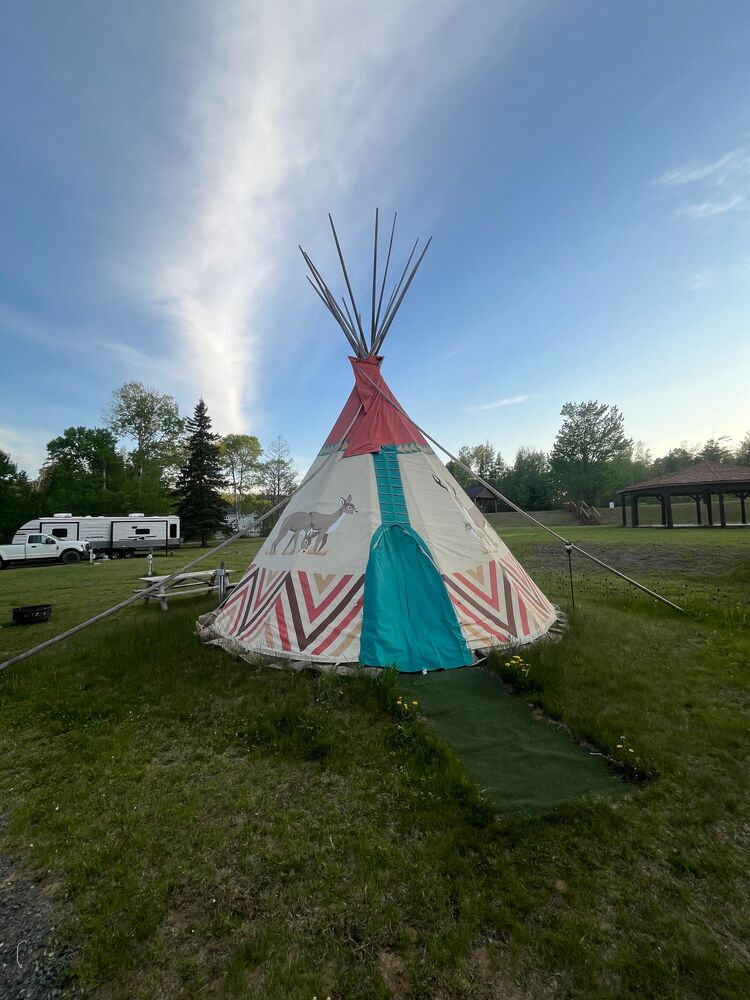
Mi'kmaq Wigwam
To conclude the day, we were fortunate enough to stay overnight within the heritage park itself. Our accommodation was a traditional wigwam, situated beside the river and offering beautiful views across the surrounding landscape. Spending the evening immersed in such a historic and culturally significant setting created a truly unique experience that few travellers have the opportunity to enjoy. For those seeking more conventional accommodation, the nearby Red Bank Lodge provides comfortable hotel-style rooms while still allowing guests to experience the park's rich cultural offerings. Whether choosing a traditional stay or modern comforts, Metepenagiag offers an unforgettable opportunity to connect with the heritage and traditions of the Mi'kmaq people. As darkness settled over the river, the peaceful surroundings provided the perfect setting to reflect on another extraordinary day exploring the diverse cultures, histories, and landscapes that make New Brunswick such a rewarding destination.
Day 6 – Saint-Édouard-de-Kent, Acadian culture & Shediac
The following morning, we departed Metepenagiag and made our way towards the Rodd Miramichi River Hotel, where breakfast at 1809 provided a relaxed and scenic start to the day. Overlooking the banks of the Miramichi River, it was the perfect setting to refuel before another full itinerary of exploration. Our first stop took us to Saint-Édouard-de-Kent, where we visited Lavender at Ocean Breeze Farm. The farm offered a charming selection of locally made products and artisanal gifts, providing a brief but enjoyable insight into the region’s coastal agricultural produce. From there, we continued to the Irving Eco-Centre at Bouctouche Dunes, one of New Brunswick’s most striking coastal environments. With its sweeping boardwalk stretching across protected dunes and out towards the shoreline, the site offers visitors the opportunity to explore a unique and fragile ecosystem while enjoying some of the warmest waters in the province. The combination of sand, sea, and open sky created a peaceful and refreshing stop, ideal for a leisurely walk or a swim.
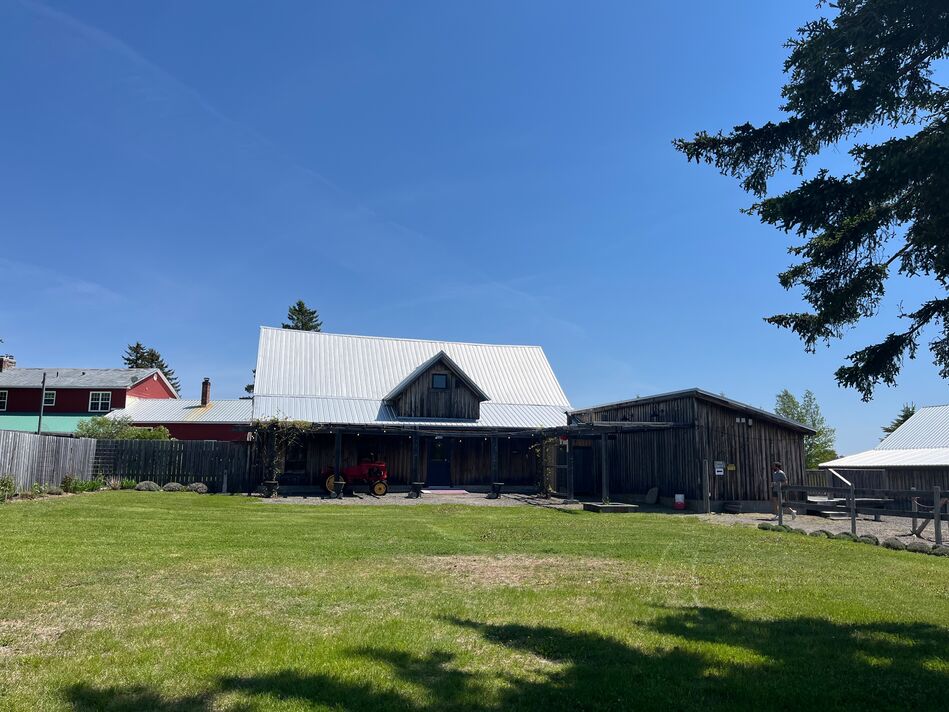
Saint-Édouard-de-Kent
Lunch was enjoyed at La Société Culturelle de Kent-Sud, where a hearty bowl of traditional clam chowder showcased the region’s coastal flavours. Situated alongside a vibrant farmers’ market, the stop also provided access to fresh local produce and artisanal goods, further highlighting the strong sense of community and regional pride. We then made a brief visit to Le Pays de la Sagouine, an Acadian cultural village dedicated to preserving and celebrating Acadian heritage through performance and storytelling. Although our time here was limited, it was clear that the site offers a rich and immersive experience, and we would return later for a full evening programme.
The afternoon was dedicated to one of the most fascinating experiences of the trip at the Homarus Centre in Shediac, where we learned everything there is to know about lobster fishing. The interactive exhibits provided a detailed look into sustainable fishing practices and the careful management involved in maintaining healthy lobster populations, including how decisions are made about which lobsters are returned to the ocean and which are selected for harvest. With live lobsters on display and engaging educational exhibits throughout, the visit offered a memorable insight into one of the region’s most important industries. No visit would be complete without a photo beside the iconic giant lobster sculpture.
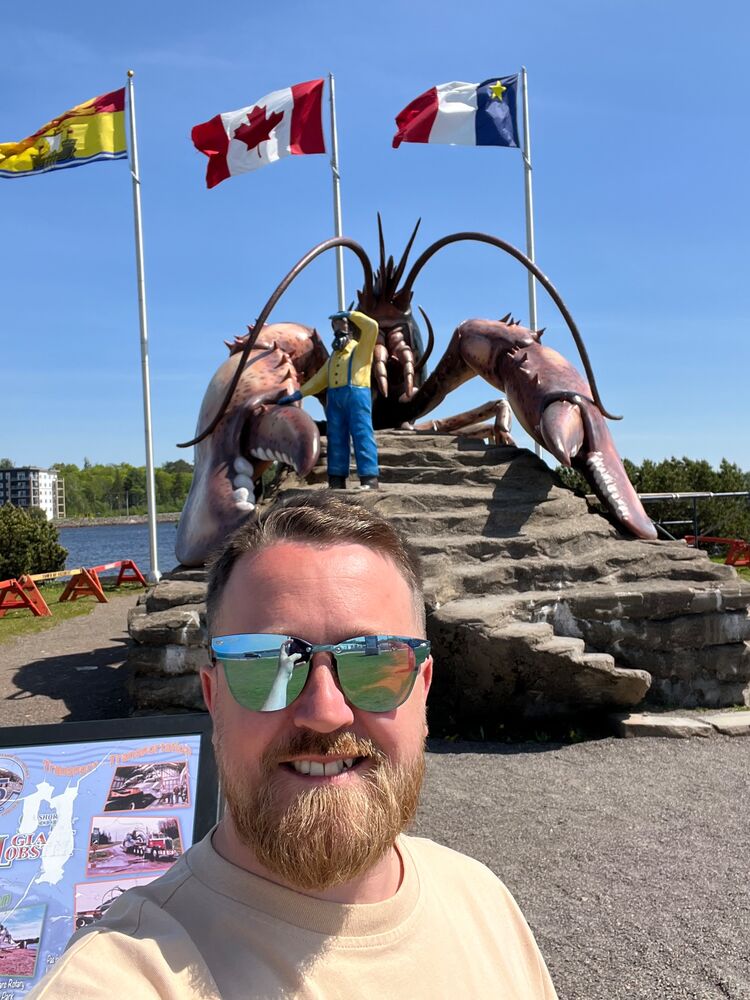
Rob beside giant lobster sculpture in Shediac
Staying in Shediac, we then boarded a boat for a unique culinary excursion at sea. Out on the water, we experienced firsthand the process of hauling lobster traps and learning more about these remarkable creatures in their natural environment. The experience concluded with a freshly prepared lobster lunch on board, along with a hands-on lesson in how to crack and enjoy lobster like a local – an unforgettable maritime dining experience. Following our time in Shediac, we continued on to Moncton, where we checked into the Canvas Moncton Hotel, a contemporary five-star property in the heart of downtown. After settling in, we made our way to the rooftop bar, where expertly crafted cocktails and canapés provided a relaxed and stylish end to the afternoon.
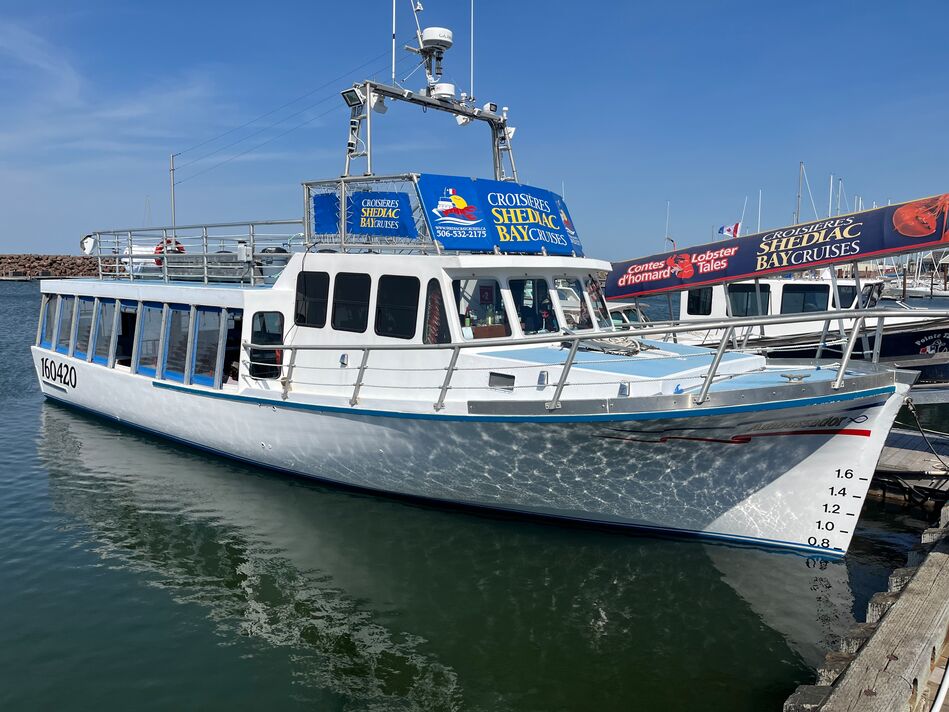
Boat excursion from Shediac
Later that evening, we returned to Le Pays de la Sagouine for the Acadia Lumina experience. Set within the forest, this immersive light and sound trail transforms the landscape into a dreamlike journey through Acadian stories, music, and folklore. As we moved through the illuminated woodland, live Acadian music and theatrical installations brought the narrative to life, culminating in a warm gathering around a fire pit at the end of the trail. It was a captivating and atmospheric experience, offering a powerful final tribute to Acadian culture and heritage.
Day 7 – Bay of Fundy & Hopewell Rocks
On our final day in New Brunswick, we began with a short stop at the Albert County Museum, a fascinating heritage site showcasing life in the region as far back as 1845. The complex includes the original courthouse and jail, the latter of which is rumoured by some visitors to be haunted, adding an intriguing layer of local folklore to its already rich historical significance. Walking through the preserved buildings offers a vivid glimpse into 19th-century rural life in the province. From there, we continued towards the Bay of Fundy and the world-famous Hopewell Rocks, where we met our local guide for an in-depth exploration of this extraordinary coastal landscape. The area is defined by some of the highest tides in the world, and witnessing the dramatic transformation of the seascape firsthand was truly unforgettable. Our morning visit allowed us to experience the ocean fully receded, revealing the towering flowerpot rock formations and vast tidal flats that make this site so unique. After a short break, we returned later in the day to witness the incoming tide and the remarkable shift in the landscape.
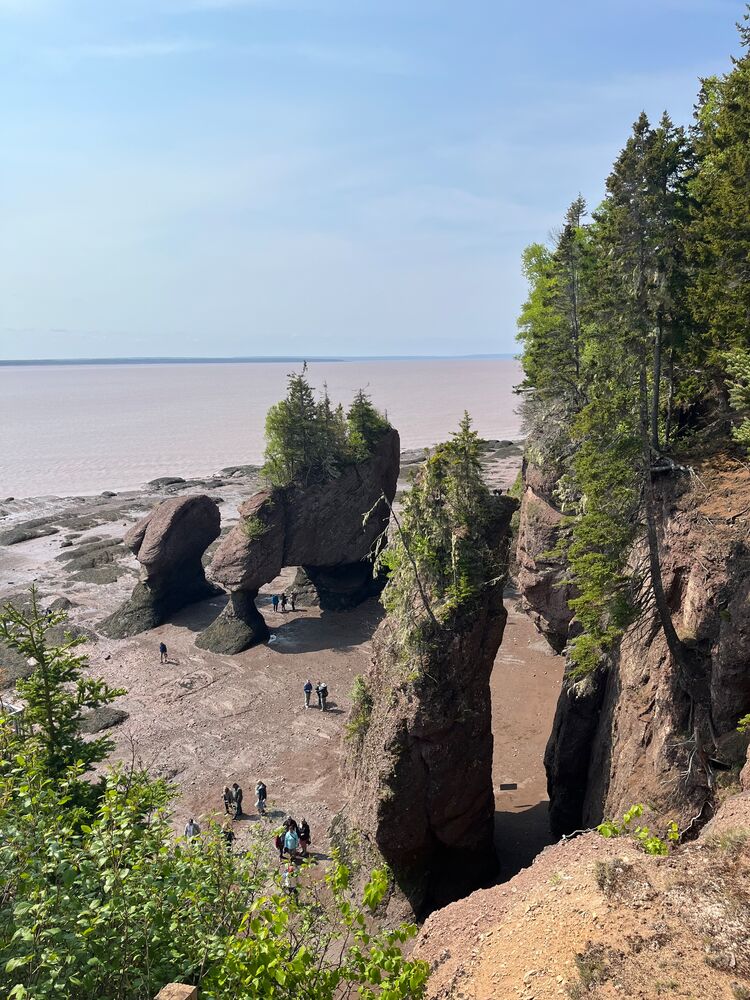
Hopewell Rocks
We then travelled along the scenic coastline to the charming village of Alma, a small fishing community that comes alive in the warmer months. With its welcoming atmosphere, boutique shops, craft breweries, and seafood restaurants, Alma provided a perfect stop for lunch. We dined at Tides, a well-regarded local restaurant known for its fresh seafood and relaxed coastal setting. After lunch, we continued into Fundy National Park, a vast protected area that showcases some of the most dramatic scenery in the region. En route, we passed one of New Brunswick’s remaining covered bridges and enjoyed sightings of bald eagles soaring overhead. A particularly memorable stop within the park included sampling traditional forest tea, made using locally foraged ingredients, offering a unique taste of the surrounding wilderness. The park also offers a wide range of accommodation options, including campsites, RV facilities, and rustic lodges, making it an ideal base for extended exploration of the Bay of Fundy region.
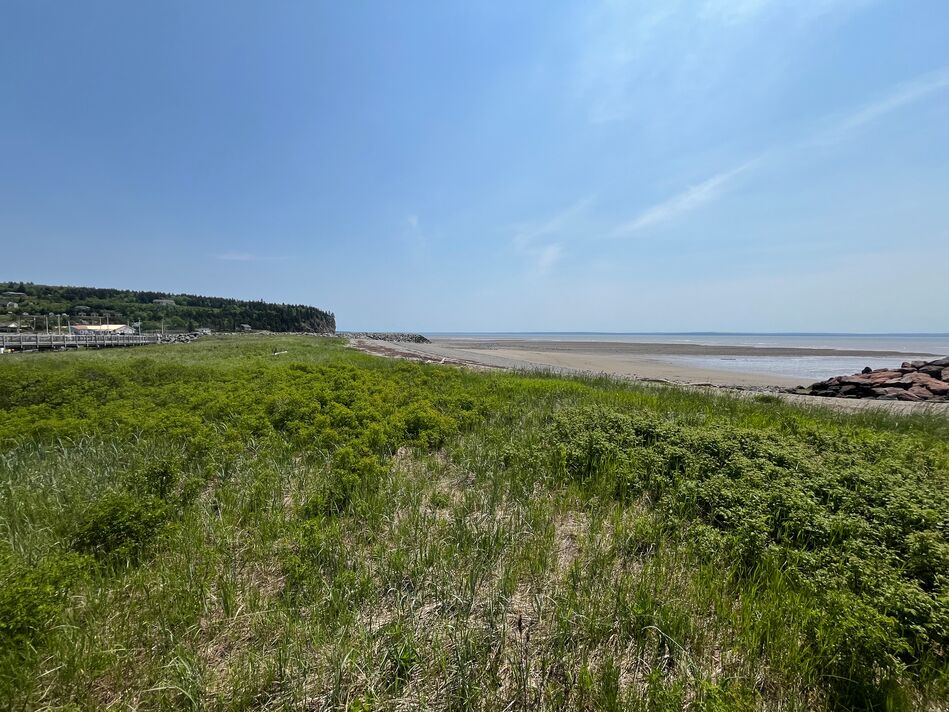
Bay of Fundy region
One of the highlights of the entire journey came later in the day, as we returned to Hopewell Rocks for a completely different perspective—this time from the water. Kayaking among the iconic rock formations we had walked around earlier provided an entirely new appreciation of their scale and beauty. Paddling through the rising tides was both exhilarating and serene, offering a rare and immersive way to experience one of Canada’s most remarkable natural wonders. After a full day of exploring the Bay of Fundy, we returned to Moncton for our final evening meal at Brix, an intimate dining experience where guests can enjoy a private chef preparing tailored cuisine in a relaxed setting. It was a fitting end to the journey, combining excellent food with a sense of celebration and reflection. Moncton itself proved to be a vibrant yet laid-back city, offering plenty of opportunities for a final evening stroll, cocktails, and conversation with friendly locals—an ideal conclusion to an unforgettable adventure across New Brunswick.
Day 8 – Arrival in Halifax
On our final morning, we checked out of the Canvas Moncton Hotel and made our way to Moncton railway station. After checking in our luggage, we had a few hours to explore the city’s scenic riverfront and well-maintained cycling trails, offering a relaxed final opportunity to enjoy Moncton’s outdoor spaces. We then reboarded VIA Rail’s Ocean service for the journey to our final destination: Halifax. The departure marked the closing leg of an unforgettable cross-province adventure, travelling through the changing landscapes of Atlantic Canada. Upon arrival in Halifax, we checked into The Westin Nova Scotian, ideally located directly adjacent to the station. The short walk with luggage made for a seamless arrival experience. This elegant four-star property offers the comfort and service of a luxury hotel, and I was fortunate enough to be assigned a room with views across to Georges Island National Historic Site, a landmark that can be visited on guided tours from the waterfront.
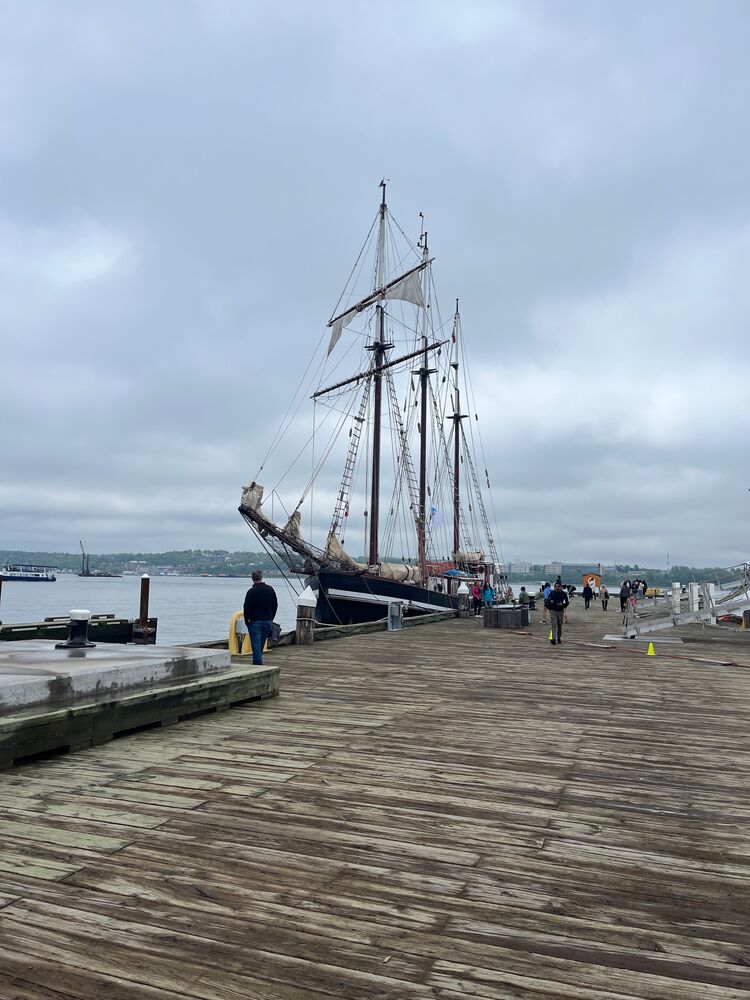
Halifax waterfront
In the evening, I took a leisurely stroll along the Halifax Waterfront, one of the city’s most vibrant and scenic areas. The harbour views, lively atmosphere, and mix of restaurants and bars created a perfect setting for an evening walk. During my time along the waterfront, I sampled a traditional Halifax donair, a local speciality that has become an iconic part of the city’s culinary identity. With its blend of historic charm, energetic nightlife, and inviting coastal character, Halifax provided a fitting final stop to the journey. After a relaxed evening exploring its streets and waterfront, I returned to the hotel to rest and prepare for an early start the following morning.
Day 9 – Halifax & Peggy's Cove
With only one full day in Halifax, the itinerary was necessarily packed, and it quickly became clear that the city deserves at least three days to be properly explored. It is a destination rich in history, culture, and coastal scenery, with far more to offer than can be experienced in a single visit. The day began at the Halifax Citadel National Historic Site, one of the city’s most iconic landmarks. Guided tours and the traditional firing of the noon cannon provide just a glimpse into the significance of this impressive hilltop fortress. Inside, a well-curated museum houses artefacts spanning Canada’s major conflicts, offering a compelling insight into the country’s military history and heritage. For history enthusiasts, it is a site that could easily occupy several hours on its own. From there, I made my way back down to the harbourfront, pausing for a quick coffee before continuing to the Maritime Museum of the Atlantic. This is an essential stop for anyone interested in seafaring history, shipbuilding, and maritime law. Among its most notable exhibits is a detailed and moving section dedicated to the Titanic, which has strong historical ties to Halifax due to its role in the recovery efforts following the disaster.
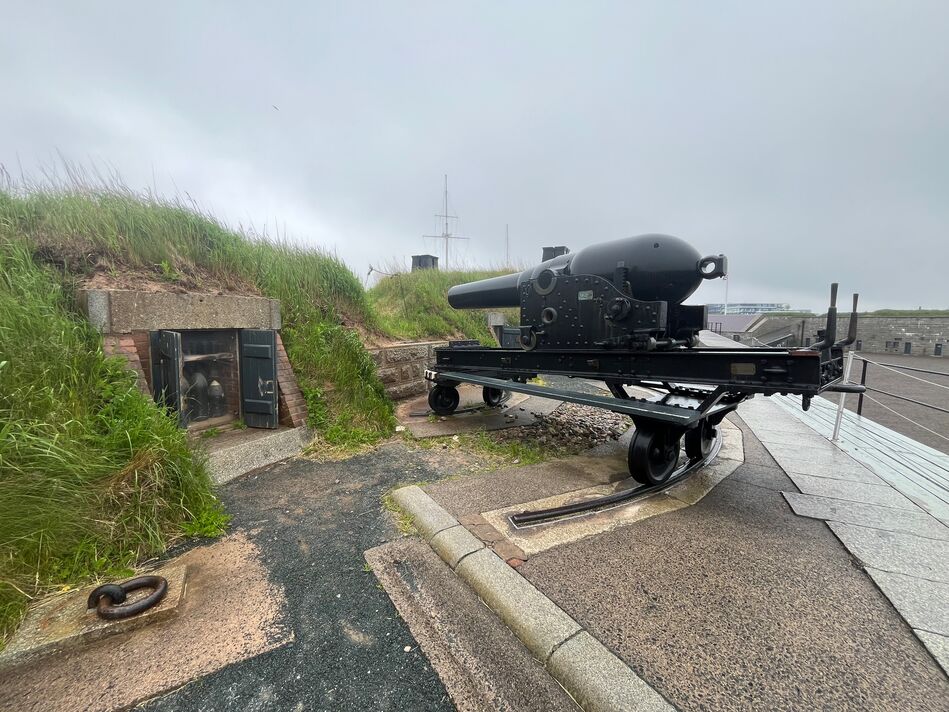
Cannon at Halifax Citadel National Historic Site
Continuing along the waterfront, I explored the bustling Halifax Seaport Farmers’ Market, where a vibrant mix of local produce, street food, and handmade crafts creates a lively and welcoming atmosphere. It is an ideal place to experience the city’s local flavours and pick up unique souvenirs. The cultural exploration continued at the Canadian Museum of Immigration at Pier 21, a profoundly moving and thoughtfully designed museum that tells the story of the thousands of immigrants who first arrived in Canada through this very port. Through personal stories, interactive exhibits, and historical archives, the museum offers a powerful perspective on the nation’s immigration history and identity. After a morning spent visiting three major cultural institutions, I joined an afternoon excursion to Peggy’s Cove, one of Nova Scotia’s most famous coastal destinations. The drive itself was scenic, passing lakes, wooded landscapes, and charming rural communities that showcase the region’s natural beauty.
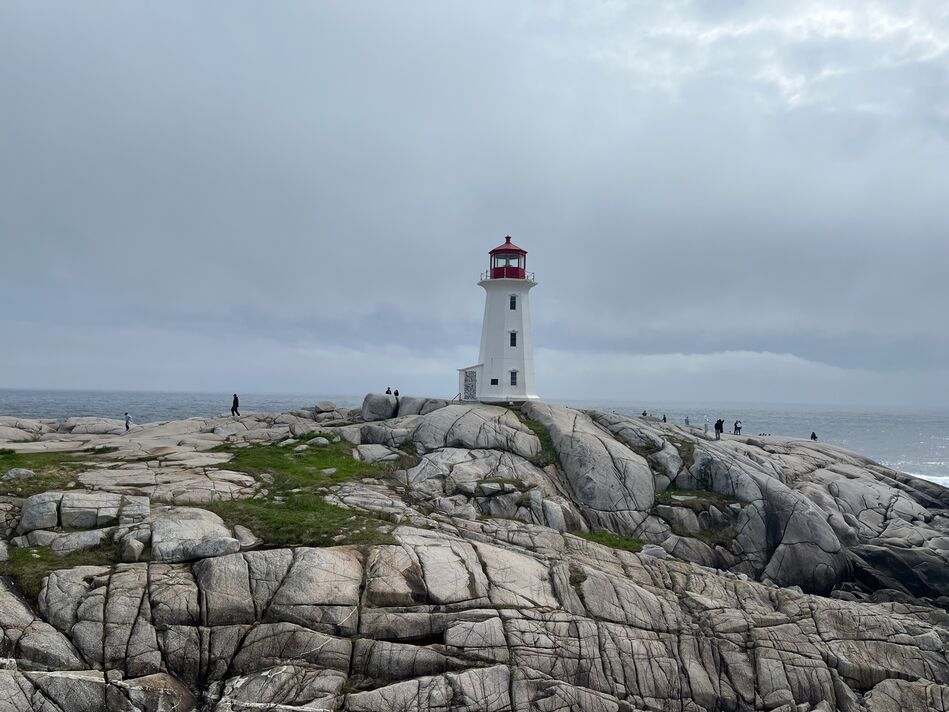
Peggy's Cove
Upon arrival, the dramatic coastal setting immediately justified its reputation. The iconic lighthouse stands perched above a vast expanse of granite rock formations, overlooking the powerful Atlantic Ocean. Exploring the surrounding landscape and sitting quietly on the rocks provided a rare moment of reflection, with the rhythmic sound of the waves creating an unforgettable atmosphere. The village itself is equally picturesque, with small shops and seafood stalls offering fresh lobster and locally made souvenirs, though it is the raw coastal beauty that leaves the strongest impression. The return journey to Halifax was equally scenic, offering time to reflect on a destination that feels almost surreal in its beauty. Back in the city, I ended the day with a traditional plate of poutine at a local bar, where the relaxed atmosphere provided an opportunity to chat with friendly locals. A final glass of Canadian whiskey brought the evening to a close, marking the perfect end to a fast-paced but deeply rewarding day in Halifax.
Day 10 – Departure & concluding thoughts
Check-out from the hotel was seamless, and a comfortable 30-minute taxi transfer brought me to Halifax International Airport with ease. Despite its modest size, the airport is well organised and efficient, making for a straightforward departure experience. Check-in with Air Canada was smooth, and the flight departed on schedule. The return journey to London Heathrow in economy class was comfortable, with a flight time of just over five hours passing quickly and without incident. As the aircraft descended into the familiar British weather, it prompted reflection on the journey completed and the vast contrast between the landscapes of the United Kingdom and Canada’s Atlantic provinces.
The majority of this itinerary was undertaken as part of an organised group tour, with the exception of time spent independently in Halifax. For travellers considering a similar experience, hiring a car would be highly recommended in New Brunswick, where public transport options are limited. However, the reward is substantial, as the province’s road networks offer some of the most scenic drives in Canada, passing through coastal villages, forests, and wide-open landscapes that are best appreciated at a leisurely pace. Rail travel also provides a memorable way to experience the region, particularly the VIA Rail Ocean service, which offers a relaxed and scenic alternative to driving. While not essential, it adds a unique perspective to the journey and allows travellers to take in more of the landscape without the distraction of the road.
One of the most lasting impressions of the trip is the warmth and authenticity of the Acadian people of New Brunswick. Their hospitality, pride in their culture, and genuine friendliness create an atmosphere that is both welcoming and memorable. Across the wider Maritime region, there is a strong sense of community and connection to place that enhances every aspect of the visitor experience. Although the Canadian Maritimes are often overshadowed by the country’s more frequently visited western destinations, they offer an extraordinary combination of natural beauty, cultural richness, and authenticity. It is likely only a matter of time before these provinces gain greater international recognition as some of Canada’s most rewarding travel destinations.