
Summary
Itinerary & Map
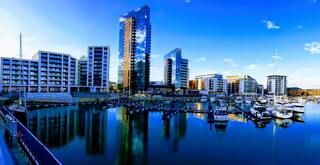
Lying near the head of Southampton Water, a peninsula between the estuaries of the Rivers Test and Itchen, Southampton is Britain’s largest cruise port. It has...
Full description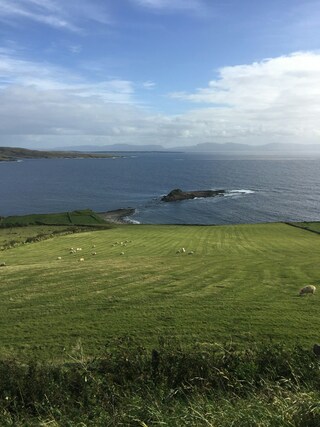
Killybegs The days start early in Killybegs, as this quiet fishing town rumbles to life, and ships with red and blue paint peeling from their hulls quietly depa...
Full description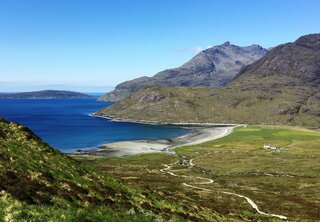
The Isle of Skye ranks near the top of most visitors' priority lists: the romance of Prince Charles Edward Stuart, known as Bonnie Prince Charlie, combined with...
Full description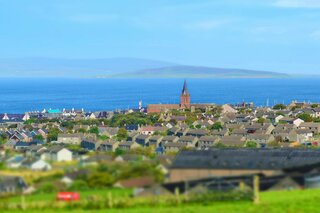
In bustling Kirkwall, the main town on Orkney, there's plenty to see in the narrow, winding streets extending from the harbor. The cathedral and some museums ar...
Full description
The port of Invergordon is your gateway to the Great Glen, an area of Scotland that includes Loch Ness and the city of Inverness. Inverness, the capital of the...
Full description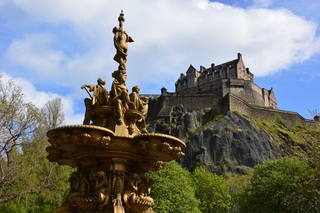
Edinburgh is to London as poetry is to prose, as Charlotte Brontë once wrote. One of the world's stateliest cities and proudest capitals, it's built—like Rome—o...
Full description
Lying near the head of Southampton Water, a peninsula between the estuaries of the Rivers Test and Itchen, Southampton is Britain’s largest cruise port. It has...
Full description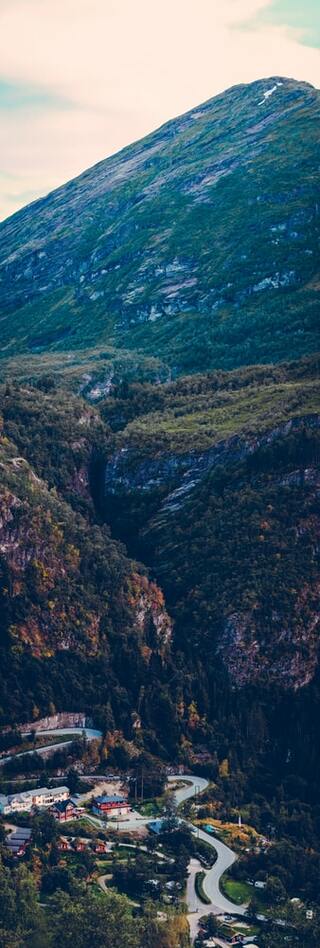
The Geirangerfjord, which made the UNESCO World Heritage List in 2005, is Norway's most spectacular and perhaps best-known fjord. The 16-km-long (10-mile-long),...
Full description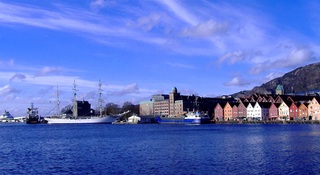
Surrounded by mountains and sparkling fjords, the waterside city of Bergen has a spectacular setting. There has been a settlement here since medieval times and...
Full description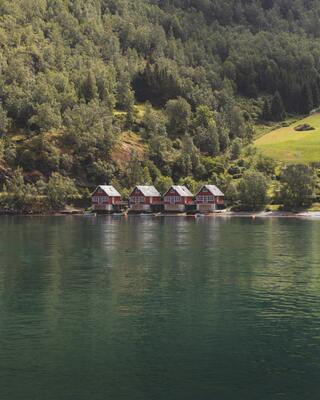

In 1895 work began to construct a new seaport and harbour next to the tiny village of Zeebrugge, situated on the North Sea coast. Today the fast-expanding port...
Full description
Lying near the head of Southampton Water, a peninsula between the estuaries of the Rivers Test and Itchen, Southampton is Britain’s largest cruise port. It has...
Full description
Lying near the head of Southampton Water, a peninsula between the estuaries of the Rivers Test and Itchen, Southampton is Britain’s largest cruise port. It has...
Full description
Killybegs The days start early in Killybegs, as this quiet fishing town rumbles to life, and ships with red and blue paint peeling from their hulls quietly depa...
Full description
The Isle of Skye ranks near the top of most visitors' priority lists: the romance of Prince Charles Edward Stuart, known as Bonnie Prince Charlie, combined with...
Full description
In bustling Kirkwall, the main town on Orkney, there's plenty to see in the narrow, winding streets extending from the harbor. The cathedral and some museums ar...
Full description
The port of Invergordon is your gateway to the Great Glen, an area of Scotland that includes Loch Ness and the city of Inverness. Inverness, the capital of the...
Full description
Edinburgh is to London as poetry is to prose, as Charlotte Brontë once wrote. One of the world's stateliest cities and proudest capitals, it's built—like Rome—o...
Full description
Lying near the head of Southampton Water, a peninsula between the estuaries of the Rivers Test and Itchen, Southampton is Britain’s largest cruise port. It has...
Full description
The Geirangerfjord, which made the UNESCO World Heritage List in 2005, is Norway's most spectacular and perhaps best-known fjord. The 16-km-long (10-mile-long),...
Full description
Surrounded by mountains and sparkling fjords, the waterside city of Bergen has a spectacular setting. There has been a settlement here since medieval times and...
Full description
In 1895 work began to construct a new seaport and harbour next to the tiny village of Zeebrugge, situated on the North Sea coast. Today the fast-expanding port...
Full description
Lying near the head of Southampton Water, a peninsula between the estuaries of the Rivers Test and Itchen, Southampton is Britain’s largest cruise port. It has...
Full descriptionSouthampton
Lying near the head of Southampton Water, a peninsula between the estuaries of the Rivers Test and Itchen, Southampton is Britain’s largest cruise port. It has been one of England’s major ports since the Middle Ages, when it exported wool and hides from the hinterland and imported wine from Bordeaux. The city suffered heavy damage during World War Two and as a result the centre has been extensively rebuilt, but there are still some interesting medieval buildings including the Bargate, one of the finest city gatehouses in England.
Killybegs
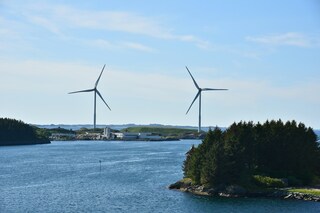
Killybegs The days start early in Killybegs, as this quiet fishing town rumbles to life, and ships with red and blue paint peeling from their hulls quietly depart, ready for a morning's hard work at sea. Located in a scenic part of County Donegal, Killybegs is Ireland's fishing capital, and the salty breeze and pretty streets serve as a revitalising medicine for visitors. The town is also your gateway to some of the country's most majestic coastal scenery, which is dotted with flashing white lighthouses, keeping watch over invigorating seascapes. Killybegs enjoys a privileged position on the coast of north west of Ireland, close to the spectacular Slieve League - a titanic mountain, which explodes upwards from frothing ocean. Walk as close as you dare to the coastline’s sheer drops, or admire the folding cliffs from the best vantage point, down on the water.
Portree, Isle of Skye
The Isle of Skye ranks near the top of most visitors' priority lists: the romance of Prince Charles Edward Stuart, known as Bonnie Prince Charlie, combined with the misty Cuillin Hills and their proximity to the mainland all contribute to its popularity. Today Skye remains mysterious and mountainous, an island of sunsets that linger brilliantly until late at night and of beautiful, soft mists. Much photographed are the really old crofts, one or two of which are still inhabited, with their thick stone walls and thatch roofs. Orientation on Skye is easy: follow the only roads around the loops on the northern part of the island and enjoy the road running the length of the Sleat Peninsula in southern Skye, taking the loop roads that exit to the north and south as you please. There are some stretches of single-lane road, but none poses a problem.
Kirkwall, Orkney Islands
In bustling Kirkwall, the main town on Orkney, there's plenty to see in the narrow, winding streets extending from the harbor. The cathedral and some museums are highlights.
Invergordon
The port of Invergordon is your gateway to the Great Glen, an area of Scotland that includes Loch Ness and the city of Inverness. Inverness, the capital of the Highlands, has the flavor of a Lowland town, its winds blowing in a sea-salt air from the Moray Firth. The Great Glen is also home to one of the world's most famous monster myths: in 1933, during a quiet news week, the editor of a local paper decided to run a story about a strange sighting of something splashing about in Loch Ness. But there's more to look for here besides Nessie, including inland lochs, craggy and steep-sided mountains, rugged promontories, deep inlets, brilliant purple and emerald moorland, and forests filled with astonishingly varied wildlife, including mountain hares, red deer, golden eagles, and ospreys.
Edinburgh
Edinburgh is to London as poetry is to prose, as Charlotte Brontë once wrote. One of the world's stateliest cities and proudest capitals, it's built—like Rome—on seven hills, making it a striking backdrop for the ancient pageant of history. In a skyline of sheer drama, Edinburgh Castle watches over the capital city, frowning down on Princes Street’s glamour and glitz. But despite its rich past, the city’s famous festivals, excellent museums and galleries, as well as the modern Scottish Parliament, are reminders that Edinburgh has its feet firmly in the 21st century.Nearly everywhere in Edinburgh (the burgh is always pronounced burra in Scotland) there are spectacular buildings, whose Doric, Ionic, and Corinthian pillars add touches of neoclassical grandeur to the largely Presbyterian backdrop. Large gardens are a strong feature of central Edinburgh, where the city council is one of the most stridently conservationist in Europe. Arthur's Seat, a mountain of bright green and yellow furze, rears up behind the spires of the Old Town. This child-size mountain jutting 822 feet above its surroundings has steep slopes and little crags, like a miniature Highlands set down in the middle of the busy city. Appropriately, these theatrical elements match Edinburgh's character—after all, the city has been a stage that has seen its fair share of romance, violence, tragedy, and triumph.Modern Edinburgh has become a cultural capital, staging the Edinburgh International Festival and the Fringe Festival in every possible venue each August. The stunning Museum of Scotland complements the city’s wealth of galleries and artsy hangouts. Add Edinburgh’s growing reputation for food and nightlife and you have one of the world’s most beguiling cities.Today the city is the second most important financial center in the United Kingdom, and the fifth most important in Europe. The city regularly is ranked near the top in quality-of-life surveys. Accordingly, New Town apartments on fashionable streets sell for considerable sums. In some senses the city is showy and materialistic, but Edinburgh still supports learned societies, some of which have their roots in the Scottish Enlightenment. The Royal Society of Edinburgh, for example, established in 1783 "for the advancement of learning and useful knowledge," remains an important forum for interdisciplinary activities.Even as Edinburgh moves through the 21st century, its tall guardian castle remains the focal point of the city and its venerable history. Take time to explore the streets—peopled by the spirits of Mary, Queen of Scots; Sir Walter Scott; and Robert Louis Stevenson—and pay your respects to the world's best-loved terrier, Greyfriars Bobby. In the evenings you can enjoy candlelit restaurants or a folk ceilidh (pronounced kay-lee, a traditional Scottish dance with music), though you should remember that you haven't earned your porridge until you've climbed Arthur's Seat. Should you wander around a corner, say, on George Street, you might see not an endless cityscape, but blue sea and a patchwork of fields. This is the county of Fife, beyond the inlet of the North Sea called the Firth of Forth—a reminder, like the mountains to the northwest that can be glimpsed from Edinburgh's highest points, that the rest of Scotland lies within easy reach.
Geiranger
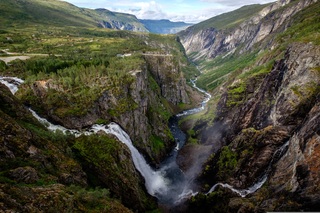
The Geirangerfjord, which made the UNESCO World Heritage List in 2005, is Norway's most spectacular and perhaps best-known fjord. The 16-km-long (10-mile-long), 960-foot-deep Geirangerfjord's most stunning attractions are its roaring waterfalls—the Seven Sisters, the Bridal Veil, and the Suitor. Perched on mountain ledges along the fjord, deserted farms at Skageflå and Knivsflå are being restored and maintained by local enthusiasts.The village of Geiranger, at the end of the fjord, is home to fewer than 300 year-round residents, but in spring and summer its population swells to 5,000 due to visitors traveling from Hellesylt to the east. In winter, snow on the mountain roads often makes the village isolated.
Bergen
Surrounded by mountains and sparkling fjords, the waterside city of Bergen has a spectacular setting. There has been a settlement here since medieval times and the colourful waterfront buildings of the Hanseatic wharf, known as Bryggen, are testament to its fascinating history of trade. As Norway’s best known medieval settlement, the Bryggen is listed by UNESCO as a World Heritage Site. Our comprehensive selection of excursions allows you to discover the many sides of Bergen, such as the fish market and narrow cobbled streets, as well as stunning views of the city from the summit of Mt Fløyen. Alternatively, those who have visited the city previously may like to experience one of the tours that travel further afield. Just 300 yards from the main piers, you will find the Fortress Museum (Fesningsmuseum), which has an interesting collection of objects related to World War II.
Zeebrugge
In 1895 work began to construct a new seaport and harbour next to the tiny village of Zeebrugge, situated on the North Sea coast. Today the fast-expanding port of Zeebrugge is one of the busiest in Europe and its marina is Belgium’s most important fishing port. Many attempts were made to destroy this important port during both World Wars. Zeebrugge is ideally located for discovering the historic city of Bruges, and delightful seaside resorts with long sandy beaches can be visited by using the trams that run the whole length of the Belgian coast. Please note that no food may be taken ashore in Belgium. We shall not be offering shuttle buses to Bruges, but you may visit the city on an optional excursion: those visiting Bruges should note that there may be quite a long walk from the coach to the town centre.
Date & price
Departs
Fri 7 Jul 2028
from £10,465 pp
Enquire now Call 020 7590 0610Per person, based on two sharing, cruise only. Updated daily and confirmed when you book.