
Article content
9 April 2026 by Katrin Rummer
I flew from London Heathrow to Tokyo Haneda on a morning British Airways flight, arriving early the next day. As we approached Japan, I was fortunate to catch a clear view of Mount Fuji from the aircraft window; an exciting, unforgettable first glimpse of the country and a magical way to begin the journey. Visiting in February, right in the heart of winter, offered a quieter, less crowded experience. While cherry blossom season in March–April and autumn’s fiery foliage are spectacular, winter revealed a serene side of Japan, with crisp clear skies, stunning Mount Fuji vistas, and even a day of snowfall in Kyoto that felt truly magical.
Tokyo: First impressions
Arriving in Tokyo was seamless via private transfer. My stay was part of a structured trip, with supplier meetings and pre-planned site visits, yet the city’s energy and contrasts immediately captivated me. Tokyo feels vast and vertical, with towering skyscrapers juxtaposed against ancient temples and shrines. Winter brought pleasantly sunny days, and Mount Fuji was visible almost every day, adding an extraordinary backdrop to the city.
Views & skyline
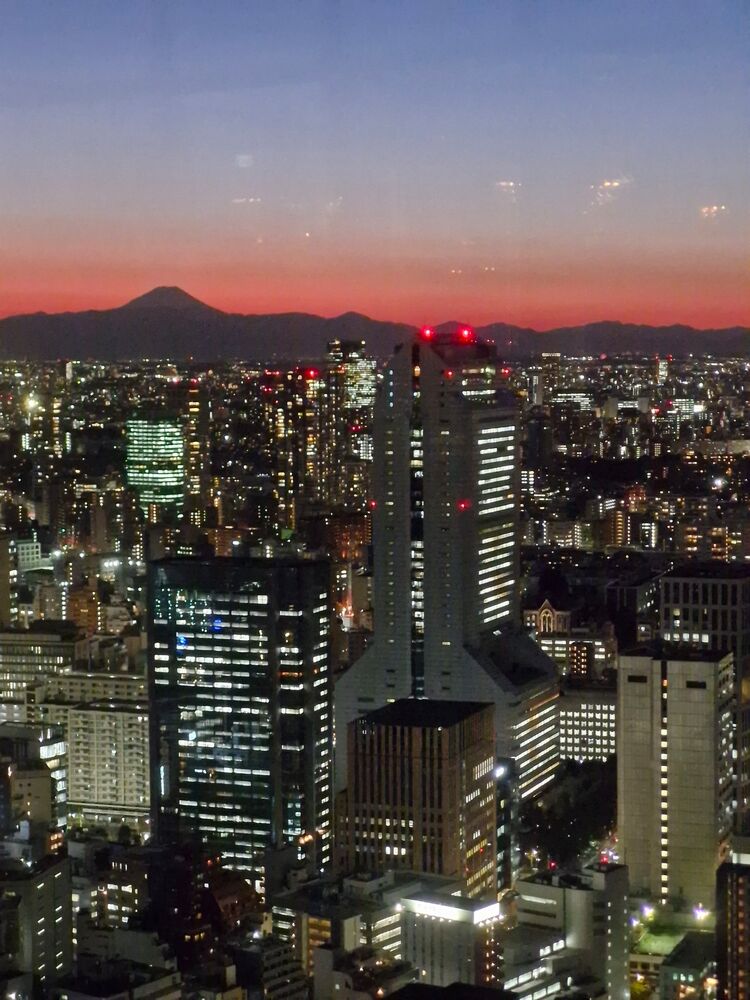
I visited Tokyo Tower and Roppongi Hills for sweeping city views, but some of my favourite perspectives were from my hotel, the Fairmont Tokyo. From the rooftop heated outdoor jacuzzi and terrace, I could watch the city transition from daylight to sparkling evening lights, with Tokyo Tower illuminated and Mount Fuji framed on clear days.
Other top viewpoints include Tokyo Skytree – at over 600 metres, it is the tallest tower in the world, offering unmatched panoramas – and the Palace Hotel Tokyo, where upper floors and balcony rooms look over the Imperial Palace grounds, contrasting lush greenery with Tokyo’s skyscrapers.
Culture, food & local experiences
Exploring Tokyo’s traditional neighbourhoods was a highlight. Zojo-ji Temple, with Tokyo Tower in the background, was stunning, and next door at Shiba Toshogu Shrine I paused to receive a blessing at the purification water; a quiet and reflective moment amid the city bustle. I adored the former Tsukiji Outer Market, alive with street food vendors, cafés, and local stalls. Food was a real highlight for me: from an unforgettable tempura lunch cooked in front of my eyes, to a vegetarian Buddhist meal in a temple, and, of course, some of the best sushi I’ve ever tasted.
Ginza’s refined shopping streets were also a highlight, and I also sought out Tokyo’s quirky contemporary icons, from the light show at the Metropolitan Government Building to the Godzilla Head and the 3D cat installation in Shinjuku. There was also time for me to participate in two hands-on cultural experiences: a glass-cutting workshop and Kintsugi painting as well as a chance to attend an extraordinary live Kabuki performance. Sumo is still on my list for next time!
Tokyo after dark is special. Shimbashi and Shinjuku buzz with neon lights, crowded streets, and countless izakayas (casual gastropubs). Passing through Shinjuku Station, the world’s busiest station, was memorable in itself with its approximately 15 train lines, extensive underground tunnels and around 200 exits. I was particularly excited to discover Omoide Yokocho, with narrow alleys and tiny eateries that felt authentically local, offering a stark contrast to the city’s frenetic energy.
Getting around
Tokyo is exceptionally efficient and easy to navigate using public transport, especially once you get the hang of it and feel confident enough. I relied heavily on my preloaded IC transport card and the Yamanote Line, which links major districts and makes exploring seamless. Overall Impression: Tokyo is dynamic, immersive, and endlessly fascinating. Even with a tightly structured itinerary, its scale, cultural depth, and food scene left a lasting impression. Three nights offers a strong introduction, but four nights with at least one fully guided day is ideal.
Hakone
From Tokyo, I took the slower Romancecar to Hakone-Yumoto (it was cloudy on the route, so no Mount Fuji view), then a five-minute bus ride using my Hakone Freepass to Yama No Chaya, my ryokan at the start of the valley. Alternatively, you can take the Shinkansen to Odawara and arrange a private transfer. I highly recommend either option for ease and convenience.
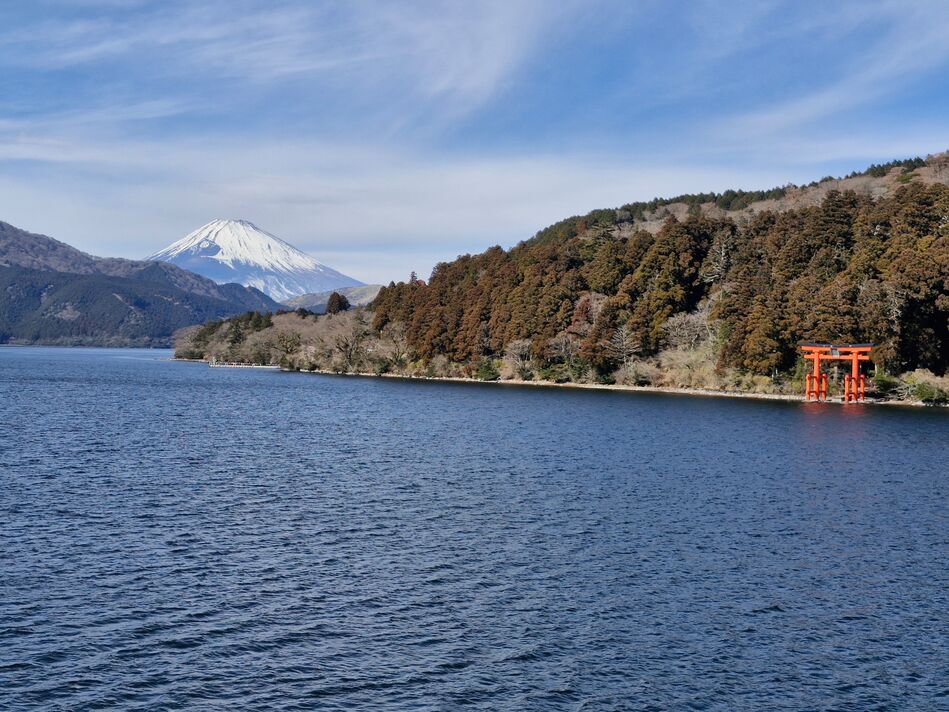
My lovely, authentic, ryokan Yama no Chaya, accessed via a charming wooden suspension bridge, immediately set the tone for the trip. I took a bus to Lake Ashi for a sightseeing cruise. The pirate-style ship was a little quirky, but the winter setting with still waters, crisp air, and Mount Fuji looming in the distance was unforgettable. I captured great photos combining the iconic red torii gate and Fuji.
Next, I visited Owakudani. With the ropeway closed, I travelled up by coach, pausing to admire sweeping lake views and Mount Fuji before reaching the dramatic volcanic landscape, with its sulphur fields and rugged terrain. From there, the ropeway reopened, descending over the valley toward Sounzan and continuing on the scenic cable car to Gora. After a coffee stop, I hopped on the little train back to the ryokan, enjoying the twists, turns, steep switchback and forested slopes along the way.
That evening, a ten-course kaiseki dinner at my ryokan, seasonal and beautifully presented, was followed by a soak in the private open-air onsen, first on my balcony surrounded by forest silence, then in a larger bath. I only stayed one night, but Hakone deserves two, to linger in the onsens, savour the food, and soak up those magical winter views of Mount Fuji. My overall impression is that Hakone offers a calm escape from Tokyo, with breathtaking nature and Mount Fuji views. Staying in a ryokan, soaking in a hot onsen, and savouring a kaiseki meal is a truly unforgettable Japanese experience, so, for me, a must-do on any Japan visit.
Kyoto
I journeyed to Kyoto via bus and train to Odawara, then for the first time on my trip on the impressively high-speed Shinkansen (bullet train) – a seamless experience made even easier by forwarding my luggage from Tokyo and travelling light from Hakone. My hotel, the ultra-luxury Banyan Tree Higashiyama, sits high above the city; here I recommend a transfer from Kyoto Station rather than navigating buses and trains.
With no bags to manage, I explored some hotels (Hotel Vischio Kyoto and The Thousand Kyoto with their convenient location near Kyoto Station), then walked along the canal toward Gion, a scenic route hinting at cherry blossom season. Crossing the Kamo River, I visited the lovely The Celestine Gion hotel on the quieter southern edge of the district, noted the ultra-luxury Capella Kyoto opening in February/March 2026, and continued to the Hyatt Regency near Sanjūsangen-dō Temple. Walking onwards to my hotel, streets grew quieter, and city views became increasingly beautiful.
That evening, Gion and its ancient, wooden teahouses came alive with red lanterns. I spotted geiko and maiko moving gracefully, strolled toward Pontocho, and wandered narrow alleyways of izakayas, stopping for freshly cooked gyoza. Yasaka Shrine at night glowed beautifully against the hills; a magical introduction to Kyoto’s living traditions.
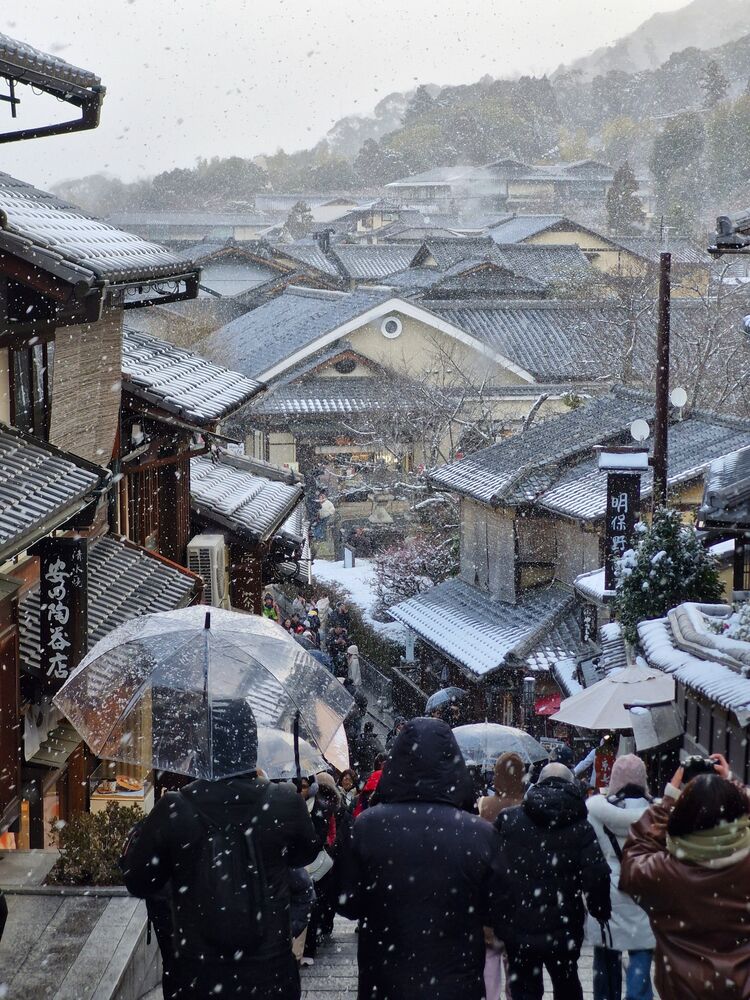
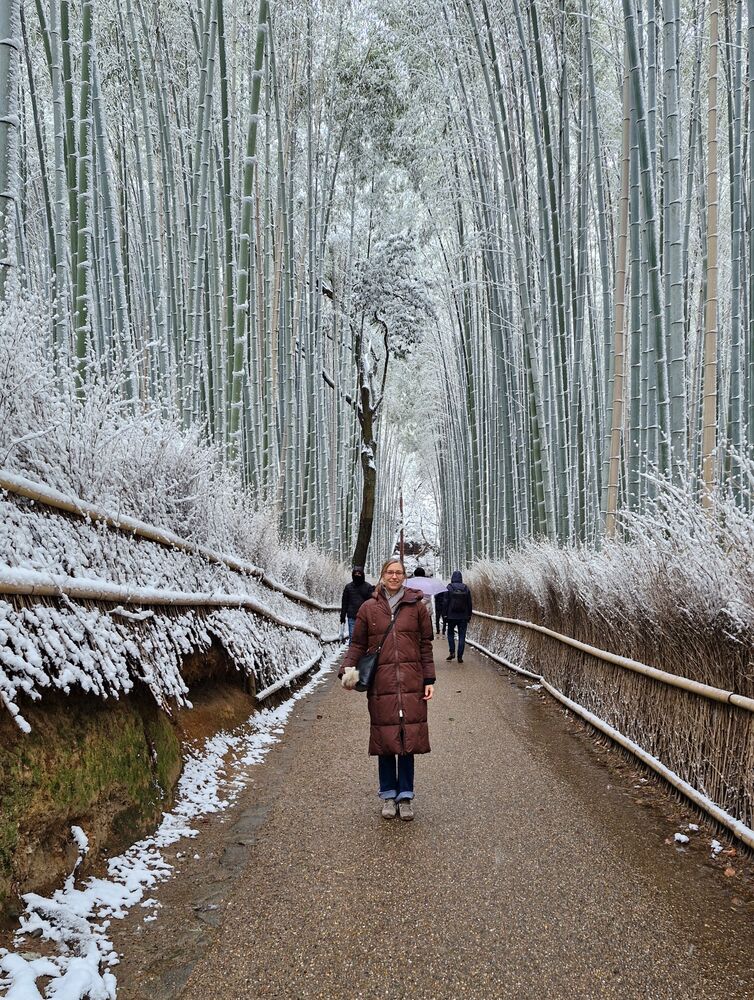
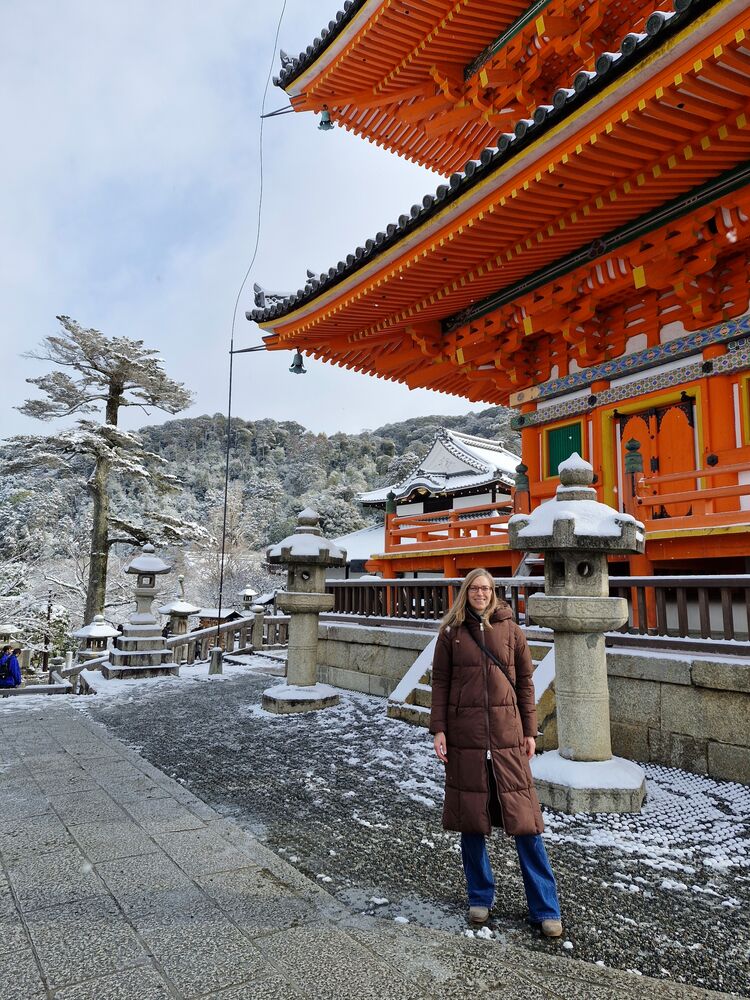
The next morning, fresh snowfall transformed the city into a winter wonderland. With a private guide, I explored Arashiyama, visiting Tenryū-ji Temple and the bamboo forest blanketed in snow; a surreal highlight. We continued to Nishiki Market for ramen and matcha, then Nijo Castle, where the guide vividly brought shoguns and samurai to life. Later, in Gion, I attended a 45-minute tea ceremony and walked the historic stone steps of Ninenzaka and Sannenzaka, taking in magical, snowy views. The following morning, I explored the hillside above my hotel for panoramic city views, then took a private taxi to Gion-Shijo Station and the express train to Osaka. Kyoto truly captivated me with a perfect blend of history, scenery, and atmosphere. I’d recommend at least three nights, with Nara as a day trip.
Osaka
From Kyoto, I arrived in Osaka by express train (routes and stations vary). My luxury hotel, the newly opened Patina Osaka, a short walk from the station and skirting Osaka Castle Park, immediately impressed me. From most rooms and public areas, the view of Osaka Castle is breathtaking. Nearby stations also made city exploration easy.
Osaka dazzles with neon lights, the glowing canal, and Ebisu Bridge, while Hōzen-ji Temple offers a calm pause. Around the corner, narrow alleyways like Hozen-ji Yokocho provide a contrast. I enjoyed dinner in one of these tiny, atmospheric eateries with freshly prepared dishes, intimate seating, and the lively chatter around me making for an authentic experience. Dotonbori is chaotic, busy, and iconic, with the neon Glico running man a must-see. Walking here is sensory overload, yet tiny restaurants and bars offer instant respite. I’d highly recommend a foodie tour to fully experience Osaka’s culinary scene. Osaka Castle is a striking landmark, well worth a visit for its history, architecture, and panoramic views of the city – or just enjoy the stunning views with a drink from the bar at Patina Oska.
Overall, Osaka felt great as a convenient endpoint, close to Kyoto, easy to travel onward from, and a lively city to round off the trip. While I didn’t feel there were enough attractions to stay longer, many visitors love it, so perhaps I simply didn’t explore it fully. From here, I took a 20-minute transfer to Itami Airport for an early morning Japan Airlines flight via Tokyo Haneda back to London.
Final thoughts
Japan is highly efficient, with a spotless, punctual transport system. Cities are vibrant yet orderly, steeped in history, and enriched by calm, polite people. The culture is unique, the food outstanding, and the scenery unforgettable. I would happily return. Beyond the classic ‘Golden Route’, I’d recommend adding Kanazawa or Takayama for a slower pace and deeper immersion into traditional Japan.