
Summary
Itinerary & Map
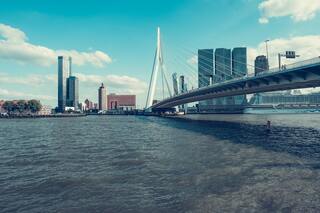
Rotterdam is a city that's a long way removed from most people's stereotypical notion of the Netherlands. There are few, if any, canals to be found here nor are...
Full descriptionNicknamed "Sommerbyen" ("Summer City"), Norway's fifth-largest city has 78,000 inhabitants. Norwegians come here for its sun-soaked beaches and beautiful harbor...
Full description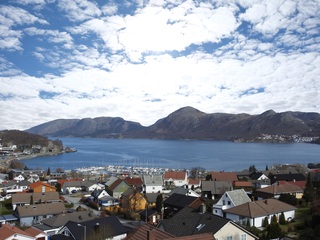
Rotterdam is a city that's a long way removed from most people's stereotypical notion of the Netherlands. There are few, if any, canals to be found here nor are...
Full description
The port of Invergordon is your gateway to the Great Glen, an area of Scotland that includes Loch Ness and the city of Inverness. Inverness, the capital of the...
Full description
Sprawling Reykjavík, the nation's nerve center and government seat, is home to half the island's population. On a bay overlooked by proud Mt. Esja (pronounced e...
Full description
Rotterdam is a city that's a long way removed from most people's stereotypical notion of the Netherlands. There are few, if any, canals to be found here nor are...
Full descriptionNicknamed "Sommerbyen" ("Summer City"), Norway's fifth-largest city has 78,000 inhabitants. Norwegians come here for its sun-soaked beaches and beautiful harbor...
Full description
Rotterdam is a city that's a long way removed from most people's stereotypical notion of the Netherlands. There are few, if any, canals to be found here nor are...
Full description
The port of Invergordon is your gateway to the Great Glen, an area of Scotland that includes Loch Ness and the city of Inverness. Inverness, the capital of the...
Full description
Sprawling Reykjavík, the nation's nerve center and government seat, is home to half the island's population. On a bay overlooked by proud Mt. Esja (pronounced e...
Full descriptionRotterdam
Rotterdam is a city that's a long way removed from most people's stereotypical notion of the Netherlands. There are few, if any, canals to be found here nor are there any quaint windmills. There is, however, a thriving modern city which is one of the busiest ports in the entire world.
Kristiansand
Nicknamed "Sommerbyen" ("Summer City"), Norway's fifth-largest city has 78,000 inhabitants. Norwegians come here for its sun-soaked beaches and beautiful harbor. Kristiansand has also become known internationally for the outdoor Quart Festival, which hosts local and international rock bands every July. According to legend, in 1641 King Christian IV marked the four corners of Kristiansand with his walking stick, and within that framework the grid of wide streets was laid down. The center of town, called the Kvadraturen, still retains the grid, even after numerous fires. In the northeast corner is Posebyen, one of northern Europe's largest collections of low, connected wooden house settlements, and there's a market here every Saturday in summer. Kristiansand's Fisketorvet (fish market) is near the south corner of the town's grid, right on the sea.
Invergordon
The port of Invergordon is your gateway to the Great Glen, an area of Scotland that includes Loch Ness and the city of Inverness. Inverness, the capital of the Highlands, has the flavor of a Lowland town, its winds blowing in a sea-salt air from the Moray Firth. The Great Glen is also home to one of the world's most famous monster myths: in 1933, during a quiet news week, the editor of a local paper decided to run a story about a strange sighting of something splashing about in Loch Ness. But there's more to look for here besides Nessie, including inland lochs, craggy and steep-sided mountains, rugged promontories, deep inlets, brilliant purple and emerald moorland, and forests filled with astonishingly varied wildlife, including mountain hares, red deer, golden eagles, and ospreys.
Reykjavík
Sprawling Reykjavík, the nation's nerve center and government seat, is home to half the island's population. On a bay overlooked by proud Mt. Esja (pronounced eh-shyuh), with its ever-changing hues, Reykjavík presents a colorful sight, its concrete houses painted in light colors and topped by vibrant red, blue, and green roofs. In contrast to the almost treeless countryside, Reykjavík has many tall, native birches, rowans, and willows, as well as imported aspen, pines, and spruces.Reykjavík's name comes from the Icelandic words for smoke, reykur, and bay, vík. In AD 874, Norseman Ingólfur Arnarson saw Iceland rising out of the misty sea and came ashore at a bay eerily shrouded with plumes of steam from nearby hot springs. Today most of the houses in Reykjavík are heated by near-boiling water from the hot springs. Natural heating avoids air pollution; there's no smoke around. You may notice, however, that the hot water brings a slight sulfur smell to the bathroom.Prices are easily on a par with other major European cities. A practical option is to purchase a Reykjavík City Card at the Tourist Information Center or at the Reykjavík Youth Hostel. This card permits unlimited bus usage and admission to any of the city's seven pools, the Family Park and Zoo, and city museums. The cards are valid for one (ISK 3,300), two (ISK 4,400), or three days (ISK 4,900), and they pay for themselves after three or four uses a day. Even lacking the City Card, paying admission (ISK 500, or ISK 250 for seniors and people with disabilities) to one of the city art museums (Hafnarhús, Kjarvalsstaðir, or Ásmundarsafn) gets you free same-day admission to the other two.
Dates & prices
Select guest
Departs
Sun 20 Aug 2028
from £3,339 pp
Enquire now Call 020 7590 0610Per person, based on two sharing, cruise only. Updated daily and confirmed when you book.