
Summary
Itinerary & Map
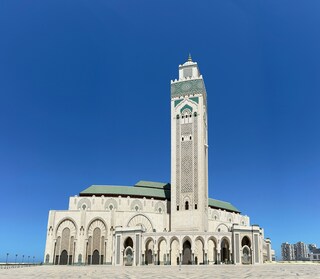
The original settlement formed on the site of Casablanca by the Berbers became the kingdom of Anfa, and during the 15th century harboured pirates who raided the...
Full description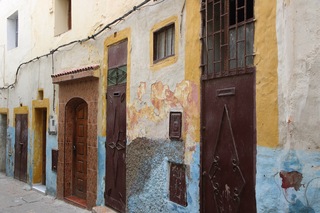
Safi’s natural harbor lies on the Atlantic in western Morocco and was once used by the Roman and the Phoenicians. By the 11th century gold, slaves and ivory wer...
Full description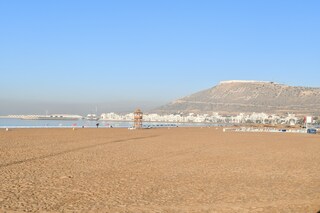
Shaped by the Atlas Mountains on one side, Agadir is framed on the other by a magnificent crescent-shaped beach. While little is known of the city’s origins, th...
Full descriptionDakhla is located at the end of a 40km narrow peninsula on the Atlantic Coast, about 340 miles south of Laayoune. The area was inhabited by Berbers from North A...
Full descriptionDakhla is located at the end of a 40km narrow peninsula on the Atlantic Coast, about 340 miles south of Laayoune. The area was inhabited by Berbers from North A...
Full description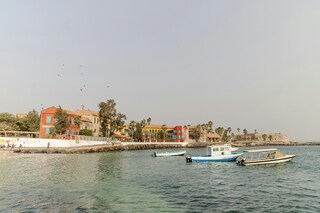
Dakar, set at the tip of the Cape Vert peninsula, is West Africa’s westernmost point and the capital of French-speaking Senegal. Although it was not founded unt...
Full description
The original settlement formed on the site of Casablanca by the Berbers became the kingdom of Anfa, and during the 15th century harboured pirates who raided the...
Full description
Safi’s natural harbor lies on the Atlantic in western Morocco and was once used by the Roman and the Phoenicians. By the 11th century gold, slaves and ivory wer...
Full description
Shaped by the Atlas Mountains on one side, Agadir is framed on the other by a magnificent crescent-shaped beach. While little is known of the city’s origins, th...
Full descriptionDakhla is located at the end of a 40km narrow peninsula on the Atlantic Coast, about 340 miles south of Laayoune. The area was inhabited by Berbers from North A...
Full descriptionDakhla is located at the end of a 40km narrow peninsula on the Atlantic Coast, about 340 miles south of Laayoune. The area was inhabited by Berbers from North A...
Full description
Dakar, set at the tip of the Cape Vert peninsula, is West Africa’s westernmost point and the capital of French-speaking Senegal. Although it was not founded unt...
Full descriptionCasablanca
The original settlement formed on the site of Casablanca by the Berbers became the kingdom of Anfa, and during the 15th century harboured pirates who raided the Portuguese coast. In retaliation for the attacks, the Portuguese destroyed Anfa and founded the town they called Casa Branca (white house). They remained here until an earthquake in 1755 and the town was subsequently rebuilt by Mohammed ben Abdallah, whose legacy of mosques and houses can still be seen in the old Medina. Casablanca acquired its present-day name when the Spanish obtained special port privileges in 1781. The French landed here in 1907, later establishing a protectorate and modelling the town on the port of Marseilles. Today Casablanca is Morocco’s largest city, its most significant port and the centre of commerce and industry. The city is a vibrant fusion of European, African and Arabian influences and its French colonial architecture and art deco buildings seamlessly blend in with the busy, colourful markets. Please note that vendors in the souks can be very persistent and eager to make a sale.
Safi
Safi’s natural harbor lies on the Atlantic in western Morocco and was once used by the Roman and the Phoenicians. By the 11th century gold, slaves and ivory were the hot commodities being traded between Marrakesh and Guinea. Evolving through the ages to cater to the popular trade of the day, the major industry here today is fishing connected to the country's sardine industry, but there is also an economy based on exported phosphates, textiles and ceramics. The city was overseen by the Portuguese Empire in the 1500s, and a fortress built to safeguard the city by these Portuguese influences still stands today. Safi sits near the foothills of the snow-capped Atlas Mountains where Bedouins once camped.
Agadir
Shaped by the Atlas Mountains on one side, Agadir is framed on the other by a magnificent crescent-shaped beach. While little is known of the city’s origins, the Portuguese created a fortress here at the end of the 15th century, naming it Santa Cruz de Ghir. Freed from Portugal’s occupation by the Saadians in 1540, Agadir grew into a colourful and prosperous port and became newsworthy in 1911 when a German gunboat, the Panther, sailed into the bay as a protest against the division of North Africa between the Spanish and French. Morocco gained independence from the French in 1956, an event which was closely followed in Agadir by the tragic earthquake of 1960. The city, which has been rebuilt to represent the ‘new nation’, is blessed by fine sandy beaches overlooked by luxurious hotels and a great selection of cafés and restaurants. Please note that vendors in the souks can be very persistent and eager to make a sale.
Dakhla
Dakhla is located at the end of a 40km narrow peninsula on the Atlantic Coast, about 340 miles south of Laayoune. The area was inhabited by Berbers from North Africa since ancient times, but it was Spanish settlers who founded Dakhla in 1884, during the expansion of their empire. The region was especially important not only because of the rich offshore fishing (e.g. cod), but also because of the abundant seals and whales available for hunting. Despite over harvesting that has resulted in severe depletion of the wildlife, Dakhali is still a major fishing port. However, the town has recently become a centre for aquatic sports, such as kitesurfing, windsurfing and surf casting, and becoming a growing tourism destination.
Dakar
Dakar, set at the tip of the Cape Vert peninsula, is West Africa’s westernmost point and the capital of French-speaking Senegal. Although it was not founded until 1857, it is West Africa’s oldest European city and one of the most westernised. The opening of the Dakar-St Louis railway in 1885 put the town on the map; it subsequently became a French naval base and in 1904, the capital of Afrique Occidentale Française. It bears the legacy of Africa’s French colonial past, especially so in the downtown Plateau area, where the architecture is redolent of southern France. Every inch a modern city, Dakar is a frenetic buzz of activity, which can be startling. Perhaps sample the popular mint tea and try your hand at bartering in the colourful craft markets for traditional embroidery, woodcarvings, metalwork and costume jewellery.
Date & price
Select guest
Departs
Wed 15 Sep 2027
from £4,350 pp
Enquire now Call 020 7590 0610Per person, based on two sharing, cruise only. Updated daily and confirmed when you book.