
Summary
Itinerary & Map
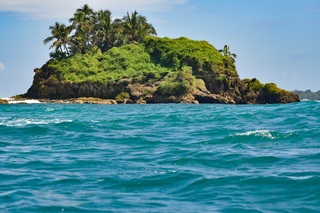
The provincial capital of Colón, beside the canal's Atlantic entrance, is named for the Spanish-language surname of Christopher Columbus, though the Americans c...
Full description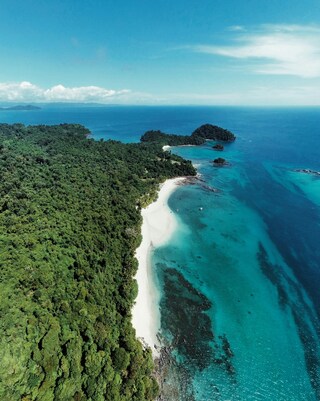
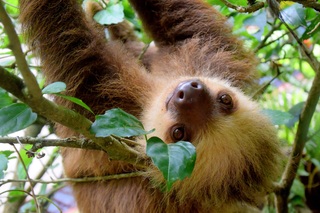
Quepos allows tourists to experience a once in a lifetime nature experience in Manuel Antonio National Park without leaving any of the familiar amenities behind...
Full description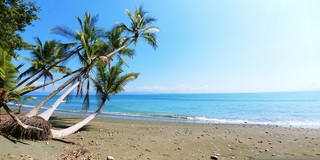
Named after its turtle-shaped volcanic rock formations, Isla Tortuga is a small island set just off the tip of Nicoya Peninsula’s southern coast. The island off...
Full description
The provincial capital of Colón, beside the canal's Atlantic entrance, is named for the Spanish-language surname of Christopher Columbus, though the Americans c...
Full description
Quepos allows tourists to experience a once in a lifetime nature experience in Manuel Antonio National Park without leaving any of the familiar amenities behind...
Full description
Named after its turtle-shaped volcanic rock formations, Isla Tortuga is a small island set just off the tip of Nicoya Peninsula’s southern coast. The island off...
Full description
Colón
The provincial capital of Colón, beside the canal's Atlantic entrance, is named for the Spanish-language surname of Christopher Columbus, though the Americans called it Aspinwall in the 19th century.. The city was founded in 1850 by Americans working on the Panama railroad and named Aspinwall for one of the railway engineers. Following completion in 1855, Colon gained in importance, which was furthered by the plans for an isthmian canal. During the time of the French canal attempt, a fire in 1885 burned the city nearly to the ground and left thousands of people homeless. Colon was rebuilt in the architectural style then popular in France. Buildings from that era plus the ones constructed by Americans between 1904 and 1914 are still in use today, although the majority is on the verge of collapse. In addition to its importance as a port, Colon boasts the world’s second largest duty-free zone, known as Zona Libre, which is contained in a huge fortress like, walled-off area with giant international stores. However, most of the merchandise is sold in bulk to commercial businesses throughout the country.
Quepos (Puerto Quepos)
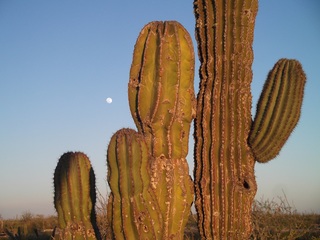
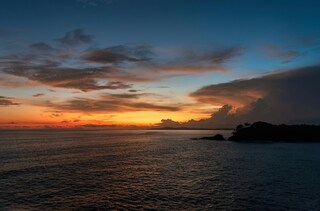
Quepos allows tourists to experience a once in a lifetime nature experience in Manuel Antonio National Park without leaving any of the familiar amenities behind. The close proximity of the park, located just 4.3 miles (7 km) to the south, and a wide array of services makes Quepos the perfect place to visit for those who wish to explore this enchanting area. The amenities available include everything from banks, restaurants, hotels, gift shops, bakeries, bars, a hospital, supermarket and even a post office. The area was once dependent on banana plantations which used to line the surrounding area. After disease infiltrated the harvest, interest transferred to African Palms as the prominent crop. Now, tourism has deemed itself the major economic factor, contributing to just about everything in the area. Quepos lures in many tourists for its fantastic sport fishing. In fact, some have come solely to participate in this world class experience and have never left, but besides sport fishing, many other activities are available. Exploring this maze of wetlands by boat is amazing but not the only way to see crocodiles, monkeys, herons, raccoons and more. This small paradise has the perfect balance between nature and the comfort and facilities someone might need.
Tortuga Island
Named after its turtle-shaped volcanic rock formations, Isla Tortuga is a small island set just off the tip of Nicoya Peninsula’s southern coast. The island offers a unique combination of white pristine beaches, palm trees, red volcanic rocks, verdant jungles and sparkling crystals that line the shores. Sunlight reaches right through the crystal clear waters at Isla Tortuga, making it a sought-after destination for snorkelers and scuba divers. Just east of the island is the Curu Wildlife Refuge offers some of the region’s best wildlife watching, including sightings of capuchin and howler monkeys, river otters, and deer on the ground, and a diverse ecology of underwater wildlife that can be accessed via snorkeling. Most commonly seen species are mantarays, reef sharks, octupus, stingrays, angle fish and spinner dolphins.
Date & price
Prices from
Departs
Thu 20 Jan 2028
from £3,615 pp
Enquire now Call 020 7590 0610Per person, based on two sharing, cruise only. Updated daily and confirmed when you book.