
Summary
Itinerary & Map
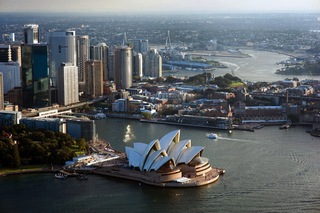
Sydney, capital of New South Wales and one of Australia's largest cities, is best known for its harbourfront Sydney Opera House, with a distinctive sail-like de...
Full description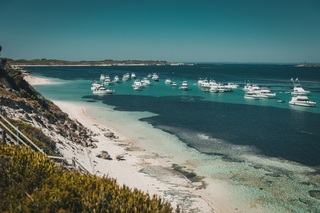

Straddling the Derwent River at the foot of Mt. Wellington's forested slopes, Hobart was founded as a penal settlement in 1803. It's the second-oldest city in t...
Full description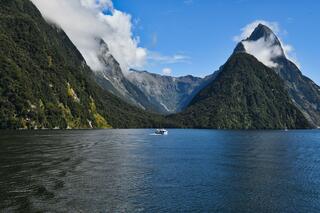
New Zealand fiord country along with Fiordland National Park is one of New Zealand's premier attractions. Incredibly beautiful, wild and remote, the region is a...
Full description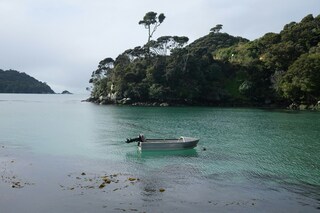
Stewart Island is home to New Zealand's newest national park, Rakiura National Park. The third and most southerly of New Zealand's main islands, Stewart Island...
Full description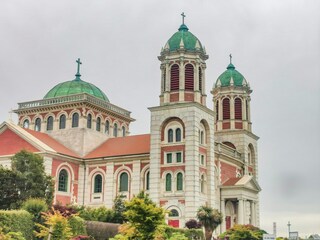
Situated almost equidistant between Christchurch and Dunedin, Timaru has oft been overlooked by those just needing to get from one city to another but more fool...
Full description
European whaling ships first called at Otago Province during the early decades of the 1800s, yielding a mixed response from the native Māori. In 1848 Dunedin wa...
Full description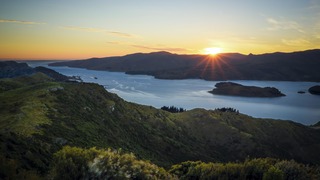
Your initial impression of Christchurch will likely be one of a genteel, green city. Joggers loop through shady Hagley Park, and punters ply the narrow Avon Riv...
Full description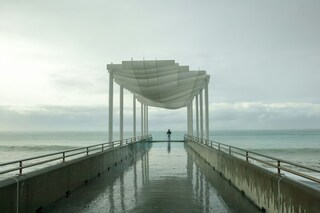
The earthquake that struck Napier at 10:46 am on February 3, 1931, was—at 7.8 on the Richter scale—the largest quake ever recorded in New Zealand. The coastline...
Full description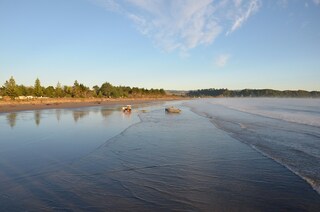
With a population of around 35,000 and located on the north island, Gisborne exudes history at every turn. Maori for “Great standing place of Kiwa”, Kiwa was a...
Full description
The population center of the Bay of Plenty, Tauranga is one of New Zealand's fastest-growing cities. Along with its neighbor, Whakatane, this seaside city claim...
Full description
Sydney, capital of New South Wales and one of Australia's largest cities, is best known for its harbourfront Sydney Opera House, with a distinctive sail-like de...
Full description
Straddling the Derwent River at the foot of Mt. Wellington's forested slopes, Hobart was founded as a penal settlement in 1803. It's the second-oldest city in t...
Full description
New Zealand fiord country along with Fiordland National Park is one of New Zealand's premier attractions. Incredibly beautiful, wild and remote, the region is a...
Full description
Stewart Island is home to New Zealand's newest national park, Rakiura National Park. The third and most southerly of New Zealand's main islands, Stewart Island...
Full description
Situated almost equidistant between Christchurch and Dunedin, Timaru has oft been overlooked by those just needing to get from one city to another but more fool...
Full description
European whaling ships first called at Otago Province during the early decades of the 1800s, yielding a mixed response from the native Māori. In 1848 Dunedin wa...
Full description
Your initial impression of Christchurch will likely be one of a genteel, green city. Joggers loop through shady Hagley Park, and punters ply the narrow Avon Riv...
Full description
The earthquake that struck Napier at 10:46 am on February 3, 1931, was—at 7.8 on the Richter scale—the largest quake ever recorded in New Zealand. The coastline...
Full description
With a population of around 35,000 and located on the north island, Gisborne exudes history at every turn. Maori for “Great standing place of Kiwa”, Kiwa was a...
Full description
The population center of the Bay of Plenty, Tauranga is one of New Zealand's fastest-growing cities. Along with its neighbor, Whakatane, this seaside city claim...
Full description
Sydney, New South Wales
Sydney, capital of New South Wales and one of Australia's largest cities, is best known for its harbourfront Sydney Opera House, with a distinctive sail-like design. Massive Darling Harbour and the smaller Circular Quay port are hubs of waterside life, with the arched Harbour Bridge and esteemed Royal Botanic Garden nearby. Sydney Tower’s outdoor platform, the Skywalk, offers 360-degree views of the city and suburbs.
Hobart, Tasmania
Straddling the Derwent River at the foot of Mt. Wellington's forested slopes, Hobart was founded as a penal settlement in 1803. It's the second-oldest city in the country after Sydney, and it certainly rivals its mainland counterpart as Australia's most beautiful state capital. Close-set colonial brick-and-sandstone shops and homes line the narrow, quiet streets, creating a genteel setting for this historic city of 215,000. Life revolves around the broad Derwent River port, one of the deepest harbors in the world. Here warehouses that once stored Hobart's major exports of fruit, wool, and corn and products from the city's former whaling fleet still stand alongside the wharf today.Hobart sparkles between Christmas and New Year's—summer Down Under—during the annual Sydney-to-Hobart yacht race. The event dominates conversations among Hobart's citizens, who descend on Constitution Dock to welcome the yachts and join in the boisterous festivities of the crews. The New Year also coincides with the Tastes of Tasmania Festival, when the dockside area comes alive with the best of Tasmanian food and wine on offer in numerous cafés, bars, and waterfront stalls. Otherwise, Hobart is a placid city whose nightlife is largely confined to excellent restaurants, jazz clubs, and the action at the Wrest Point Casino in Sandy Bay.The Hobart Tasmanian Travel and Information Centre hours are weekdays 8:30–5:30 and Saturday 9–5.
Milford Sound and Cruising Doubtful Sound
New Zealand fiord country along with Fiordland National Park is one of New Zealand's premier attractions. Incredibly beautiful, wild and remote, the region is an intriguing combination of rugged mountain ranges, dense rainforest, solitary alpine lakes, sparkling rivers and splashing waterfalls. Much of Fiordland is virtually unexplored wilderness and still the habitat of rare birds. As the ship cruises the beautiful Doubtful, Dusky and Milford Sounds, experience the majestic fiordland of South Island's western coast. Captain James Cook sailed along this coast in 1770 and again in 1773, when he anchored at Dusky Sound for a rest and ship repair. Doubtful Sound is one of the region's most majestic fiords. It is ten times larger than Milford Sound. As the ship cruises into Hall Arm, gaze at vertical cliffs and mighty waterfalls plunging over sheer rock faces. In fine weather, mountains and greenery are reflected in the protected waters of the fiord. Farther north lies Milford Sound. Far from any populated area, Milford Sound is famous for its grandeur and spectacular beauty. It is perhaps the best example of New Zealand's renowned classic landscape of steep granite peaks framing glacier-carved inlets with mirrored reflections on dark waters. Dominating the scene is Milford's landmark, the triangular pinnacle of Mitre Peak. Along the sheer cliffs, several waterfalls tumble more than 500 feet (154 metres) into the sheltered Sound. Only a few moored boats and a scattering of buildings at the head of the Sound break the unity of mountains, forest and water. This spectacular beauty and unspoiled setting is yours to enjoy as the ship cruises Milford Sound.
Oban, Stewart Island
Stewart Island is home to New Zealand's newest national park, Rakiura National Park. The third and most southerly of New Zealand's main islands, Stewart Island is separated from the South Island by the 24-km (15-miles) Foveaux Strait. Its original Māori name, Te Punga O Te Waka a Maui, means "the anchor stone of Maui's canoe." Māori mythology says the island's landmass held the god Maui's canoe secure while he and his crew raised the great fish—the North Island. Today the island is more commonly referred to by its other Māori name, Rakiura, which means "the land of the glowing skies." This refers to the spectacular sunrises and sunsets and to the southern lights, or aurora australis. The European name of Stewart Island dates back to 1809. It memorializes an officer William W. Stewart on an early sealing vessel, the Pegasus, who was the first to chart the island. The island covers some 1,700 square km (650 square miles). It measures about 75 km (46 miles) from north to south and about the same distance across at its widest point. On the coastline, sharp cliffs rise from a succession of sheltered bays and beaches. In the interior, forested hills rise gradually toward the west side of the island. Seals and penguins frequent the coast, and the island's prolific birdlife includes a number of species rarely seen in any other part of the country. In fact, this is the surest place to see a kiwi. The Stewart Island brown kiwi, or tokoeka, is the largest species of this kind of bird. Unlike their mainland cousins, these kiwis can be seen during the day as well as at night. It's a rare and amusing experience to watch these pear-shape birds scampering on a remote beach as they feed on sand hoppers and grubs. Māori have visited Stewart Island for centuries. Archaeologists' studies of 13th-century Māori middens (refuse heaps) indicate that the island was once a rich, seasonal resource for hunting, fishing, and gathering seafood. A commonly eaten delicacy at that time, the titi, also known as the muttonbird, still occasionally appears on menus. In the early 19th century, explorers, sealers, missionaries, and miners settled the island. They were followed by fishermen and sawmillers who established settlements around the edges of Paterson Inlet and Halfmoon and Horseshoe bays. In the 1920s Norwegians set up a whaling enterprise, and many descendants of these seafaring people remain. Fishing, aquaculture, and tourism are now the mainstays of the island's economy. Even by New Zealand standards, Stewart Island is remote, raw, and untouched. The appeal is its seclusion, its relaxed way of life, and its untouched quality. Stewart Island is not for everyone: if you must have shopping malls, casinos, or umbrella drinks on the beach, don't come here. Visitors should be prepared for the fact that Stewart Island can be chilly, windy, and rainy, even in the middle of summer.
Timaru
Situated almost equidistant between Christchurch and Dunedin, Timaru has oft been overlooked by those just needing to get from one city to another but more fool them! The town’s name comes from the Māori name Te Maru, meaning ‘place of shelter’ and the pretty town reveals not only stunning Middle Earth landscape and views to write home about, but an intact Victorian / Edwardian shopping precinct with many of the building being built in local volcanic bluestone. Understandably, beach life is very important here and the long ribbons of white sandy beaches and clean seas are perfect for a swimming, sunning and spoiling yourself! Voted one of New Zealand’s top 10 most loved beaches, Caroline Bay is simply a treasure. Built on the rolling hills created from the lava flows of the extinct Mt Horrible volcano, Timaru is a melting pot of culture, history, adventure and dramatic scenery. Art lovers too will not be left wanting as the city’s art gallery holds the third largest public art collection in the South Island. Walking enthusiasts will not want to miss one of the many walks along the coast or rivers that vary from short paved paths – ideal for pushchairs and wheelchairs to longer, more strenuous hikes. Well signposted and maintained, these tracks are especially beautiful in the autumn when the leaves are turning colour. And do not forget to be on the lookout for penguins, which will happily waddle alongside you some of the way!
Port Chalmers
European whaling ships first called at Otago Province during the early decades of the 1800s, yielding a mixed response from the native Māori. In 1848 Dunedin was settled, and by the mid-1860s the city was the economic hub of the Otago gold rush. Dunedin's historical wealth endures in such institutions as the University of Otago, the oldest in the country. But if any region can bring out the bird-watcher in you, this is it; the area is home to the Royal Albatross and yellow-eyed penguins.
Lyttelton
Your initial impression of Christchurch will likely be one of a genteel, green city. Joggers loop through shady Hagley Park, and punters ply the narrow Avon River, which bubbles between banks lined with willows and oaks. With a population approaching 350,000, Christchurch is the largest South Island city, and the second-largest in the country. It is also the forward supply depot for the main U.S. Antarctic base at McMurdo Sound. The face of Christchurch is changing rapidly, fueled by both internal and international immigration. The Māori community, although still below the national average in size, is growing. Ngai Tahu, the main South Island Māori tribe, settled Treaty of Waitangi claims in 1997 and have been investing in tourism ventures. Old wooden bungalows are making way for town houses, the arts scene is flourishing, and the city's university attracts cutting-edge technology companies. In short, there's plenty of fresh energy percolating underneath the English veneer.
Napier
The earthquake that struck Napier at 10:46 am on February 3, 1931, was—at 7.8 on the Richter scale—the largest quake ever recorded in New Zealand. The coastline was wrenched upward several feet. Almost all the town's brick buildings collapsed; many people were killed on the footpaths as they rushed outside. The quake triggered fires throughout town, and with water mains shattered, little could be done to stop the blazes that devoured the remaining wooden structures. Only a few buildings survived (the Public Service Building with its neoclassical pillars is one), and the death toll was well over 100.The surviving townspeople set up tents and cookhouses in Nelson Park, and then tackled the city's reconstruction at a remarkable pace. In the rush to rebuild, Napier went mad for art deco, the bold, geometric style that had burst on the global design scene in 1925. Now a walk through the art deco district, concentrated between Emerson, Herschell, Dalton, and Browning streets, is a stylistic immersion. The decorative elements are often above the ground floors, so keep your eyes up.
Gisborne
With a population of around 35,000 and located on the north island, Gisborne exudes history at every turn. Maori for “Great standing place of Kiwa”, Kiwa was a leading figure aboard the Maori ancestral canoe, Takitimu, which ran aground in Gisborne around 1450 AD. After landing, Kiwa became a coastal guardian, eventually marrying Parawhenuamea, the keeper of the streams. The union point of three rivers and the first place to see the sun, the city is filled with light and laugher and gracefully squeezes surfer’s beaches with the district’s colonial past. Captain Cook made his first landfall here, John Harris set up his first trading station in the then village and today, Gisborn is the major centre of Maori cultural life.Suffice to say then that the city is a watery wonderland. With its picture perfect beaches, what savvy traveller does not want to add being among the first people in the world to say they have watched the sky change colour as the sun bursts from out of the sea. A place of nature, spectacular beach cliff views are all just part and parcel of everyday life here, and easy walks from the centre of town to the Titirangi Reserve will award you with yet more unbelievable 180˚ vistas from Poverty Bay to Gisborne City; stretch your eyes with the panorama, while stretching your legs on one of the many enjoyable walks.A perfect place to stroll, amble and wander, like much of New Zealand Gisborne keeps a healthy respect for history and nature and enjoys a very laid back feel.
Tauranga
The population center of the Bay of Plenty, Tauranga is one of New Zealand's fastest-growing cities. Along with its neighbor, Whakatane, this seaside city claims to be one of the country's sunniest towns. Unlike most local towns, Tauranga doesn't grind to a halt in the off-season, because it has one of the busiest ports in the country, and the excellent waves at the neighboring beach resort of Mount Maunganui—just across Tauranga's harbor bridge—always draw surfers and holiday folk.
Auckland
Date & price
Select guest
Departs
Tue 21 Dec 2027
from £8,950 pp
Enquire now Call 020 7590 0610Per person, based on two sharing, cruise only. Updated daily and confirmed when you book.