
Summary
Itinerary & Map
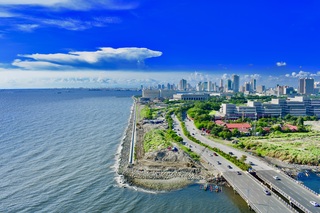
MANILA, the capital city of the Philippines, was founded in, 1571 by Spanish conquistador Miguel López de Legazpi. It is one of the oldest cities in the country...
Full description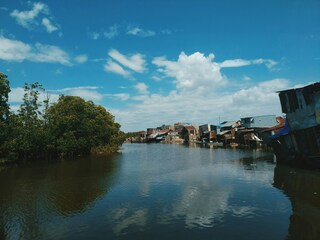
Bitung, located on the northern coast of Sulawesi, Indonesia, is a vibrant city renowned for its natural beauty and marine attractions. Serving as a gateway to...
Full descriptionOn the approach to Pulau Komodo, a tiny island just 36 km (22 miles) long and 16 km (9 miles) across at its widest point, it's hard to imagine that this is the...
Full descriptionWelcome to paradise. The 27 islands that comprise Karimunjawa, which sit in the sparkling turquoise expanse of the Java Sea, are true jewels - offering beaches...
Full descriptionThe island of Belitung is large, measuring roughly 4,800 square kilometer (1850 square miles). Along with neighbouring Bangka and the many other surrounding sma...
Full description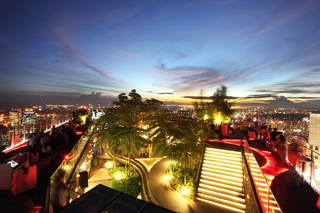
The main island of Singapore is shaped like a flattened diamond, 42 km (26 miles) east to west and 23 km (14 miles) north to south. Near the northern peak is th...
Full description
MANILA, the capital city of the Philippines, was founded in, 1571 by Spanish conquistador Miguel López de Legazpi. It is one of the oldest cities in the country...
Full description
Bitung, located on the northern coast of Sulawesi, Indonesia, is a vibrant city renowned for its natural beauty and marine attractions. Serving as a gateway to...
Full descriptionOn the approach to Pulau Komodo, a tiny island just 36 km (22 miles) long and 16 km (9 miles) across at its widest point, it's hard to imagine that this is the...
Full descriptionWelcome to paradise. The 27 islands that comprise Karimunjawa, which sit in the sparkling turquoise expanse of the Java Sea, are true jewels - offering beaches...
Full descriptionThe island of Belitung is large, measuring roughly 4,800 square kilometer (1850 square miles). Along with neighbouring Bangka and the many other surrounding sma...
Full description
The main island of Singapore is shaped like a flattened diamond, 42 km (26 miles) east to west and 23 km (14 miles) north to south. Near the northern peak is th...
Full descriptionManila
MANILA, the capital city of the Philippines, was founded in, 1571 by Spanish conquistador Miguel López de Legazpi. It is one of the oldest cities in the country and was the seat of power for most of the colonial rules of the Philippines. It is situated on the eastern shore of Manila Bay and contains a multitude of landmarks, some of which date back to the 16th century. It is home to the baroque 16th-century San Agustin Church as well as Fort Santiago, a storied citadel and military prison. In the 19th century Manila became one of the most modern cities in Asia. Before the Spanish–American War, Manila saw the rise of the Philippine Revolution. Under the American rule following the Spanish-American War, the United States changed the official language from Spanish to English. Towards the end of World War II, during the Battle of Manila, most of the city was flattened by intensive aerial bombardment. Today, tourism is a vital industry in Manila. Major shopping malls and bazaars thrive around Manila.
Bitung, Sulawesi
Komba Island and Komodo Island
On the approach to Pulau Komodo, a tiny island just 36 km (22 miles) long and 16 km (9 miles) across at its widest point, it's hard to imagine that this is the home of the fearsome dragons described by late-19th-century explorers. The island, in the Indonesian region of Nusa Tenggara, lies between the islands of Sumbawa and Flores at the heart of the Komodo National Park, designated a UNESCO World Heritage Site and one of the New7Wonders of Nature. At first look, steep hillsides of parched, golden grasses slide down into topaz bays covered in glass-clear waters, and white-sand beaches hem quiet shorelines. But then you remember that this innocent-looking island is inhabited by 13-foot-long, 220-pound ora, as Komodo dragons are known locally. Don't be frightened: Although stories of people disappearing run rampant, a trip here is quite safe—as long as you stay with a park guide.While Komodo dragons are the main attraction, several other large species also reside here. Dark-brown deer and small buffalo nibble the grasses of the high plains, macaques peer through the trees, and wild pigs crash through the underbrush. More than 150 types of birds also inhabit the island, including cockatoos, imperial pigeons, sea eagles, and mound-building megapodes. Offshore in the marine reserve, you might spot dolphins, dugong (a relative of the manatee), sea turtles, manta rays, and even whales, as well as more than 1,000 species of fish.Lodging on Pulau Komodo was nonexistent until 2012, when a modest, eco-friendly resort and diving club opened, providing a rare opportunity for scuba divers and snorkelers to explore this pristine habitat's extensive coral reefs and extraordinary marine life. Travelers can also find comfortable lodging and a convenient base from which to explore the many natural wonders of the Komodo National Park in Labuan Bajo, on the island of Flores (East Nusa Tenggara).
Karimunjava Archipelago
Welcome to paradise. The 27 islands that comprise Karimunjawa, which sit in the sparkling turquoise expanse of the Java Sea, are true jewels - offering beaches of crisp white sand, and bath-like temperatures for swimming. With diverse marine life, extraordinary shelves of shallow water, and blooming coral reefs, there's an endless supply of wonderful beach scenery to make the most of. Take your front row seats for the sun's nightly descent, when rich pinks and vivid reds spill across the sky. Karimunjawa island is the largest of the archipelago, and you can explore on foot, or by renting a car, motorbike or bicycle. Work your way around - or through - the island's thick jungle, seeking out the wonderful, untouched beaches that are hidden across it. Only seven of the islands are inhabited, and the natural world is still very much in charge here. Encounter everything from sea turtles scraping themselves across the beach, to harmless sharks, which will circle around your legs before darting away.
Belitung Island
The island of Belitung is large, measuring roughly 4,800 square kilometer (1850 square miles). Along with neighbouring Bangka and the many other surrounding small islands this is not just an archipelago, but a substantial province of Indonesia. Belitung used to have many tin mines, but today the island is better known for its nature. The most distinct features of Belitung’s many beaches are the fascinating granite rock formations along the shallow shores. These rocks can reach the size of houses and lie in bold contrast to the white sand. Swimming and snorkeling in the crystal clear waters reveals healthy corals and hundreds of fish.
Singapore
The main island of Singapore is shaped like a flattened diamond, 42 km (26 miles) east to west and 23 km (14 miles) north to south. Near the northern peak is the causeway leading to West Malaysia—Kuala Lumpur is less than four hours away by car. It is at the southern foot where you will find most of the city-state’s action, with its gleaming office towers, working docks, and futuristic "supertrees," which are solar-powered and serve as vertical gardens. Offshore are Sentosa and over 60 smaller islands, most uninhabited, that serve as bases for oil refining or as playgrounds and beach escapes from the city. To the east is Changi International Airport, connected to the city by metro, bus, and a tree-lined parkway. Of the island's total land area, more than half is built up, with the balance made up of parkland, farmland, plantations, swamp areas, and rain forest. Well-paved roads connect all parts of the island, and Singapore city has an excellent, and constantly expanding, public transportation system. The heart of Singapore's history and its modern wealth are in and around the Central Business District. The area includes the skyscrapers in the Central Business District, the 19th-century Raffles Hotel, the convention centers of Marina Square, on up to the top of Ft. Canning. Although most of old Singapore has been knocked down to make way for the modern city, most colonial landmarks have been preserved in the CBD, including early-19th-century buildings designed by the Irish architect George Coleman.
Date & price
Select guest
Departs
Sun 7 May 2028
from £12,850 pp
Enquire now Call 020 7590 0610Per person, based on two sharing, cruise only. Updated daily and confirmed when you book.