
Summary
Itinerary & Map
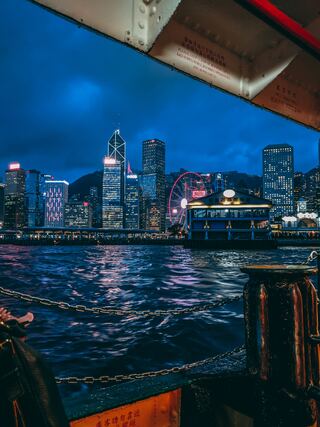
The Hong Kong Island skyline, with its ever-growing number of skyscrapers, speaks to ambition and money. Paris, London, even New York were centuries in the maki...
Full description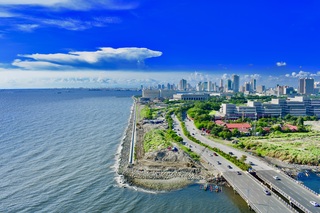
MANILA, the capital city of the Philippines, was founded in, 1571 by Spanish conquistador Miguel López de Legazpi. It is one of the oldest cities in the country...
Full description
MANILA, the capital city of the Philippines, was founded in, 1571 by Spanish conquistador Miguel López de Legazpi. It is one of the oldest cities in the country...
Full description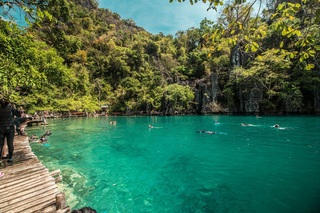
Spoken of with awed reverence in scuba-diving circles, Coron's dramatic rock protrusions, which jut from emerald seas and glorious sweeps of sand, make it a des...
Full description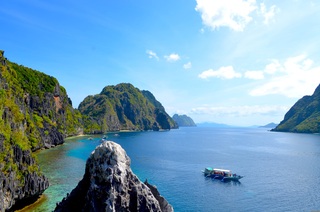
The Spanish arrived at this beautiful corner of the world in March of 1872, founding the city, that would eventually become the Capital of Palawan. In 2011, the...
Full description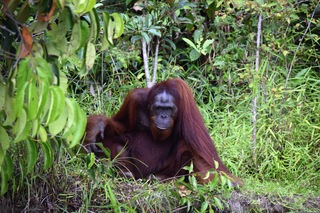
Borneo's forbidding interior made it less attractive to early traders and explorers than neighboring areas, so what is now the state of Sabah remained unexploit...
Full description
Borneo's forbidding interior made it less attractive to early traders and explorers than neighboring areas, so what is now the state of Sabah remained unexploit...
Full descriptionOn the approach to Pulau Komodo, a tiny island just 36 km (22 miles) long and 16 km (9 miles) across at its widest point, it's hard to imagine that this is the...
Full description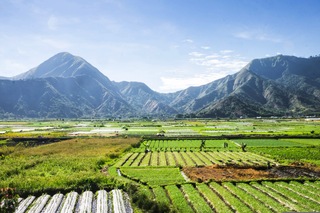
Bali really is as alluring as everyone says. This island, slightly bigger than Delaware, has it all: beaches, volcanoes, terraced rice fields, forests, renowned...
Full description
The Hong Kong Island skyline, with its ever-growing number of skyscrapers, speaks to ambition and money. Paris, London, even New York were centuries in the maki...
Full description
MANILA, the capital city of the Philippines, was founded in, 1571 by Spanish conquistador Miguel López de Legazpi. It is one of the oldest cities in the country...
Full description
MANILA, the capital city of the Philippines, was founded in, 1571 by Spanish conquistador Miguel López de Legazpi. It is one of the oldest cities in the country...
Full description
Spoken of with awed reverence in scuba-diving circles, Coron's dramatic rock protrusions, which jut from emerald seas and glorious sweeps of sand, make it a des...
Full description
The Spanish arrived at this beautiful corner of the world in March of 1872, founding the city, that would eventually become the Capital of Palawan. In 2011, the...
Full description
Borneo's forbidding interior made it less attractive to early traders and explorers than neighboring areas, so what is now the state of Sabah remained unexploit...
Full description
Borneo's forbidding interior made it less attractive to early traders and explorers than neighboring areas, so what is now the state of Sabah remained unexploit...
Full descriptionOn the approach to Pulau Komodo, a tiny island just 36 km (22 miles) long and 16 km (9 miles) across at its widest point, it's hard to imagine that this is the...
Full description
Bali really is as alluring as everyone says. This island, slightly bigger than Delaware, has it all: beaches, volcanoes, terraced rice fields, forests, renowned...
Full descriptionHong Kong
The Hong Kong Island skyline, with its ever-growing number of skyscrapers, speaks to ambition and money. Paris, London, even New York were centuries in the making, while Hong Kong's towers, bright lights, and glitzy shopping emporia weren't yet part of the urban scene when many of the young investment bankers who fuel one of the world's leading financial centers were born. Commerce is concentrated in the glittering high-rises of Central, tucked between Victoria Harbor and forested peaks on Hong Kong Island's north shore. While it's easy to think all the bright lights are the sum of today's Hong Kong, you need only walk or board a tram for the short jaunt west into Western to discover a side of Hong Kong that is more traditionally Chinese but no less high-energy. You'll discover the real Hong Kong to the east of Central, too, in Wan Chai, Causeway Bay, and beyond. Amid the residential towers are restaurants, shopping malls, bars, convention centers, a nice smattering of museums, and—depending on fate and the horse you wager on—one of Hong Kong's luckiest or unluckiest spots, the Happy Valley Racecourse. Kowloon sprawls across a generous swath of the Chinese mainland across Victoria Harbour from Central. Tsim Sha Tsui, at the tip of Kowloon peninsula, is packed with glitzy shops, first-rate museums, and eye-popping views of the skyline across the water. Just to the north are the teeming market streets of Mong Kok and in the dense residential neighborhoods beyond, two of Hong Kong's most enchanting spiritual sights, Wong Tai Sin Temple and Chi Lin Nunnery. As you navigate this huge metropolis (easy to do on the excellent transportation network), keep in mind that streets are usually numbered odd on one side, even on the other. There's no baseline for street numbers and no block-based numbering system, but street signs indicate building numbers for any given block.
Manila
MANILA, the capital city of the Philippines, was founded in, 1571 by Spanish conquistador Miguel López de Legazpi. It is one of the oldest cities in the country and was the seat of power for most of the colonial rules of the Philippines. It is situated on the eastern shore of Manila Bay and contains a multitude of landmarks, some of which date back to the 16th century. It is home to the baroque 16th-century San Agustin Church as well as Fort Santiago, a storied citadel and military prison. In the 19th century Manila became one of the most modern cities in Asia. Before the Spanish–American War, Manila saw the rise of the Philippine Revolution. Under the American rule following the Spanish-American War, the United States changed the official language from Spanish to English. Towards the end of World War II, during the Battle of Manila, most of the city was flattened by intensive aerial bombardment. Today, tourism is a vital industry in Manila. Major shopping malls and bazaars thrive around Manila.
Coron Island
Spoken of with awed reverence in scuba-diving circles, Coron's dramatic rock protrusions, which jut from emerald seas and glorious sweeps of sand, make it a destination that you can't help but dive into. The perfect base for an adventure holiday, Coron's exquisite setting means you'll face taxing choices on a daily basis - to spend the day relaxing on the soft sand, or to pound through the jungle on horseback? Whether you choose relaxation or all-out-action, you're sure to fall head over heels for Coron's beauty.
Puerto Princesa, Palawan
The Spanish arrived at this beautiful corner of the world in March of 1872, founding the city, that would eventually become the Capital of Palawan. In 2011, the area received a huge boost, when New7 announced its list of the 7 Wonders of Nature – counting 500 million votes in the process. Puerto Princesa’s stunning underground river - complete with a cavernous, sunken lagoon - beat off wonderful sites like the Great Barrier Reef, to claim a spot on the final, prestigious list. Set sail across the glowing green water, on a journey into the gaping mouth of the limestone caves at Puerto Princesa. Known for being one of the least densely populated, cleanest and most environmentally friendly cities in the Philippines, there’s a raft of natural wonders to explore - from diving hotspots to towering limestone cliffs, and the entrancing underworld of the underground river.
Sandakan, Sabah
Borneo's forbidding interior made it less attractive to early traders and explorers than neighboring areas, so what is now the state of Sabah remained unexploited by the British until the late 19th century, although traders long visited for exotic items such as bird's nests (for the celebrated Chinese soup). In 1963, Sabah joined Sarawak, Malaya, and Singapore (which later seceded) in forming the Federation of Malaysia. Known as the "Land Below the Wind" because it's south of the typhoon belt, Sabah occupies Borneo's northern tip. It shares its southwestern border with Sarawak and the rest of its southern border with the Indonesian province of East Kalimantan. Today vast tracts of forest have been replaced by oil-palm plantations, and a sizable portion of remaining forest land is protected in national parks or conservation areas.On the shore of a deep bay, Sandakan was the capital of British North Borneo and one of the most important towns in Southeast Asia from the 1880s through the 1930s. But Japanese occupation during World War II and allied bombing virtually destroyed the town, and the capital was transferred to Jesselton (now Kota Kinabalu) in 1946. Sandakan enjoyed a revival in the 1970s as the center of the region's logging industry. Logging has since declined, but Sandakan is still worth visiting for its rich history and proximity to some of Borneo's most accessible wildlife attractions. Sandakan's downtown, much of it built on landfill, is squeezed between a steep promontory and Sandakan Bay. In recent years, this city of 450,000 (counting its extensive suburbs) has begun redeveloping its downtown waterfront into a shopping and nightlife hub. Its working harbor area for passengers and cargo is 6 km (4 miles) west of downtown.
Komba Island
On the approach to Pulau Komodo, a tiny island just 36 km (22 miles) long and 16 km (9 miles) across at its widest point, it's hard to imagine that this is the home of the fearsome dragons described by late-19th-century explorers. The island, in the Indonesian region of Nusa Tenggara, lies between the islands of Sumbawa and Flores at the heart of the Komodo National Park, designated a UNESCO World Heritage Site and one of the New7Wonders of Nature. At first look, steep hillsides of parched, golden grasses slide down into topaz bays covered in glass-clear waters, and white-sand beaches hem quiet shorelines. But then you remember that this innocent-looking island is inhabited by 13-foot-long, 220-pound ora, as Komodo dragons are known locally. Don't be frightened: Although stories of people disappearing run rampant, a trip here is quite safe—as long as you stay with a park guide.While Komodo dragons are the main attraction, several other large species also reside here. Dark-brown deer and small buffalo nibble the grasses of the high plains, macaques peer through the trees, and wild pigs crash through the underbrush. More than 150 types of birds also inhabit the island, including cockatoos, imperial pigeons, sea eagles, and mound-building megapodes. Offshore in the marine reserve, you might spot dolphins, dugong (a relative of the manatee), sea turtles, manta rays, and even whales, as well as more than 1,000 species of fish.Lodging on Pulau Komodo was nonexistent until 2012, when a modest, eco-friendly resort and diving club opened, providing a rare opportunity for scuba divers and snorkelers to explore this pristine habitat's extensive coral reefs and extraordinary marine life. Travelers can also find comfortable lodging and a convenient base from which to explore the many natural wonders of the Komodo National Park in Labuan Bajo, on the island of Flores (East Nusa Tenggara).
Benoa, Bali
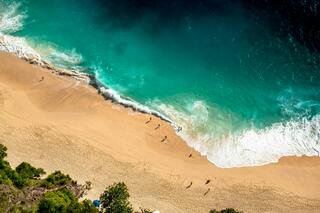
Bali really is as alluring as everyone says. This island, slightly bigger than Delaware, has it all: beaches, volcanoes, terraced rice fields, forests, renowned resorts, surfing, golf, and world-class dive sites. But what sets Bali apart from other nearby tropical destinations is Balinese tradition, and villagers dedicated to celebrating it. The hundreds of temples, dances, rituals, and crafts linked to their ancient Hindu faith aren't a show for tourists, but a living, breathing culture in which visitors are warmly received by the Balinese, who cherish their own identities.
Date & price
Select guest
Departs
Thu 4 Jan 2029
from £6,650 pp
Enquire now Call 020 7590 0610Per person, based on two sharing, cruise only. Updated daily and confirmed when you book.