
Summary
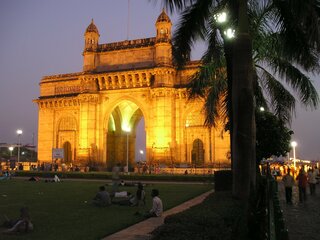
Depart Singapore, where the illuminated Supertrees of Gardens by the Bay give way to hawker-stall aromas of chilli crab, and set a course for Penang, whose UNESCO-listed George Town unfolds in shophouses, clan jetties and incense-laced temples. Phuket follows, its limestone stacks and hidden hongs opening onto the untouched islands of the Andaman Sea, before Port Blair reveals the sober history of the Cellular Jail and reefs among Asia's most pristine. Anchor in Trincomalee's vast natural harbour, ringed by white sand and crowned by clifftop Koneswaram Temple, then feel the pulse of Colombo, where tuk-tuks, frangipani and the Gangaramaya Temple's gilded spires set a joyful Sri Lankan overture. Glide into Cochin, the Queen of the Arabian Sea, where cantilevered Chinese fishing nets dip beneath a coppering sky, spice warehouses recall centuries of trade, and palm-lined backwaters thread inland, then wander Goa's baroque, UNESCO-listed churches and sun-warmed beach shacks. Your voyage concludes in Mumbai, sailing beneath the Gateway of India into a dazzling metropolis of Victorian-Gothic grandeur and ceaseless energy.
Itinerary & Map
The main island of Singapore is shaped like a flattened diamond, 42 km (26 miles) east to west and 23 km (14 miles) north to south. Near the northern peak is th...
Full description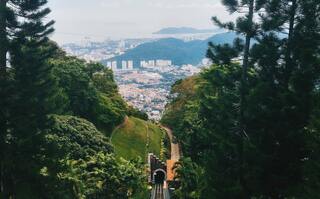
An island off the northwest coast of peninsular Malaysia, Penang is blessed with a multicultural history that's led to a fascinating fusion of East and West. Cl...
Full description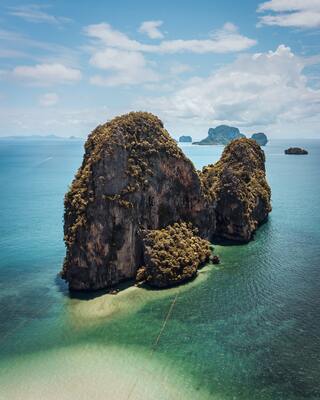
Though few tourists linger here, Phuket Town, the provincial capital, is one of the more culturally interesting places on the island to spend half a day. About...
Full descriptionThe Andamans lie on the ancient trade routes between India and the Far East. They were known to mariners from as early as the 7th century. Among the first weste...
Full descriptionTrincomalee has one of the largest natural harbors in the world. Because of this several European nations fought over Trincomalee, which was already one of the...
Full description
Sri Lanka's capital and largest city, Colombo offers fine restaurants, a buzzing nightlife scene, and good museums, parks, and beautiful Buddhist temples that a...
Full description
Sri Lanka's capital and largest city, Colombo offers fine restaurants, a buzzing nightlife scene, and good museums, parks, and beautiful Buddhist temples that a...
Full description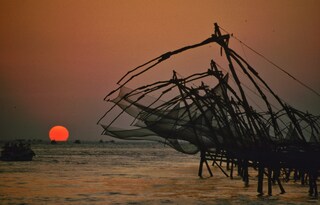
Kochi, formerly and still commonly known as Cochin, is one of the west coast's largest and oldest ports. The streets behind the docks of the historic Fort Cochi...
Full description
Kochi, formerly and still commonly known as Cochin, is one of the west coast's largest and oldest ports. The streets behind the docks of the historic Fort Cochi...
Full description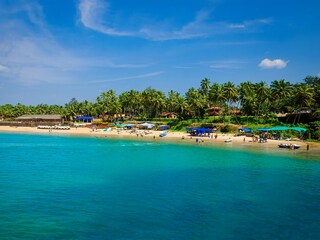
Mumbai, India's financial capital, is a city of contrasts and colors, where towering skyscrapers stand alongside bustling bazaars. From the iconic Gateway of In...
Full description
The main island of Singapore is shaped like a flattened diamond, 42 km (26 miles) east to west and 23 km (14 miles) north to south. Near the northern peak is th...
Full description
An island off the northwest coast of peninsular Malaysia, Penang is blessed with a multicultural history that's led to a fascinating fusion of East and West. Cl...
Full description
Though few tourists linger here, Phuket Town, the provincial capital, is one of the more culturally interesting places on the island to spend half a day. About...
Full descriptionThe Andamans lie on the ancient trade routes between India and the Far East. They were known to mariners from as early as the 7th century. Among the first weste...
Full descriptionTrincomalee has one of the largest natural harbors in the world. Because of this several European nations fought over Trincomalee, which was already one of the...
Full description
Sri Lanka's capital and largest city, Colombo offers fine restaurants, a buzzing nightlife scene, and good museums, parks, and beautiful Buddhist temples that a...
Full description
Sri Lanka's capital and largest city, Colombo offers fine restaurants, a buzzing nightlife scene, and good museums, parks, and beautiful Buddhist temples that a...
Full description
Kochi, formerly and still commonly known as Cochin, is one of the west coast's largest and oldest ports. The streets behind the docks of the historic Fort Cochi...
Full description
Kochi, formerly and still commonly known as Cochin, is one of the west coast's largest and oldest ports. The streets behind the docks of the historic Fort Cochi...
Full description
Mumbai, India's financial capital, is a city of contrasts and colors, where towering skyscrapers stand alongside bustling bazaars. From the iconic Gateway of In...
Full descriptionSingapore
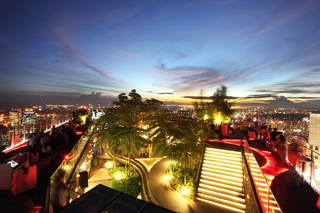
The main island of Singapore is shaped like a flattened diamond, 42 km (26 miles) east to west and 23 km (14 miles) north to south. Near the northern peak is the causeway leading to West Malaysia—Kuala Lumpur is less than four hours away by car. It is at the southern foot where you will find most of the city-state’s action, with its gleaming office towers, working docks, and futuristic "supertrees," which are solar-powered and serve as vertical gardens. Offshore are Sentosa and over 60 smaller islands, most uninhabited, that serve as bases for oil refining or as playgrounds and beach escapes from the city. To the east is Changi International Airport, connected to the city by metro, bus, and a tree-lined parkway. Of the island's total land area, more than half is built up, with the balance made up of parkland, farmland, plantations, swamp areas, and rain forest. Well-paved roads connect all parts of the island, and Singapore city has an excellent, and constantly expanding, public transportation system. The heart of Singapore's history and its modern wealth are in and around the Central Business District. The area includes the skyscrapers in the Central Business District, the 19th-century Raffles Hotel, the convention centers of Marina Square, on up to the top of Ft. Canning. Although most of old Singapore has been knocked down to make way for the modern city, most colonial landmarks have been preserved in the CBD, including early-19th-century buildings designed by the Irish architect George Coleman.
Georgetown, Penang
An island off the northwest coast of peninsular Malaysia, Penang is blessed with a multicultural history that's led to a fascinating fusion of East and West. Claimed by the British East India Company in 1786, the island's city center of Georgetown—listed as a UNESCO World Heritage Site—is filled with colonial architecture, temples, and museums. The island has also attracted many Chinese immigrants, who now make up the majority of the population. On Penang you'll find an exciting mix of jungle, coast, farmland, and fishing villages, along with the country's largest Buddhist temple.
Phuket
Though few tourists linger here, Phuket Town, the provincial capital, is one of the more culturally interesting places on the island to spend half a day. About one-third of the island's population lives here, and the town is an intriguing mix of old Sino-Portuguese architecture and the influences of the Chinese, Muslims, and Thais that inhabit it. The old Chinese quarter along Talang Street is especially good for a stroll, as its history has not yet been replaced by modern concrete and tile. And this same area has a variety of antiques shops, art studios, and trendy cafés. Besides Talang, the major thoroughfares are Ratsada, Phuket, and Ranong roads. Ratsada connects Phuket Road (where you'll find the Tourism Authority of Thailand office) to Ranong Road, where there's an aromatic local market filled with fruits, vegetables, spices, and meats.
Port Blair, Ross Island
The Andamans lie on the ancient trade routes between India and the Far East. They were known to mariners from as early as the 7th century. Among the first western visitors in the 13th century was Marco Polo, who wrote of the inhabitants as being “hostile people who would kill and eat any outsider that ventured onto the islands". However, it was later established that cannibalism was not a practice in the islands. The islands were first settled by the British in the late 18th century when Captain Archibald Blair, on behalf of the British East India Company, founded a naval station on Chatham Island, now known as Port Blair. In 1858 a penal colony was established in Port Blair, used mainly to hold Indian freedom fighters. The clearing of jungle areas and reclaiming of swamps by these first convicts gradually helped to establish a settlement. The growing population consisted mostly of convicts who, after they served their time, decided to stay and settle in the Andamans. During World War II, the islands were occupied by the Japanese, who incarcerated many Indians on the suspicion of being British spies. As a result the local tribes took up guerrilla activities against the Japanese. When India gained independence from Britain in 1947, the islands became part of the Indian Union.
Trincomalee
Trincomalee has one of the largest natural harbors in the world. Because of this several European nations fought over Trincomalee, which was already one of the most visited places of Hindu worship. Close to Trincomalee are two UNESCO World Heritage Sites. One is the ancient city of Polonnaruwa, the former capital of the Kingdom of Polonnaruwa dating back to the 12th century with its impressive ruins and statues. The second site is Sirigiya; the city of the Rock Fortress. Sirigiya is Asia’s best-preserved city center dating back to the first millennium. A massive wall defends part of the lower city and various features have been overgrown by the forest or await excavation. At the site’s summit is the fortified palace with its ruined buildings, cisterns and rock sculptures.
Colombo
Sri Lanka's capital and largest city, Colombo offers fine restaurants, a buzzing nightlife scene, and good museums, parks, and beautiful Buddhist temples that are all worth visiting. The beach resort of Mt. Lavinia is only a short taxi ride from the downtown area and offers a golden, sandy beach and sunset views to die for. As an exciting blur of colors and cultures, Colombo presents a neatly packaged microcosm of this island nation.
Cochin
Kochi, formerly and still commonly known as Cochin, is one of the west coast's largest and oldest ports. The streets behind the docks of the historic Fort Cochin and Mattancherry districts are lined with old merchant houses, godowns (warehouses), and open courtyards heaped with betel nuts, ginger, peppercorns, and tea. Throughout the second millennium this ancient city exported spices, coffee, and coir (the fiber made from coconut husks), and imported culture and religion from Europe, China, and the Middle East. Today Kochi has a synagogue, several mosques, Portuguese Catholic churches, Hindu temples, and the United Church of South India (an amalgamation of several Protestant denominations). The city is spread out over mainland, peninsula, and islands. Ernakulam, on the mainland 2 km (3 miles) from the harbor, is the commercial center and the one-time capital of the former state of Cochin. Willingdon Island, which was created by dredging the harbor, holds several luxury hotels as well as a navy base. The beautiful Bolghatty Island, north of Ernakulam, is a favorite picnic spot for locals. On it there's a government-run hotel in a colonial structure that was once used by the Dutch governor and later by the British Resident. Another local favorite is Cherai beach on Vypin Island, which is a 10-minute ferry ride from Fort Cochin. The Fort Cochin district, Kochi's historic center, is at the northern tip of the Mattancherry peninsula. Houses here often recall Tudor manors; some have been converted to hotels, others remain in the hands of the venerable tea and trading companies. South of Fort Cochin, in the Mattancherry district, is where you'll find the city's dwindling Jewish community. Their small neighborhood, called Jew Town, which is now dotted with cafés and shops selling curios and antiques, is centered on the synagogue.
Mumbai (ex Bombay)
Mumbai, India's financial capital, is a city of contrasts and colors, where towering skyscrapers stand alongside bustling bazaars. From the iconic Gateway of India to the vibrant street food scene of Chowpatty Beach, it's a melting pot of cultures and cuisines. The heartbeat of Bollywood echoes through its bustling streets, while historic landmarks like the Elephanta Caves whisper tales of bygone eras. With its bustling local trains and bustling markets, Mumbai is a city that never sleeps, where dreams are pursued against the backdrop of the Arabian Sea's shimmering waters.
Date & price
Select guest
Departs
Sat 16 Feb 2030
from £939 pp
Enquire now Call 020 7590 0610Per person, based on two sharing, cruise only. Updated daily and confirmed when you book.