
Summary
A roundtrip from Palm Beach, where Henry Flagler's marble-columned Whitehall recalls Gilded Age Florida, sets out for Key West's shuttered Hemingway villa and its six-toed cats, then turns south for Cayman Brac, a speck of some two thousand souls where a forty-metre limestone bluff hides caves once used as hurricane shelter, a call few other ships make. San Andrés answers with the Seaflower UNESCO Biosphere Reserve's sea of seven colours, Johnny Cay's coco loco beneath the palms, and the lilt of Raizal creole English four hundred miles from the Colombian mainland. Cartagena de Indias opens its UNESCO-listed walled city, Getsemaní's street art and ramparts leading to dinner in a colonial courtyard. The Holandés Cays of San Blas follow, more than 350 palm-dotted islets where the Guna alone hold sway, dugout canoes pulling alongside with hand-stitched molas, reached only by a ship this size. Rise through the Gatun locks and glide across rainforest-fringed Gatun Lake transiting the Panama Canal, then wander Panama City's UNESCO-listed Panama Viejo ruins and feast on ceviche at the Mercado de Mariscos. Kayak to Red Frog Beach and snorkel the Zapatilla Cays off Bocas del Toro, wander Carambola's gardens at Roatán's Coxen Hole, home to a UNESCO-recognized Garifuna community, and walk the stilt-built, car-free lanes of Guanaja above the Mesoamerican reef, the world's second largest. Placencia's UNESCO-listed Belize Barrier Reef unfolds through Silk Cayes and Laughing Bird Caye, before Puerto Morelos, its reef just off the beach and a leaning lighthouse in the square, returns you to Palm Beach.
Itinerary & Map
Located closer to Havana than Miami, Key West is synonymous for all that is fabulous. Whether it’s beaches, back country or just a brilliant time that you’re af...
Full description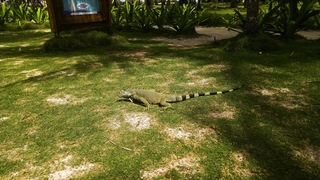
The San Andres and Providencia archipelago comprises Colombia's Caribbean islands, lying some 290 miles north of the South American coast. Palm-dotted San Andre...
Full description
Cartagena's magnificent city walls and fortresses, now a UNESCO World Heritage Site, enclose a well-restored historic center (the Cuidad Amurallada, or walled c...
Full description
Cartagena's magnificent city walls and fortresses, now a UNESCO World Heritage Site, enclose a well-restored historic center (the Cuidad Amurallada, or walled c...
Full descriptionBetter known as the legendary ‘Spice Islands’ of the Ancient World, these small volcanic landmasses were the fabled prize of colonial powers for more than four...
Full descriptionBetter known as the legendary ‘Spice Islands’ of the Ancient World, these small volcanic landmasses were the fabled prize of colonial powers for more than four...
Full description
Expect incredible morning views as you arrive into the port for Panama City. Tinged with a silver pre-dawn light, the city will metamorphosise into a golden glo...
Full description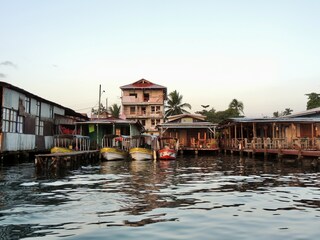
Translated as Mouths of the Bull, Bocas del Toro is both a province and an archipelago in the northwest Caribbean Sea in Panama. The archipelago contains 10 lar...
Full description
Translated as Mouths of the Bull, Bocas del Toro is both a province and an archipelago in the northwest Caribbean Sea in Panama. The archipelago contains 10 lar...
Full descriptionWith 54 square kilometers Guanaja is the second largest of Honduras’ Bay Islands. Exploring the Caribbean, Columbus was the first European to see and land on th...
Full descriptionHead back to Puerto Morelos, the sleepy fishing village that is a step back in time to ‘real Mexico’. The small village is lined with cafes, local stores and ca...
Full descriptionHead back to Puerto Morelos, the sleepy fishing village that is a step back in time to ‘real Mexico’. The small village is lined with cafes, local stores and ca...
Full description
Located closer to Havana than Miami, Key West is synonymous for all that is fabulous. Whether it’s beaches, back country or just a brilliant time that you’re af...
Full description
The San Andres and Providencia archipelago comprises Colombia's Caribbean islands, lying some 290 miles north of the South American coast. Palm-dotted San Andre...
Full description
Cartagena's magnificent city walls and fortresses, now a UNESCO World Heritage Site, enclose a well-restored historic center (the Cuidad Amurallada, or walled c...
Full description
Cartagena's magnificent city walls and fortresses, now a UNESCO World Heritage Site, enclose a well-restored historic center (the Cuidad Amurallada, or walled c...
Full descriptionBetter known as the legendary ‘Spice Islands’ of the Ancient World, these small volcanic landmasses were the fabled prize of colonial powers for more than four...
Full descriptionBetter known as the legendary ‘Spice Islands’ of the Ancient World, these small volcanic landmasses were the fabled prize of colonial powers for more than four...
Full description
Expect incredible morning views as you arrive into the port for Panama City. Tinged with a silver pre-dawn light, the city will metamorphosise into a golden glo...
Full description
Translated as Mouths of the Bull, Bocas del Toro is both a province and an archipelago in the northwest Caribbean Sea in Panama. The archipelago contains 10 lar...
Full description
Translated as Mouths of the Bull, Bocas del Toro is both a province and an archipelago in the northwest Caribbean Sea in Panama. The archipelago contains 10 lar...
Full descriptionWith 54 square kilometers Guanaja is the second largest of Honduras’ Bay Islands. Exploring the Caribbean, Columbus was the first European to see and land on th...
Full descriptionHead back to Puerto Morelos, the sleepy fishing village that is a step back in time to ‘real Mexico’. The small village is lined with cafes, local stores and ca...
Full descriptionHead back to Puerto Morelos, the sleepy fishing village that is a step back in time to ‘real Mexico’. The small village is lined with cafes, local stores and ca...
Full description
Key West, Florida
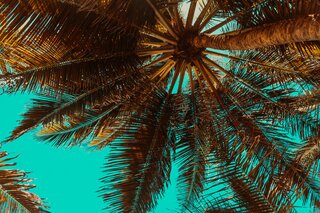
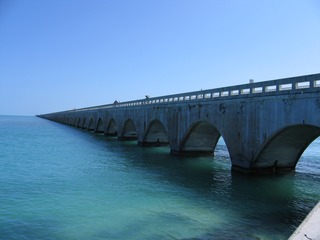
Located closer to Havana than Miami, Key West is synonymous for all that is fabulous. Whether it’s beaches, back country or just a brilliant time that you’re after, Florida’s most southern point holds a wealth of intrigue, both past and present. Famed for its unique originality, Key West is a condensation of the best of the sunshine state – fantastic weather, laid back attitude, deep-rooted history and masses of fantastic, fresh seafood; it’s little wonder that nobody ever wants to leave.Floating in the middle of the Gulf of Mexico, the island has two very definite personalities: bookish and bizarre. On the one hand, the literary festivals, exquisite Caribbean architecture and splendid art galleries attract the bourgeoisie, while on the other, the eccentricity and reticence to be associated with “the mainland” attracts all kinds of “happies” –new era hippies. The two dichotomies live peacefully side by side and have done ever since travellers started arriving in the 1960s — Key West being one of the three big K’s on the hippie path to enlightenment (Kuta and Kathmandu are the others).But past the idiosyncrasies of the Key Westers, and you will find an island that is literally brimming over with spectacular sights and wonderful wilderness. From Henry S. Truman’s Little White House and Ernest Hemmingway’s house and studio, to botanical gardens and marine sanctuaries, visitors will leave this fascinating island wanting more.Best seen by foot, bike or boat, this is an island to be explored al fresco.
San Andrés Island
The San Andres and Providencia archipelago comprises Colombia's Caribbean islands, lying some 290 miles north of the South American coast. Palm-dotted San Andres is only eight miles long and two miles wide. It is noted for beautiful sand beaches, crystal-clear waters and good diving sites. At one time the island belonged to Britain and, according to local lore; it was a favorite hideout for the legendary pirate Henry Morgan. In 1822, San Andres came under the control of Colombia. In recent years the original population has greatly increased due to unrestricted immigration from the mainland. There are also Chinese and Middle Eastern communities. The official language is Spanish but English is widely spoken, especially in shops and hotels. The island is best seen via the scenic ring road that offers views of coves, beaches and palm groves. In the interior stands a Baptist church dating from 1847, and the attraction at the southern end is the Hoyo Soplador, a geyser-like hole where the sea shoots jets of water intermittently into the air during the right wind and sea conditions. On the island's northern tip lies the main town and commercial center, known by the same name as the island. San Andres Town is surrounded by beaches, with small hotels lining the waterfront. Being a duty-free zone, the town often gets crowded with Colombian shoppers who come from the mainland looking for foreign-made goods at duty-free prices. To reach the town from the tender landing requires an approximate 20-minute taxi ride. However, it is not uncommon for drivers to choose the longer way around the island for a higher fare. From the downtown waterfront, boats offer trips to Johnny Cay, a tiny island just a stone's throw across from town and known for its powdery white sand beach and rustic, laid-back atmosphere. San Andres Island’s main attraction is its location off the beaten track, as well as pretty scenery, sandy beaches and clear, warm waters. Tourism infrastructure is limited. Pier Information The ship is scheduled to anchor off El Cove. Guests will be taken ashore via the ship's tenders. The landing site is about a 20-minute drive from San Andres Town. There are plenty of taxi drivers offering their services. Please be sure to agree on the fare before setting out (the one-way fare should be around $30). Keep in mind that not all taxi drivers speak English. Shuttle buses are not available. Shopping Most shops in town carry duty-free imports. At New Point Plaza you will find shops selling local souvenir items and jewelry including emeralds. Some stores close between 12:30 p.m. and 3:00 p.m. The local currency is the peso. Many shops will accept U.S. dollars and major credit cards. Cuisine Outdoor cafés are available in town if you fancy a cold drink or a quick snack. Other Sites All of the island’s sights are covered on the San Andres Island Drive. Beaches Swimmers, snorkelers and sun seekers will find beach facilities right in town. One of the hotels also features water sport rentals. Johnny Cay can be reached via local boats departing from the waterfront. However, be aware that winds are fairly strong between November and January, which may cause delays for your return boat ride. There are no tourist facilities on Johnny Cay. Private cars/vans are not available in this port, except for taxis.
Cartagena
Cartagena's magnificent city walls and fortresses, now a UNESCO World Heritage Site, enclose a well-restored historic center (the Cuidad Amurallada, or walled city) with plazas, churches, museums, and shops that have made it a lively coastal vacation spot for South Americans and others. New hotels and restaurants make the walled city a desirable place to stay, and the formerly down-at-the-heels Getsemaní neighborhood attracts those seeking a bohemian buzz. The historic center is a small section of Cartagena; many hotels are in the Bocagrande district, an elongated peninsula where high-rise hotels overlook a long, gray-sand beach.When it was founded in 1533 by Spanish conquistador Pedro de Heredia, Cartagena was the only port on the South American mainland. Gold and silver looted from indigenous peoples passed through here en route to Spain and attracted pirates, including Sir Francis Drake, who in 1586 torched 200 buildings. Cartagena's walls protected the city's riches as well as the New World's most important African slave market.
Holandes Cayes
Better known as the legendary ‘Spice Islands’ of the Ancient World, these small volcanic landmasses were the fabled prize of colonial powers for more than four centuries. Its rich history is still tangible today with an eclectic mix of Portuguese, Dutch and British architecture, the remnants of a rich and tumultuous history. It is, without doubt, the most historically significant and interesting of all the “Spice Islands”.
Panama City and Panama Canal Transit
Expect incredible morning views as you arrive into the port for Panama City. Tinged with a silver pre-dawn light, the city will metamorphosise into a golden glow as the sun rises above it. And from then on expect one stunning view after another. Very interesting in its own right, Fuerte Amador is obviously overshadowed by its proximity to Panama City. So should the Miraflores museum of the Canal, which offers a comprehensive and immersive tour of the Canal including a 3-D experience, four exhibition halls, an observation deck, and a surprisingly good restaurant not interest you then there is always the option of lovely Casco Viejo – literally the old quartier of Panama. The grand old colonial houses, cobbled streets, independent boutiques and buzzing street scene make this a must stop on your itinerary. And if you like seafood, you will not want miss the many restaurants and market stalls serving different variations of so-fresh-it’s-still-practically-swimming ceviche. Best eaten like the Panamanians do, with salty crackers and a cold beer on the beach. And if money is no object, a cup of geisha coffee – supposedly the world’s best and definitely the world’s most expensive at $7 a shot is definitely a pick me up! Cool cosmopolitan capital aside, Panama has a skyscraper filled skyline that is worthy of some of its North American counterparts. But if urban utopia is not your scene then fear not, the sandy beaches and lush rainforests are never more than a short cab ride away.
Bocas del Toro
Translated as Mouths of the Bull, Bocas del Toro is both a province and an archipelago in the northwest Caribbean Sea in Panama. The archipelago contains 10 larger islands (including the main Isla Colon, where the town of Bocas del Toro is situated), 50 cays and 200 tiny islets. The region contains Isla Bastimentos National Marine Park, Panama’s first national marine park that covers over 32,000 acres and protects forests, mangroves, monkeys, sloths, caiman, crocodile and 28 species of amphibians and reptiles. The park also contains Playa Larga, an important nesting site for sea turtles. With all there is to see in this region, visitors should also pause to enjoy the pristine white beaches lined with palm trees that lie all along the surrounding clear waters of the Chiriqui Lagoon
Guanaja, Bay of Islands
With 54 square kilometers Guanaja is the second largest of Honduras’ Bay Islands. Exploring the Caribbean, Columbus was the first European to see and land on the island, which is some 40 kilometers off the mainland’s coast. Guanaja is quite hilly and one of the largest concentrations of residents is on a small island off its east coast known as Guanaja Cay. Some 4,000 people –about as many as on Guanaja itself- live on 1.4 square kilometers and houses and shops on Guanaja Cay cover the entire island. This little cay is next to a channel that cuts across the larger Guanaja from east to west, permitting boats to transport divers from one side of the island to the other without having to do a semi-circumnavigation of the island.
Puerto Morelos
Head back to Puerto Morelos, the sleepy fishing village that is a step back in time to ‘real Mexico’. The small village is lined with cafes, local stores and cafes where you’ll find friendly locals. Explore the underwater delights of the great Mesoamerican Barrier Reef, where you’ll be able to swim or snorkel amongst vibrant marine flora and fauna.
Date & price
Select guest
Departs
Thu 7 Nov 2030
from £2,780 pp
Enquire now Call 020 7590 0610Per person, based on two sharing, cruise only. Updated daily and confirmed when you book.