
Summary
Itinerary & Map
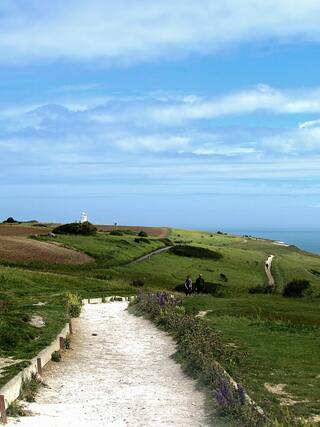
Known as the gateway of England, Dover welcomes millions of visitors from all over the globe each year in its role as the ferry capital of the world and the sec...
Full description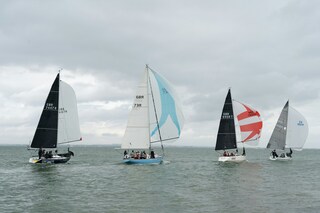
The 147-square-mile island with its pretty bays and thatched villages is like a miniature England. A well-preserved Victorian character dates from no other than...
Full description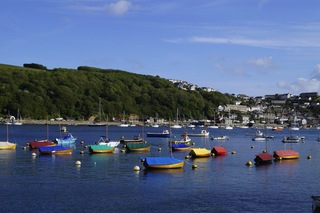
Nestled in the mouth of a wooded estuary, Fowey (pronounced Foy) is still very much a working china-clay port as well as a focal point for the sailing fraternit...
Full description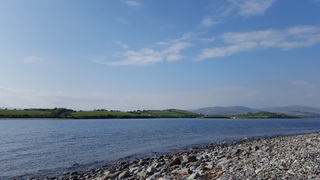
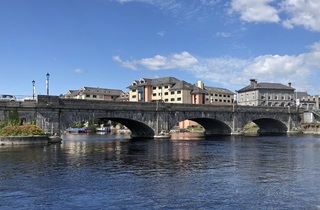
Galway is a city in the West of Ireland in the province of Connacht. It lies on the River Corrib between Lough Corrib and Galway Bay and is surrounded by County...
Full description
Oban, "little bay" in Gaelic, today has a resident population of 8,500 and is the unofficial capital of the West Highlands - the "Gateway to the Isles." The pan...
Full description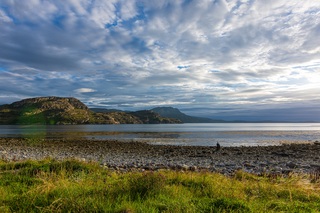
Ullapool is an ideal base for hiking throughout Sutherland and taking wildlife and nature cruises, especially to the Summer Isles. By the shores of salty Loch B...
Full description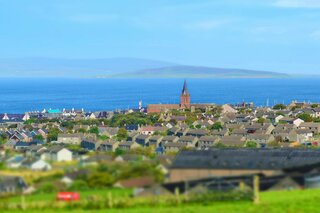
In bustling Kirkwall, the main town on Orkney, there's plenty to see in the narrow, winding streets extending from the harbor. The cathedral and some museums ar...
Full description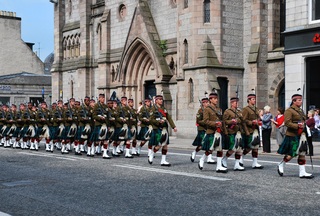
With close to 220,000 inhabitants, Aberdeen is Scotland's third most populous city. Locally quarried grey granite was used during the mid-18th to mid-20th centu...
Full description
Known as the gateway of England, Dover welcomes millions of visitors from all over the globe each year in its role as the ferry capital of the world and the sec...
Full description
Known as the gateway of England, Dover welcomes millions of visitors from all over the globe each year in its role as the ferry capital of the world and the sec...
Full description
The 147-square-mile island with its pretty bays and thatched villages is like a miniature England. A well-preserved Victorian character dates from no other than...
Full description
Nestled in the mouth of a wooded estuary, Fowey (pronounced Foy) is still very much a working china-clay port as well as a focal point for the sailing fraternit...
Full description
Galway is a city in the West of Ireland in the province of Connacht. It lies on the River Corrib between Lough Corrib and Galway Bay and is surrounded by County...
Full description
Oban, "little bay" in Gaelic, today has a resident population of 8,500 and is the unofficial capital of the West Highlands - the "Gateway to the Isles." The pan...
Full description
Ullapool is an ideal base for hiking throughout Sutherland and taking wildlife and nature cruises, especially to the Summer Isles. By the shores of salty Loch B...
Full description
In bustling Kirkwall, the main town on Orkney, there's plenty to see in the narrow, winding streets extending from the harbor. The cathedral and some museums ar...
Full description
With close to 220,000 inhabitants, Aberdeen is Scotland's third most populous city. Locally quarried grey granite was used during the mid-18th to mid-20th centu...
Full description
Known as the gateway of England, Dover welcomes millions of visitors from all over the globe each year in its role as the ferry capital of the world and the sec...
Full descriptionDover
Known as the gateway of England, Dover welcomes millions of visitors from all over the globe each year in its role as the ferry capital of the world and the second busiest cruise port in the UK. The White Cliffs Country has a rich heritage. Within the walls of the town’s iconic castle, over 2,000 years of history waits to be explored, whilst the town’s museum is home to the Dover Bronze Age Boat, the world’s oldest known seagoing vessel. The town’s cliffs that are a welcome sight for today's cross-channel travellers also served as the control centre for the Dunkirk evacuation in 1940.
Cowes, Isle of Wight
The 147-square-mile island with its pretty bays and thatched villages is like a miniature England. A well-preserved Victorian character dates from no other than Queen Victoria herself, who favored the island as her summer residence and made it her permanent home after the death of her husband, Prince Albert. Several other great names have close associations with the Isle of Wight, such as Tennyson, Dickens and Keats. The small port of Cowes at the northern tip of the island hosts every year in August Britain’s most prestigious sailing event – Cowes Week, often called “the yachtsman’s Ascot.”This is when the cozy and laid-back island bursts with visitors from all over, who fill the ranks of the island’s retired folk. Apart from being a haven for sailing craft, the world’s first hovercraft made its test runs here in the 1950s. For a place of relatively small size, the Isle of Wight packs a startling variety of landscapes and coastal scenery, ranging from a terrain of low-lying woodland and pasture to open chalky downland fringed by high cliffs. In addition, there are a number of historic buildings and a splendid array of well-preserved Victoriana. The town of Cowes is bisected by the Medina River, with West Cowes near the harbor being the old, pretty part, while East Cowes is more industrialized. Outside the suburbs stands Osborne House, Queen Victoria’s favorite residence. The grand mansion was largely designed by Albert, and the interior has been left very much as it was in the Queen’s lifetime. Around the island, some of the highlights include the Needles, three tall chalk stacks beneath the cliffs at the far west end of the island. The small village of Shanklin is known for its golden cliffs and a scenic steep ravine whose mossy, fern-filled woods have been embellished with tiny lights and thatched tea shops. The port of Yarmouth features an attractive fortress and quaint pubs in the main square. Pier Information The ship is scheduled to anchor off Cowes. Guests will be taken ashore via ship’s tender. Walking distance to the town center is approximately 5 minutes. Taxis are generally available for trips around the island. Shopping Shops in the town center of Cowes carry maritime items and yachting attire, local glassware and the famous Isle of Wight colored sand. Normal opening times are from 9:00 a.m. to 5:00 p.m. The local currency is the pound. Cuisine Not surprisingly, seafood is a good choice as well as other popular English fare. If you fancy lunch ashore, you may want to give the Amadeus Restaurant in Cowes a try, or stop in one of the local pubs for a quick meal and a cold beer. Other Sites Most of the island’s sights are covered in the organized excursions. Additionally, at the far west end of the island is the site of The Needles, a cluster of three tall chalk stacks beneath steep cliffs. The drive there takes about 45 minutes each way. Nearby is Alum Bay. The oxidized sandstone cliffs are popular for their multicolored sands, which are collected and arranged in diverse glass bottles, making popular souvenirs. Private arrangements are not encouraged in this port.
Fowey
Nestled in the mouth of a wooded estuary, Fowey (pronounced Foy) is still very much a working china-clay port as well as a focal point for the sailing fraternity. Increasingly, it's also a favored home of the rich and famous. Good and varied dining and lodging options abound; these are most in demand during Regatta Week in mid- to late August and the annual Fowey Festival of Words and Music in mid-May. The Bodinnick and Polruan ferries take cars as well as foot passengers across the river for the coast road on to Looe.A few miles west of Fowey are a pair of very different gardens: the Eden Project, a futuristic display of plants from around the world, and the Lost Gardens of Heligan, a revitalized reminder of the Victorian age.
Galway
Galway is a city in the West of Ireland in the province of Connacht. It lies on the River Corrib between Lough Corrib and Galway Bay and is surrounded by County Galway. It is the fourth most populous urban area in the Republic of Ireland and the sixth most populous city in the island of Ireland. It is both a picturesque and lively city with a wonderful avant-garde culture and a fascinating mixture of locally owned speciality shops, often featuring locally made crafts. Indeed local handcrafts are a feature of the entire region including hand knits, pottery, glass, jewellery and woodwork. The city’s hub is 18th-century Eyre Square, a popular meeting spot surrounded by shops, and traditional pubs that often offer live Irish folk music. Nearby, stone-clad cafes, boutiques and art galleries line the winding lanes of the Latin Quarter, which retains portions of the medieval city walls. The city bears the nickname "The City of the Tribes" because "fourteen tribes" of merchant families led the city in its Hiberno-Norman period. The merchants would have seen themselves as Irish gentry and loyal to the King. They later adopted the term as a badge of honour and pride in defiance of the town's Cromwellian occupier.
Oban
Oban, "little bay" in Gaelic, today has a resident population of 8,500 and is the unofficial capital of the West Highlands - the "Gateway to the Isles." The panoramic views of the mountains, lochs and islands which have captivated artists, authors, composers, and poets for centuries are as striking now as they were when Dunollie Castle, a ruined keep which has stood sentinel over the narrow entrance to the sheltered bay for around six hundred years, was the northern outpost of the Dalriadic Scots. It is no surprise to find Oban in the 21st-century remains a magnet for travellers from all over the world. The town's present day popularity owes much to the Victorians, and as early as 1812, when the Comet steamship linked Oban with Glasgow, the town played host to intrepid travellers touring Staffa - the inspiration for Mendelssohn's Hebridean Overture - and Iona - home of Scottish Christianity since St Columba stepped ashore in AD563. Indeed once Oban had the royal seal of approval from Queen Victoria, who called it "one of the finest spots we have seen," the town's destiny as an endearingly enchanting holiday destination was as firmly set as the lava columns of Fingal's Cave in Oban is justifiably known as the “gateway to the Isles.” The town's south pier is the embarkation point for car ferries to Mull, Coll, Tiree, Barra, South Uist, Colonsay, Lismore and Islay. From these islands you can travel further a field to Iona, Staffa and to many of the smaller less well known isles.
Ullapool
Ullapool is an ideal base for hiking throughout Sutherland and taking wildlife and nature cruises, especially to the Summer Isles. By the shores of salty Loch Broom, the town was founded in 1788 as a fishing station to exploit the local herring stocks. There's still a smattering of fishing vessels, as well as visiting yachts and foreign ships. When their crews fill the pubs, Ullapool has a cosmopolitan feel. The harbor area comes to life when the Lewis ferry arrives and departs.
Kirkwall, Orkney Islands
In bustling Kirkwall, the main town on Orkney, there's plenty to see in the narrow, winding streets extending from the harbor. The cathedral and some museums are highlights.
Aberdeen
With close to 220,000 inhabitants, Aberdeen is Scotland's third most populous city. Locally quarried grey granite was used during the mid-18th to mid-20th centuries for many of Aberdeen's buildings, and hence the nicknames it has earned as the Granite City, or the Grey City. Aberdeen granite was also used to build the terraces of the Houses of Parliament and Waterloo Bridge in London. Since the discovery of North Sea oil in the 1970s, Aberdeen has also been called the Oil Capital of Europe or the Energy Capital of Europe. It is no wonder that because of the oil fields in the North Sea, Aberdeen's seaport is very important. The Heliport with its flights to the oil fields is one of the busiest commercial heliports in the world.
Date & price
Departs
Sat 21 Jul 2029
from £6,299 pp
Enquire now Call 020 7590 0610Per person, based on two sharing, cruise only. Updated daily and confirmed when you book.