
Summary
Itinerary & Map
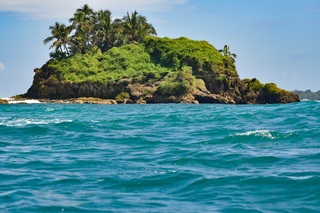
The provincial capital of Colón, beside the canal's Atlantic entrance, is named for the Spanish-language surname of Christopher Columbus, though the Americans c...
Full description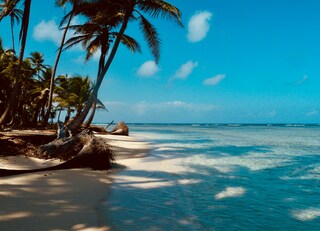
The San Blas archipelago is located off the Caribbean coast, east of Colon, and is made up of 365 islands that range in size from tiny ones with a few coconut p...
Full description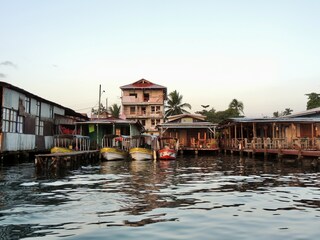
Translated as Mouths of the Bull, Bocas del Toro is both a province and an archipelago in the northwest Caribbean Sea in Panama. The archipelago contains 10 lar...
Full description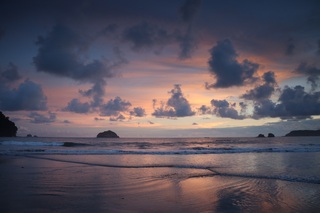
Christopher Columbus became Costa Rica's first tourist when he landed on this stretch of coast in 1502 during his fourth and final voyage to the New World. Expe...
Full descriptionWith 54 square kilometers Guanaja is the second largest of Honduras’ Bay Islands. Exploring the Caribbean, Columbus was the first European to see and land on th...
Full description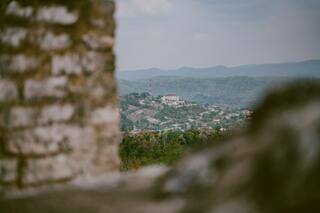
Belize City, a coastal gem, seamlessly blends history and modern vibrancy. Colonial architecture graces lively streets, narrating tales of Mayan roots and cultu...
Full description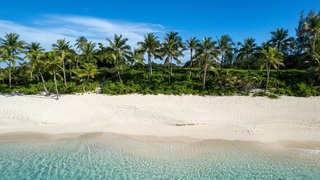
The Half Moon Caye is a natural monument situated at the southeast corner of Lighthouse Reef Atoll. The crescent-shaped caye is a protected marine reserve that...
Full description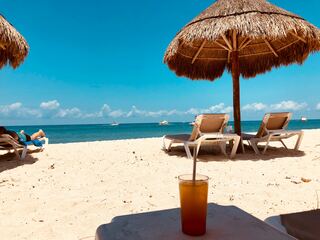
Cozumel, a Caribbean gem off Mexico’s Yucatán Peninsula, is celebrated for its crystal-clear waters, vibrant coral reefs, and rich Mayan history. A haven for di...
Full description
Cozumel, a Caribbean gem off Mexico’s Yucatán Peninsula, is celebrated for its crystal-clear waters, vibrant coral reefs, and rich Mayan history. A haven for di...
Full description
The provincial capital of Colón, beside the canal's Atlantic entrance, is named for the Spanish-language surname of Christopher Columbus, though the Americans c...
Full description
The San Blas archipelago is located off the Caribbean coast, east of Colon, and is made up of 365 islands that range in size from tiny ones with a few coconut p...
Full description
Translated as Mouths of the Bull, Bocas del Toro is both a province and an archipelago in the northwest Caribbean Sea in Panama. The archipelago contains 10 lar...
Full description
Christopher Columbus became Costa Rica's first tourist when he landed on this stretch of coast in 1502 during his fourth and final voyage to the New World. Expe...
Full descriptionWith 54 square kilometers Guanaja is the second largest of Honduras’ Bay Islands. Exploring the Caribbean, Columbus was the first European to see and land on th...
Full description
Belize City, a coastal gem, seamlessly blends history and modern vibrancy. Colonial architecture graces lively streets, narrating tales of Mayan roots and cultu...
Full description
The Half Moon Caye is a natural monument situated at the southeast corner of Lighthouse Reef Atoll. The crescent-shaped caye is a protected marine reserve that...
Full description
Cozumel, a Caribbean gem off Mexico’s Yucatán Peninsula, is celebrated for its crystal-clear waters, vibrant coral reefs, and rich Mayan history. A haven for di...
Full description
Cozumel, a Caribbean gem off Mexico’s Yucatán Peninsula, is celebrated for its crystal-clear waters, vibrant coral reefs, and rich Mayan history. A haven for di...
Full descriptionColón
The provincial capital of Colón, beside the canal's Atlantic entrance, is named for the Spanish-language surname of Christopher Columbus, though the Americans called it Aspinwall in the 19th century.. The city was founded in 1850 by Americans working on the Panama railroad and named Aspinwall for one of the railway engineers. Following completion in 1855, Colon gained in importance, which was furthered by the plans for an isthmian canal. During the time of the French canal attempt, a fire in 1885 burned the city nearly to the ground and left thousands of people homeless. Colon was rebuilt in the architectural style then popular in France. Buildings from that era plus the ones constructed by Americans between 1904 and 1914 are still in use today, although the majority is on the verge of collapse. In addition to its importance as a port, Colon boasts the world’s second largest duty-free zone, known as Zona Libre, which is contained in a huge fortress like, walled-off area with giant international stores. However, most of the merchandise is sold in bulk to commercial businesses throughout the country.
San Blas Islands
The San Blas archipelago is located off the Caribbean coast, east of Colon, and is made up of 365 islands that range in size from tiny ones with a few coconut palms to islands on which hundreds of Kuna Indians live. Only about fifty are inhabited. The Kuna rule the San Blas Territory with internal autonomy, and have tightly preserved their language and cultural traditions over the centuries despite influences from European colonies. In addition to their own language, Spanish is widely spoken and many men work on the mainland, but live on the islands. Women wear costumes with unique designs based on local themes, geometric patterns, and stylised fauna and flora. The island of El Porvenir is one of the main seats of government for the Kuna Indians. Many Kunas from the other islands came to settle on El Porvenir, bringing with them their traditional arts and crafts, including the famous molas. These intricately hand-sewn designs are made by the women of the tribes as part of their blouses and dresses. With the increased tourism, molas are now a favoured souvenir and craft item for visitors.
Bocas del Toro
Translated as Mouths of the Bull, Bocas del Toro is both a province and an archipelago in the northwest Caribbean Sea in Panama. The archipelago contains 10 larger islands (including the main Isla Colon, where the town of Bocas del Toro is situated), 50 cays and 200 tiny islets. The region contains Isla Bastimentos National Marine Park, Panama’s first national marine park that covers over 32,000 acres and protects forests, mangroves, monkeys, sloths, caiman, crocodile and 28 species of amphibians and reptiles. The park also contains Playa Larga, an important nesting site for sea turtles. With all there is to see in this region, visitors should also pause to enjoy the pristine white beaches lined with palm trees that lie all along the surrounding clear waters of the Chiriqui Lagoon
Puerto Limón
Christopher Columbus became Costa Rica's first tourist when he landed on this stretch of coast in 1502 during his fourth and final voyage to the New World. Expecting to find vast mineral wealth, he named the region Costa Rica ("rich coast"). Imagine the Spaniards' surprise eventually to find there was none. Save for a brief skirmish some six decades ago, the country did prove itself rich in a long tradition of peace and democracy. No other country in Latin America can make that claim. Costa Rica is also abundantly rich in natural beauty, managing to pack beaches, volcanoes, rain forests, and diverse animal life into an area the size of Vermont and New Hampshire combined. It has successfully parlayed those qualities into its role as one the world's great ecotourism destinations. A day visit is short, but time enough for a quick sample.
Guanaja, Bay of Islands
With 54 square kilometers Guanaja is the second largest of Honduras’ Bay Islands. Exploring the Caribbean, Columbus was the first European to see and land on the island, which is some 40 kilometers off the mainland’s coast. Guanaja is quite hilly and one of the largest concentrations of residents is on a small island off its east coast known as Guanaja Cay. Some 4,000 people –about as many as on Guanaja itself- live on 1.4 square kilometers and houses and shops on Guanaja Cay cover the entire island. This little cay is next to a channel that cuts across the larger Guanaja from east to west, permitting boats to transport divers from one side of the island to the other without having to do a semi-circumnavigation of the island.
Belize City
Belize City, a coastal gem, seamlessly blends history and modern vibrancy. Colonial architecture graces lively streets, narrating tales of Mayan roots and cultural richness. A welcoming atmosphere emanates from friendly locals, and diverse festivals celebrate Belize's heritage. The city serves as a gateway to natural wonders, from serene river rides to the renowned Belize Barrier Reef. Pristine beaches like Old Belize Beach invite relaxation. Culinary delights abound, showcasing Belizean flavours. In this enchanting city, every smile, historical landmark, and cultural celebration embodies the warmth and charm that make Belize City an unforgettable destination.
Half Moon Cay
The Half Moon Caye is a natural monument situated at the southeast corner of Lighthouse Reef Atoll. The crescent-shaped caye is a protected marine reserve that was established as a World Heritage Site in 1996. The pristine caye has breath-taking walk-in snorkelling from the beach, idyllic sandy beaches and magnificent wildlife both in the sea and within the littoral forest.
Cozumel
Cozumel, a Caribbean gem off Mexico’s Yucatán Peninsula, is celebrated for its crystal-clear waters, vibrant coral reefs, and rich Mayan history. A haven for divers and snorkelers, the island is home to the Mesoamerican Reef, teeming with colorful marine life. Beyond the sea, explore ancient ruins like San Gervasio, enjoy local charm in San Miguel’s markets, or relax on pristine beaches. Eco-parks like Punta Sur offer lush landscapes and wildlife encounters. Blending natural beauty, cultural heritage, and adventure, Cozumel promises a tropical escape that captivates every traveler.
Date & price
Select guest
Departs
Sat 13 Mar 2027
from £8,475 pp
Enquire now Call 020 7590 0610Per person, based on two sharing, cruise only. Updated daily and confirmed when you book.