
Summary
In the shadow of Mt Fuji, Hakone presents you with the opportunity to see the nearby Owakudani geysers and the unusual Hakone Open Air Museum. Partake in Japanese culture – try your hand at creating washi paper, copperware, your own chopsticks and origami, dress in kimonos, dine with a Geiko and Maiko and play Taiko drums. From the large neon-filled, modern cities of Tokyo and Osaka to the historic villages of Ichinomiya, Gokayama, Takayama and Tsumago Juku, you will see all aspects of Japanese culture and lifestyle during your journey. Enjoy the very best the ‘land of the rising sun’ has to offer, from feudal castles to traditional gardens, sporting traditions to tea ceremonies, from sake to sushi, and everything quintessentially Japanese in-between.
Itinerary & Map
Lights, sushi, manga! Sprawling, frenetic, and endlessly fascinating, Japan’s capital is a city of contrasts. Shrines and gardens are pockets of calm between fa...
Full description
Lights, sushi, manga! Sprawling, frenetic, and endlessly fascinating, Japan’s capital is a city of contrasts. Shrines and gardens are pockets of calm between fa...
Full description
Lights, sushi, manga! Sprawling, frenetic, and endlessly fascinating, Japan’s capital is a city of contrasts. Shrines and gardens are pockets of calm between fa...
Full description
Lights, sushi, manga! Sprawling, frenetic, and endlessly fascinating, Japan’s capital is a city of contrasts. Shrines and gardens are pockets of calm between fa...
Full description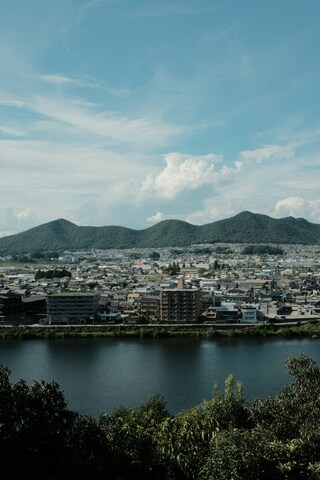


The capital of the Ishikawa Prefecture, Kanazawa once rivalled Kyoto and Edo (Tokyo) as a town rich in cultural achievements. Kanazawa escaped destruction durin...
Full description
The capital of the Ishikawa Prefecture, Kanazawa once rivalled Kyoto and Edo (Tokyo) as a town rich in cultural achievements. Kanazawa escaped destruction durin...
Full description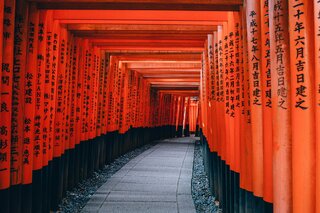
History buffs will want to write home Hiroshima. Despite being devastated in 1945, this Japanese city is known to all for its commitment peace – its ruin on the...
Full description
History buffs will want to write home Hiroshima. Despite being devastated in 1945, this Japanese city is known to all for its commitment peace – its ruin on the...
Full description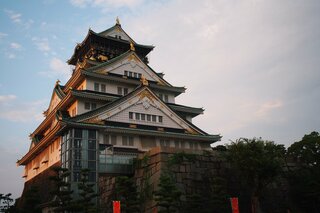
From Minami's neon-lighted Dotombori and historic Tenno-ji to the high-rise class and underground shopping labyrinths of Kita, Osaka is a city that pulses with...
Full description
From Minami's neon-lighted Dotombori and historic Tenno-ji to the high-rise class and underground shopping labyrinths of Kita, Osaka is a city that pulses with...
Full description
From Minami's neon-lighted Dotombori and historic Tenno-ji to the high-rise class and underground shopping labyrinths of Kita, Osaka is a city that pulses with...
Full description
Lights, sushi, manga! Sprawling, frenetic, and endlessly fascinating, Japan’s capital is a city of contrasts. Shrines and gardens are pockets of calm between fa...
Full description
Lights, sushi, manga! Sprawling, frenetic, and endlessly fascinating, Japan’s capital is a city of contrasts. Shrines and gardens are pockets of calm between fa...
Full description
Lights, sushi, manga! Sprawling, frenetic, and endlessly fascinating, Japan’s capital is a city of contrasts. Shrines and gardens are pockets of calm between fa...
Full description
Lights, sushi, manga! Sprawling, frenetic, and endlessly fascinating, Japan’s capital is a city of contrasts. Shrines and gardens are pockets of calm between fa...
Full description
The capital of the Ishikawa Prefecture, Kanazawa once rivalled Kyoto and Edo (Tokyo) as a town rich in cultural achievements. Kanazawa escaped destruction durin...
Full description
The capital of the Ishikawa Prefecture, Kanazawa once rivalled Kyoto and Edo (Tokyo) as a town rich in cultural achievements. Kanazawa escaped destruction durin...
Full description
History buffs will want to write home Hiroshima. Despite being devastated in 1945, this Japanese city is known to all for its commitment peace – its ruin on the...
Full description
History buffs will want to write home Hiroshima. Despite being devastated in 1945, this Japanese city is known to all for its commitment peace – its ruin on the...
Full description
From Minami's neon-lighted Dotombori and historic Tenno-ji to the high-rise class and underground shopping labyrinths of Kita, Osaka is a city that pulses with...
Full description
From Minami's neon-lighted Dotombori and historic Tenno-ji to the high-rise class and underground shopping labyrinths of Kita, Osaka is a city that pulses with...
Full description
From Minami's neon-lighted Dotombori and historic Tenno-ji to the high-rise class and underground shopping labyrinths of Kita, Osaka is a city that pulses with...
Full descriptionTokyo
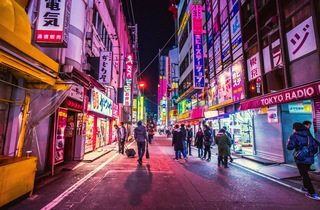
Lights, sushi, manga! Sprawling, frenetic, and endlessly fascinating, Japan’s capital is a city of contrasts. Shrines and gardens are pockets of calm between famously crowded streets and soaring office buildings. Mom-and-pop noodle houses share street space with Western-style chain restaurants and exquisite fine dining. Shopping yields lovely folk arts as well as the newest electronics. And nightlife kicks off with karaoke or sake and continues with techno clubs and more. Whether you seek the traditional or the cutting edge, Tokyo will provide it.
Kanazawa
The capital of the Ishikawa Prefecture, Kanazawa once rivalled Kyoto and Edo (Tokyo) as a town rich in cultural achievements. Kanazawa escaped destruction during World War II and accordingly has been able to preserve many of the old districts in good shape. The city is famous because of Kenrokuen. Located next to Kanazawa Castle, Kenrokuen is classified as “One of the Three Gardens of Japan”. The garden has an artificial pond, and hills and houses are dotted within the 11.4 hectares. It has Japan’s oldest fountain using natural water pressure and a tea-house dating back to 1774. Close by is the Higashi Chaya Gai Geisha District, designated a National Cultural Asset and the biggest of the Geisha districts of Kanazawa. Some of the houses not only retain the original structure, but still are used as Geisha houses. Some of the streets have traditional shops creating a nostalgic atmosphere. Kanazawa is also known for its lacquer ware, Kutani-style pottery, gold-leaf workmanship and delicately painted silk kimonos.
Hiroshima > Miyajima Island
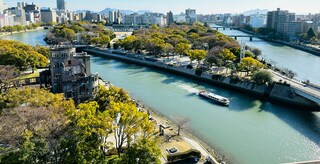
History buffs will want to write home Hiroshima. Despite being devastated in 1945, this Japanese city is known to all for its commitment peace – its ruin on the 6th August 1945 led to the end of the war and today, the Peace Memorial (a UNESCO World Heritage Site) , is a constant reminder of the destruction that war brings. A walk in the leafy boulevards of Peace Memorial Park brings quiet contemplation. The Flames of Peace – set in the park’s central feature pond – burn brightly and will continue to do so until all the nuclear bombs I the world have been destroyed. There are many other inspiring messages of hope around the city too; the Children’s’ Peace Monument just north of the park is a homage to little Sadako Sasaki, who was just two in 1945. When she developed leukemia in 1956, she believed that if she folded 1,000 paper cranes – a symbol of longevity and happiness in Japan – she would recover. Sadly she died before she finished her task but her classmates finished the rest. It is impossible to ignore the events of 1945 in Hiroshima, but this is far from a depressing place. The great efforts that have been made in rebuilding of the city over the years have given Hiroshima a vibrant, eclectic edge, with the downtown shopping area and street food stalls being well worth a visit. The proximity to Miyajima and its iconic, impressive, Torii gate should not be overlooked either. If you are lucky enough to visit during the unpredictable and short-lived Sakura (cherry blossom) season, then the extraordinary sight of the delicate pink blossom floating across the water to the red gate, means you can consider yourself one of the luckiest people on the planet.
Osaka - Tondabayashi - Kehayaza
From Minami's neon-lighted Dotombori and historic Tenno-ji to the high-rise class and underground shopping labyrinths of Kita, Osaka is a city that pulses with its own unique rhythm. Though Osaka has no shortage of tourist sites, it is the city itself that is the greatest attraction. Home to some of Japan's best food, most unique fashions, and warmest locals, Osaka does not beg to be explored—it demands it. More than anywhere else in Japan, it rewards the impulsive turn down an interesting side street or the chat with a random stranger. People do not come here to see the city, they come to experience it.Excluded from the formal circles of power and aristocratic culture in 16th-century Edo (Tokyo), Osaka took advantage of its position as Japan's trading center, developing its own art forms such as Bunraku puppet theater and Rakugo comic storytelling. It was in Osaka that feudal Japan's famed Floating World—the dining, theater, and pleasure district—was at its strongest and most inventive. Wealthy merchants and common laborers alike squandered fortunes on culinary delights, turning Osaka into "Japan's Kitchen," a moniker the city still has today. Though the city suffered a blow when the Meiji government canceled all of the samurai class's outstanding debts to the merchants, it was quick to recover. At the turn of the 20th century, it had become Japan's largest and most prosperous city, a center of commerce and manufacturing.Today Osaka remains Japan's iconoclastic metropolis, refusing to fit Tokyo's norms and expectations. Unlike the hordes of Tokyo, Osakans are fiercely independent. As a contrast to the neon and concrete surroundings, the people of Osaka are known as Japan's friendliest and most outgoing. Ask someone on the street for directions in Tokyo and you are lucky to get so much as a glance. Ask someone in Osaka and you get a conversation.The main areas of the city, Kita (north) and Minami (south), are divided by two rivers: the Dojima-gawa and the Tosabori-gawa. Between Kita and Minami is Naka-no-shima, an island and the municipal center of Osaka. Kita (north of Chuo Dori) is Osaka's economic hub and contains Osaka's largest stations: JR Osaka and Hankyu Umeda. The area is crammed with shops, department stores, and restaurants. Nearby are a nightlife district, Kita-shinchi; Naka-no-shima and the Museum of Oriental Ceramics; Osaka-jo (Osaka Castle); and Osaka Koen (Osaka Park). Restaurants, bars, department stores, and boutiques attract Osaka's youth to Minami (south Chuo Dori); theatergoers head to the National Bunraku Theatre and electronics-lovers to Den Den Town. For a glimpse of old Osaka, visit Tenno-ji Temple and Shin Sekai. The main stations are Namba, Shin-sai-bashi, Namba Nankai, and Tenno-ji. There's easy access to the Municipal Museum of Fine Art and Sumiyoshi Taisha (Sumiyoshi Grand Shrine).The bay area, to the west of the city center, is home to the Osaka Aquarium and Universal Studios Japan. The Shinkansen stops at Shin-Osaka, three stops (about five minutes) north of Osaka Station on the Mido-suji subway line. To the north of Shin-Osaka is Senri Expo Park.
Dates & prices
Departs
Sun 9 May 2027
from £17,550 pp
Enquire now Call 020 7590 0610Per person, based on two sharing, flights included. Updated daily and confirmed when you book. Flights from UK airports only.