
Summary
Itinerary & Map
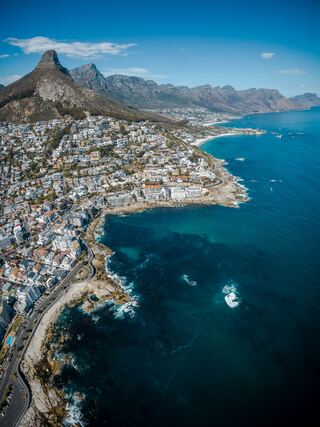
Sometimes referred to as the Mother City, Cape Town is the most famous port in South Africa and is influenced by many different cultures, including Dutch, Briti...
Full description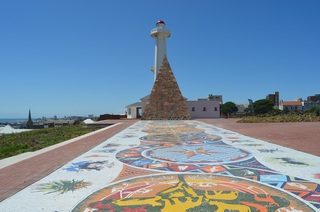
Originally the home of the San and Khoisan people and later the Xhosa tribe, the area now known as Gqeberha (previously Port Elizabeth) became a landing place f...
Full descriptionSouth Africa’s only river port city is situated on the south-east Indian Ocean coast between the Buffalo and Nahoon Rivers. Its location is widely regarded as o...
Full description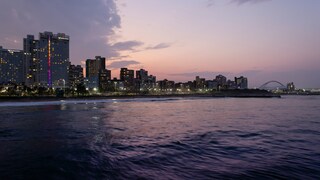
Durban, a glistening jewel on the south-east coast of Africa, is the third largest city in South Africa and the major city of KwaZulu-Natal. It has been a centr...
Full description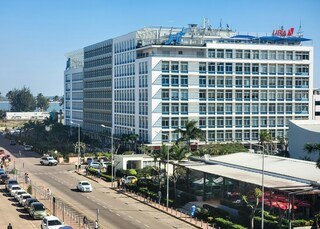
The city of Maputo was founded towards the end of the 18th century, and is influenced by a variety of cultures including Bantu, Arabian and Portuguese. Surround...
Full description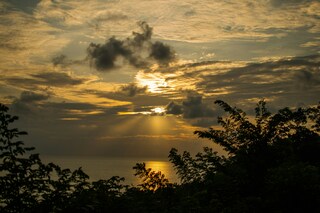
Nosy Bé, meaning Big Island in the Malagasy language, lies just a stone's throw off Madagascar's northwest coast. It is a remote and exotic destination. With it...
Full description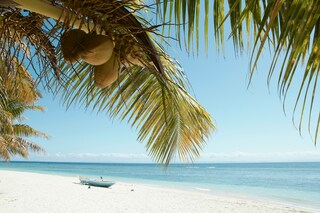

Like jade-coloured jewels in the Indian Ocean, the more than 100 Seychelles Islands are often regarded as the Garden of Eden. Lying just four degrees south of t...
Full description
There are many nations around the world with bragging rights to miles of pristine white coral sand and balmy turquoise seas but few can take it to the same leve...
Full description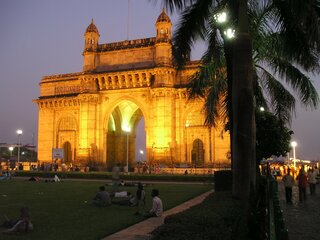
Mumbai, India's financial capital, is a city of contrasts and colors, where towering skyscrapers stand alongside bustling bazaars. From the iconic Gateway of In...
Full description
Sometimes referred to as the Mother City, Cape Town is the most famous port in South Africa and is influenced by many different cultures, including Dutch, Briti...
Full description
Originally the home of the San and Khoisan people and later the Xhosa tribe, the area now known as Gqeberha (previously Port Elizabeth) became a landing place f...
Full descriptionSouth Africa’s only river port city is situated on the south-east Indian Ocean coast between the Buffalo and Nahoon Rivers. Its location is widely regarded as o...
Full description
Durban, a glistening jewel on the south-east coast of Africa, is the third largest city in South Africa and the major city of KwaZulu-Natal. It has been a centr...
Full description
The city of Maputo was founded towards the end of the 18th century, and is influenced by a variety of cultures including Bantu, Arabian and Portuguese. Surround...
Full description
Nosy Bé, meaning Big Island in the Malagasy language, lies just a stone's throw off Madagascar's northwest coast. It is a remote and exotic destination. With it...
Full description
Like jade-coloured jewels in the Indian Ocean, the more than 100 Seychelles Islands are often regarded as the Garden of Eden. Lying just four degrees south of t...
Full description
There are many nations around the world with bragging rights to miles of pristine white coral sand and balmy turquoise seas but few can take it to the same leve...
Full description
Mumbai, India's financial capital, is a city of contrasts and colors, where towering skyscrapers stand alongside bustling bazaars. From the iconic Gateway of In...
Full descriptionCape Town (South Africa)
Sometimes referred to as the Mother City, Cape Town is the most famous port in South Africa and is influenced by many different cultures, including Dutch, British and Malay. The port was founded in 1652 by Dutch explorer Jan Van Riebeeck, and evidence of Dutch colonial rule remains throughout the region. The port is located on one of the world's most important trade routes, and is mainly a container port and handler of fresh fruit. Fishing is another vital industry, with large Asian fishing fleets using Cape Town as a logistical repair base for much of the year. The region is famous for its natural beauty, with the imposing Table Mountain and Lions Head, as well as the many nature reserves and botanical gardens such as Kirstenbosch which boasts an extensive range of indigenous plant life, including proteas and ferns. Cape Town's weather is mercurial, and can change from beautiful sunshine to dramatic thunderstorms within a short period. A local adage is that in Cape Town you can experience four seasons in one day.
Port Elizabeth (South Africa)
Originally the home of the San and Khoisan people and later the Xhosa tribe, the area now known as Gqeberha (previously Port Elizabeth) became a landing place for passing European ships after Portuguese navigator Bartolomew Diaz arrived in Algoa Bay in 1488. As part of the Cape Colony, the British occupied the area during the Napoleonic Wars and it was they who built Fort Frederick here in 1799. Twenty-one years later 4,000 settlers arrived, becoming the first permanent British residents of South Africa and Gqeberha. Sir Rufane Donkin, Acting Governor of the Cape Colony, founded Port Elizabeth, naming the settlement after his late wife. The town underwent rapid growth after 1873 following the construction of the railway to Kimberley, and is now one of the country’s major seaports. Like most South African cities, miles of beautiful coastline surround Gqeberha. Algoa Bay combines warm water and fair breezes, making it a mecca for swimmers and water sports enthusiasts. Those interested in history can follow the Donkin Heritage Trail, past a succession of Victorian and Edwardian town houses, trim gardens and neo-Gothic churches. Just outside the town are a number of game reserves, including the famous Addo Elephant National Park.
East London (South Africa)
South Africa’s only river port city is situated on the south-east Indian Ocean coast between the Buffalo and Nahoon Rivers. Its location is widely regarded as one of the most attractive on the Eastern Cape coast and it is ideally placed for exploring the coast towards Port Elizabeth and the surrounding Transkei region. The city you see today was born when the British-built Fort Glamorgan was constructed here in 1847 and it was British governor Sir Harry Smith who named the town London after the Empire’s capital as an open declaration about its promising position as a port. The town later became East London due to its location on the east of the Buffalo River, and in more recent times is sometimes referred to as Buffalo City. East London is renowned for its superb golden beaches such as Eastern, Orient and Nahoon, both popular with surfers, and a variety of places to dine and drink have sprung up along the bustling beachfront. While the city is predominantly modern you can see a number of historic buildings and monuments such as City Hall, whose clock tower commemorates the Diamond Jubilee of Queen Victoria.
Durban (South Africa)
Durban, a glistening jewel on the south-east coast of Africa, is the third largest city in South Africa and the major city of KwaZulu-Natal. It has been a centre of sea trade since before colonisation and now has a flourishing artistic centre, which perfectly complements the vibrant markets and rich cultures of the city. Durban’s port is a natural half-moon harbour lined with white sand and azure water, punctuated by the port’s many piers which reach into the water like the leaves of a fan. The beaches of Durban’s famous Golden Mile stretch along the harbour and are popular all year round, as travellers and locals alike enjoy Durban’s warm, humid summers and mild, dry winters.
Maputo (Mozambique)
The city of Maputo was founded towards the end of the 18th century, and is influenced by a variety of cultures including Bantu, Arabian and Portuguese. Surrounded by beautiful colonial architecture and stunning natural scenery, it is an ideal base from which to explore the region. The scars from past wars and conflict are still evident, but the city is clearly regenerating, and the original beauty and cultural attractions of the area can easily be appreciated by visitors.
Nosy Bé (Madagascar)
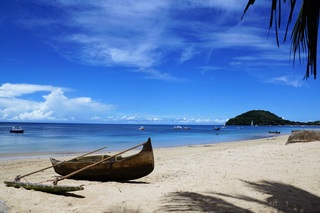
Nosy Bé, meaning Big Island in the Malagasy language, lies just a stone's throw off Madagascar's northwest coast. It is a remote and exotic destination. With its deserted beaches, rustic hotels and unhurried pace, it attracts travellers looking for a laid-back vacation. The fertile island is the centre for the production of perfume essence from the ylang-ylang trees. The heady scent of their flowers gave Nosy Bé the name "Perfumed Isle." Other local products include sugar cane, coffee, vanilla and pepper; they are grown for export in large plantations. Hellville, the island’s main town and port, is situated in a sheltered bay. It is named after a former French governor, Admiral de Hell. The town features a few old colonial buildings, a busy market, some small boutiques and tourist shops along the busy main street. At the quayside, vendors display embroidered linens, wood carvings and straw articles. Trips into the lush countryside may include a ride up to Mt. Passot. At 950 feet (285 metres), this is the highest point on the island. The view from the top offers an extensive panorama of crater lakes nestled between verdant hills. Most visitors make the boat trip to Nosy Komba. The tiny island is known for its lemur reserve. These arboreal primates, with their large eyes, soft fur and long curling tails, have lived unharmed for centuries in the forest behind Ampangorina village. The lemurs are a popular tourist attraction and a profitable source of income to the small local community.
Mahé (Seychelles)
Like jade-coloured jewels in the Indian Ocean, the more than 100 Seychelles Islands are often regarded as the Garden of Eden. Lying just four degrees south of the equator, the Seychelles are some 1,000 miles (1,610 km) from the nearest mainland Africa. Little more than 200 years ago, all 115 islands were uninhabited. Then in 1742 a French ship dispatched from Mauritius sailed into one of the small bays. Captain Lazare Picault was the first to explore these unnamed islands. He encountered breathtaking vistas of rugged mountains, lagoons, coral atolls, splendid beaches and secluded coves. After Picault sailed away, the islands remained untouched for the next 14 years. Then France took possession of the seven islands in the Mahé group. During an expedition Captain Morphey named them the Sechelles, in honour of Vicomte Moreau de Sechelles. This name was later anglicised to Seychelles. The first settlers arrived at St. Anne’s Island in 1770; 15 years later the population of Mahé consisted of seven Europeans and 123 slaves. Today there are about 80,000 Seychellois, the majority of whom live on Mahé; the rest are scattered in small communities throughout the archipelago. The people are a fusion of three continents - Africa, Asia and Europe. This has created a unique culture and the use of three languages - Creole, French and English. Mahé is the largest island in the archipelago and the location of the capital, Victoria. Ringed by steep, magnificent mountains, few capitals can claim a more beautiful backdrop. The town features a mixture of modern and indigenous architecture; it is the centre of business and commerce thanks to the extensive port facilities. Noteworthy sites in Victoria are the museum, cathedral, government house, clock tower, botanical gardens and an open-air market. The major attractions are found outside of town where the island’s quiet, lazy atmosphere delights visitors. With 68 pristine, white sand beaches, Mahé boasts more beaches and tourist facilities than any of the other Seychelles Islands. Beautiful and remote Mahé with its green-clad mountains and palm-fringed beaches is indeed an island of abundance; pleasant surprises are around every bend in the trail. Come ashore and discover for yourself this marvellous island paradise.
Male (Maldives)
There are many nations around the world with bragging rights to miles of pristine white coral sand and balmy turquoise seas but few can take it to the same level as the Maldives. Its 1,200 islands are spread out over 26 coral atolls; the combined land of all the islands is little more than 100 square miles. That means you are rarely more than a few steps from the beach. Many of the villas are actually built on stilts out over the water, so you may actually have to walk onshore in order to get to the beach. Besides curling your toes in the sand, many people come here to sample the Maldives enviable world-class dive spots. Others simply snorkel among the endless coral reefs. There are so many coral atolls here that our English word derives from the Maldivian name atholhu.
Mumbai (Ex Bombay) (India)
Mumbai, India's financial capital, is a city of contrasts and colors, where towering skyscrapers stand alongside bustling bazaars. From the iconic Gateway of India to the vibrant street food scene of Chowpatty Beach, it's a melting pot of cultures and cuisines. The heartbeat of Bollywood echoes through its bustling streets, while historic landmarks like the Elephanta Caves whisper tales of bygone eras. With its bustling local trains and bustling markets, Mumbai is a city that never sleeps, where dreams are pursued against the backdrop of the Arabian Sea's shimmering waters.
Date & price
Prices for this sailing aren't online. Ask us and we'll check them for you.