
Summary
Itinerary & Map
The infinite variety of street life, the nooks and crannies of the medieval Barri Gòtic, the ceramic tile and stained glass of Art Nouveau facades, the art and...
Full description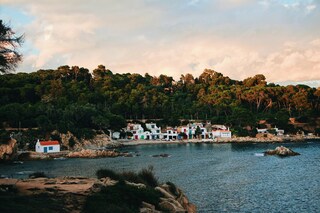
One of the best ways to arrive in Catalonia is by sea, especially via the Costa Brava. This coastline, also known as the Rugged or Wild Coast, stretches from Bl...
Full description
The fishing village of Sète serves as gateway to Montpellier, in the North. Other noteworthy destinations in this area include Carcassone, Aigues Mortes, the Ab...
Full description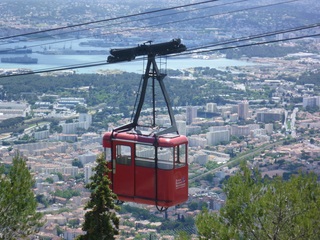
Cannes is pampered with the luxurious year-round climate that has made it one of the most popular resorts in Europe. Cannes was an important sentinel site for t...
Full description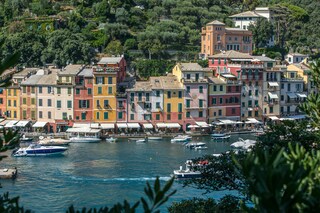
One of the most photographed villages along the coast, with a decidedly romantic and affluent aura, Portofino has long been a popular destination for the rich a...
Full description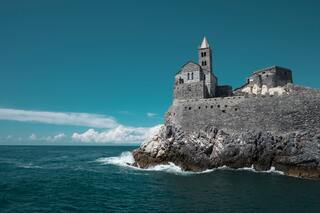
La Spezia is sometimes thought of as nothing but a large, industrialized naval port en route to the Cinque Terre and Portovenere, but it does possess some charm...
Full description
Amid the resorts of Sardinia's northeastern coast, Olbia, a town of about 60,000, is a lively little seaport and port of call for mainland ferries at the head o...
Full description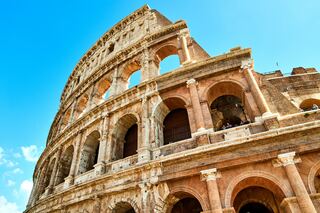
Italy's vibrant capital lives in the present, but no other city on earth evokes its past so powerfully. For over 2,500 years, emperors, popes, artists, and comm...
Full description
The infinite variety of street life, the nooks and crannies of the medieval Barri Gòtic, the ceramic tile and stained glass of Art Nouveau facades, the art and...
Full description
One of the best ways to arrive in Catalonia is by sea, especially via the Costa Brava. This coastline, also known as the Rugged or Wild Coast, stretches from Bl...
Full description
The fishing village of Sète serves as gateway to Montpellier, in the North. Other noteworthy destinations in this area include Carcassone, Aigues Mortes, the Ab...
Full description
Cannes is pampered with the luxurious year-round climate that has made it one of the most popular resorts in Europe. Cannes was an important sentinel site for t...
Full description
One of the most photographed villages along the coast, with a decidedly romantic and affluent aura, Portofino has long been a popular destination for the rich a...
Full description
La Spezia is sometimes thought of as nothing but a large, industrialized naval port en route to the Cinque Terre and Portovenere, but it does possess some charm...
Full description
Amid the resorts of Sardinia's northeastern coast, Olbia, a town of about 60,000, is a lively little seaport and port of call for mainland ferries at the head o...
Full description
Italy's vibrant capital lives in the present, but no other city on earth evokes its past so powerfully. For over 2,500 years, emperors, popes, artists, and comm...
Full descriptionBarcelona (Spain)
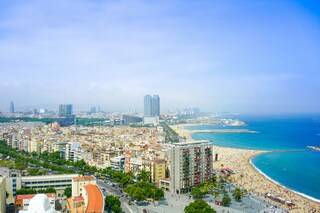
The infinite variety of street life, the nooks and crannies of the medieval Barri Gòtic, the ceramic tile and stained glass of Art Nouveau facades, the art and music, the throb of street life, the food (ah, the food!)—one way or another, Barcelona will find a way to get your full attention. The capital of Catalonia is a banquet for the senses, with its beguiling mix of ancient and modern architecture, tempting cafés and markets, and sun-drenched Mediterranean beaches. A stroll along La Rambla and through waterfront Barceloneta, as well as a tour of Gaudí's majestic Sagrada Famíliaand his other unique creations, are part of a visit to Spain's second-largest city. Modern art museums and chic shops call for attention, too. Barcelona's vibe stays lively well into the night, when you can linger over regional wine and cuisine at buzzing tapas bars.
Palamós (Spain)
One of the best ways to arrive in Catalonia is by sea, especially via the Costa Brava. This coastline, also known as the Rugged or Wild Coast, stretches from Blanes to the French border. Its name aptly refers to the steep cliff of ancient twisted rocks, which runs its entire length and is bounded inland by the Catalan mountain ranges. The intensity of the coast’s colour, the ruggedness of the rocks and the scent of the plants all combine to add to its attraction. The history of this region is long and varied. Traces can be found of the advanced culture of the Iberians, Greeks, Romans, Visigoths and Arabs. With Wilfred I and the independence of Catalan countries, the Catalan dynasty was born. Later, in 1479, Catalonia became a part of unified Spain following the marriage of Isabel, Queen of Castile, and Fernando, King of Aragon. The port of Palamos, some 36 miles northeast of Barcelona, has been in existence for nearly 700 years thanks to its location on one of the deepest natural bays in the western Mediterranean. The town itself is the southernmost of a series of resorts popular with sun worshippers. For the most part, Palamos has managed to retain some of the charm of a fishing village. The port also serves as a gateway to such inland locations as Girona, the capital of the province. Art lovers may want to visit Figueras, famous for its bizarre Teatre-Museu Dali, the foremost of a series of sites associated with the eccentric surrealist artist, Salvador Dali. If you choose to stay in Palamos, you can enjoy the pleasant atmosphere of the town or spend some time at a nearby beach. The town has a long seagoing tradition and busy harbour. The fish auction, prompted by the arrival of the fishing boats, is a spectacle worth seeing. The Fishing Museum illustrates the history and the life of the families who live off the sea.
Sète (France)
The fishing village of Sète serves as gateway to Montpellier, in the North. Other noteworthy destinations in this area include Carcassone, Aigues Mortes, the Abbaye de Fontfroide, and Pezenas. For a look at the real fisherman's life, however, stay right where you are. Sète is the Mediterranean's biggest fishing port. Canals winding through town make it fun to stroll around, and there are a number of good walking paths leading to the beach (about 30 minutes to the west). Although it's small and unspectacular, Plage de la Corniche has calm, pristine waters that are perfect for swimming. For a panoramic view of the area, climb Mont St-Clair or Les Pierres Blanches and pick a beach to settle down on.
Cannes (France)
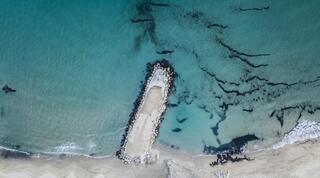
Cannes is pampered with the luxurious year-round climate that has made it one of the most popular resorts in Europe. Cannes was an important sentinel site for the monks who established themselves on Île St-Honorat in the Middle Ages. Its bay served as nothing more than a fishing port until in 1834 an English aristocrat, Lord Brougham, fell in love with the site during an emergency stopover with a sick daughter. He had a home built here and returned every winter for a sun cure—a ritual quickly picked up by his peers. Between the popularity of Le Train Blue transporting wealthy passengers from Calais, and the introduction in 1936 of France's first paid holidays, Cannes became the destination, a tasteful and expensive breeding ground for the upper-upscale.Cannes has been further glamorized by the ongoing success of its annual film festival, as famous as Hollywood's Academy Awards. About the closest many of us will get to feeling like a film star is a stroll here along La Croisette, the iconic promenade that gracefully curves the wave-washed sand coastline, peppered with chic restaurants and prestigious private beaches. This is precisely the sort of place for which the French invented the verb flâner (to dawdle, saunter): strewn with palm trees and poseurs, its fancy boutiques and status-symbol grand hotels—including the Carlton, the legendary backdrop to Grace Kelly in To Catch a Thief —all vying for the custom of the Louis Vuitton set. This legend is, to many, the heart and soul of the Côte d'Azur.
Portofino (Italy)
One of the most photographed villages along the coast, with a decidedly romantic and affluent aura, Portofino has long been a popular destination for the rich and famous. Once an ancient Roman colony and taken by the Republic of Genoa in 1229, it’s also been ruled by the French, English, Spanish, and Austrians, as well as by marauding bands of 16th-century pirates. Elite British tourists first flocked to the lush harbor in the mid-1800s. Some of Europe's wealthiest drop anchor in Portofino in summer, but they stay out of sight by day, appearing in the evening after buses and boats have carried off the day-trippers.There's not actually much to do in Portofino other than stroll around the wee harbor, see the castle, walk to Punta del Capo, browse at the pricey boutiques, and sip a coffee while people-watching. However, weaving through picture-perfect cliffside gardens and gazing at yachts framed by the sapphire Ligurian Sea and the cliffs of Santa Margherita can make for quite a relaxing afternoon. There are also several tame, photo-friendly hikes into the hills to nearby villages.Unless you're traveling on a deluxe budget, you may want to stay in Camogli or Santa Margherita Ligure rather than at one of Portofino's few very expensive hotels. Restaurants and cafés are good but also pricey (don't expect to have a beer here for much under €10).
La Spezia (Italy)
La Spezia is sometimes thought of as nothing but a large, industrialized naval port en route to the Cinque Terre and Portovenere, but it does possess some charm, and it gives you a look at a less tourist-focused part of the Riviera. Its palm-lined promenade, fertile citrus parks, renovated Liberty-style palazzos, and colorful balcony-lined streets make parts of La Spezia surprisingly beautiful. Monday through Saturday mornings, you can stroll through the fresh fish, produce, and local-cheese stalls at the outdoor market on Piazza Cavour, and on Friday take part in the busy flea market on Via Garibaldi. There's also Porto Mirabello, a newly built tourist port with a pool club, shops, and several restaurants that overlook the fleet of super-yachts.
Olbia (Italy)
Amid the resorts of Sardinia's northeastern coast, Olbia, a town of about 60,000, is a lively little seaport and port of call for mainland ferries at the head of a long, wide bay.San SimplicioOlbia's little Catholic basilica, a short walk behind the main Corso Umberto and past the train station, is worth searching out if you have any spare time in Olbia. The simple granite structure dates from the 11th century, part of the great Pisan church-building program, using pillars and columns recycled from Roman buildings. The basilica has a bare, somewhat somber interior, its three naves separated by a series of arches.
Civitavecchia (Italy)
Italy's vibrant capital lives in the present, but no other city on earth evokes its past so powerfully. For over 2,500 years, emperors, popes, artists, and common citizens have left their mark here. Archaeological remains from ancient Rome, art-stuffed churches, and the treasures of Vatican City vie for your attention, but Rome is also a wonderful place to practice the Italian-perfected il dolce far niente, the sweet art of idleness. Your most memorable experiences may include sitting at a caffè in the Campo de' Fiori or strolling in a beguiling piazza.
Date & price
Departs
Sat 22 Jul 2028
from £6,869 pp
Enquire now Call 020 7590 0610Per person, based on two sharing, cruise only. Updated daily and confirmed when you book.