
Summary
Itinerary & Map
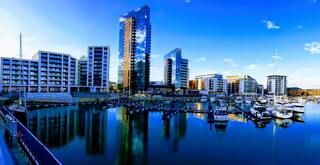
Lying near the head of Southampton Water, a peninsula between the estuaries of the Rivers Test and Itchen, Southampton is Britain’s largest cruise port. It has...
Full description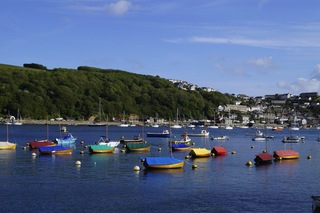
Nestled in the mouth of a wooded estuary, Fowey (pronounced Foy) is still very much a working china-clay port as well as a focal point for the sailing fraternit...
Full description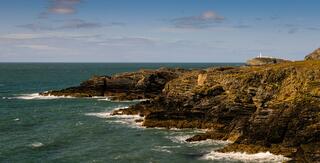
Once a northern defense post against Irish raiders, Holyhead later became best known as a ferry port for Ireland. The dockside bustle is not matched by the town...
Full description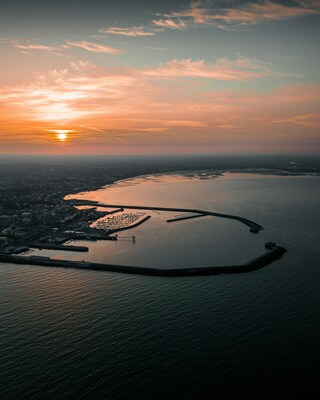
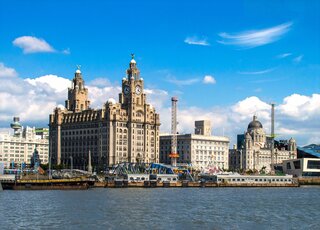
From world-class attractions and sports to legendary music, Liverpool offers old-world charm with modern sophistication, underpinned by a rich cultural history.
Full description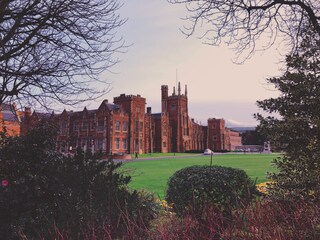
Before English and Scottish settlers arrived in the 1600s, Belfast was a tiny village called Béal Feirste ("sandbank ford") belonging to Ulster's ancient O'Neil...
Full description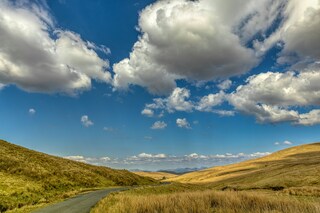
Trendy stores, a booming cultural life, fascinating architecture, and stylish restaurants reinforce Glasgow's claim to being Scotland's most exciting city. Afte...
Full description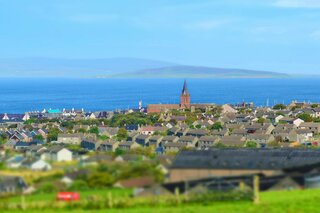
In bustling Kirkwall, the main town on Orkney, there's plenty to see in the narrow, winding streets extending from the harbor. The cathedral and some museums ar...
Full description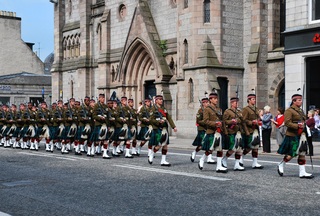
With close to 220,000 inhabitants, Aberdeen is Scotland's third most populous city. Locally quarried grey granite was used during the mid-18th to mid-20th centu...
Full description
Lying near the head of Southampton Water, a peninsula between the estuaries of the Rivers Test and Itchen, Southampton is Britain’s largest cruise port. It has...
Full description
Nestled in the mouth of a wooded estuary, Fowey (pronounced Foy) is still very much a working china-clay port as well as a focal point for the sailing fraternit...
Full description
Once a northern defense post against Irish raiders, Holyhead later became best known as a ferry port for Ireland. The dockside bustle is not matched by the town...
Full description
From world-class attractions and sports to legendary music, Liverpool offers old-world charm with modern sophistication, underpinned by a rich cultural history.
Full description
Before English and Scottish settlers arrived in the 1600s, Belfast was a tiny village called Béal Feirste ("sandbank ford") belonging to Ulster's ancient O'Neil...
Full description
Trendy stores, a booming cultural life, fascinating architecture, and stylish restaurants reinforce Glasgow's claim to being Scotland's most exciting city. Afte...
Full description
In bustling Kirkwall, the main town on Orkney, there's plenty to see in the narrow, winding streets extending from the harbor. The cathedral and some museums ar...
Full description
With close to 220,000 inhabitants, Aberdeen is Scotland's third most populous city. Locally quarried grey granite was used during the mid-18th to mid-20th centu...
Full description
Southampton (England)
Lying near the head of Southampton Water, a peninsula between the estuaries of the Rivers Test and Itchen, Southampton is Britain’s largest cruise port. It has been one of England’s major ports since the Middle Ages, when it exported wool and hides from the hinterland and imported wine from Bordeaux. The city suffered heavy damage during World War Two and as a result the centre has been extensively rebuilt, but there are still some interesting medieval buildings including the Bargate, one of the finest city gatehouses in England.
Fowey (England)
Nestled in the mouth of a wooded estuary, Fowey (pronounced Foy) is still very much a working china-clay port as well as a focal point for the sailing fraternity. Increasingly, it's also a favored home of the rich and famous. Good and varied dining and lodging options abound; these are most in demand during Regatta Week in mid- to late August and the annual Fowey Festival of Words and Music in mid-May. The Bodinnick and Polruan ferries take cars as well as foot passengers across the river for the coast road on to Looe.A few miles west of Fowey are a pair of very different gardens: the Eden Project, a futuristic display of plants from around the world, and the Lost Gardens of Heligan, a revitalized reminder of the Victorian age.
Holyhead (Wales)
Once a northern defense post against Irish raiders, Holyhead later became best known as a ferry port for Ireland. The dockside bustle is not matched by the town, however, which maintains just a small population. Nonetheless, thousands of years of settlement have given Holyhead rich historical ruins to explore, with more in the surrounding hiking friendly landscape.
Liverpool (England)
From world-class attractions and sports to legendary music, Liverpool offers old-world charm with modern sophistication, underpinned by a rich cultural history.
Belfast (Northern Ireland)
Before English and Scottish settlers arrived in the 1600s, Belfast was a tiny village called Béal Feirste ("sandbank ford") belonging to Ulster's ancient O'Neill clan. With the advent of the Plantation period (when settlers arrived in the 1600s), Sir Arthur Chichester, from Devon in southwestern England, received the city from the English Crown, and his son was made Earl of Donegall. Huguenots fleeing persecution from France settled near here, bringing their valuable linen-work skills. In the 18th century, Belfast underwent a phenomenal expansion—its population doubled every 10 years, despite an ever-present sectarian divide. Although the Anglican gentry despised the Presbyterian artisans—who, in turn, distrusted the native Catholics—Belfast's growth continued at a dizzying speed. The city was a great Victorian success story, an industrial boomtown whose prosperity was built on trade, especially linen and shipbuilding. Famously (or infamously), the Titanic was built here, giving Belfast, for a time, the nickname "Titanic Town." Having laid the foundation stone of the city's university in 1845, Queen Victoria returned to Belfast in 1849 (she is recalled in the names of buildings, streets, bars, monuments, and other places around the city), and in the same year, the university opened under the name Queen's College. Nearly 40 years later, in 1888, Victoria granted Belfast its city charter. Today its population is nearly 300,000, tourist numbers have increased, and this dramatically transformed city is enjoying an unparalleled renaissance.This is all a welcome change from the period when news about Belfast meant reports about "the Troubles." Since the 1994 ceasefire, Northern Ireland's capital city has benefited from major hotel investment, gentrified quaysides (or strands), a sophisticated new performing arts center, and major initiatives to boost tourism. Although the 1996 bombing of offices at Canary Wharf in London disrupted the 1994 peace agreement, the ceasefire was officially reestablished on July 20, 1997, and this embattled city began its quest for a newfound identity.Since 2008, the city has restored all its major public buildings such as museums, churches, theaters, City Hall, Ulster Hall—and even the glorious Crown Bar—spending millions of pounds on its built heritage. A gaol that at the height of the Troubles held some of the most notorious murderers involved in paramilitary violence is now a major visitor attraction.Belfast's city center is made up of three roughly contiguous areas that are easy to navigate on foot. From the south end to the north, it's about an hour's leisurely walk.
Greenock (Scotland)
Trendy stores, a booming cultural life, fascinating architecture, and stylish restaurants reinforce Glasgow's claim to being Scotland's most exciting city. After decades of decline, it has experienced an urban renaissance uniquely its own. The city’s grand architecture reflects a prosperous past built on trade and shipbuilding. Today buildings by Charles Rennie Mackintosh hold pride of place along with the Zaha Hadid–designed Riverside Museum.Glasgow (the "dear green place," as it was known) was founded some 1,500 years ago. Legend has it that the king of Strathclyde, irate about his wife's infidelity, had a ring he had given her thrown into the river Clyde. (Apparently she had passed it on to an admirer.) When the king demanded to know where the ring had gone, the distraught queen asked the advice of her confessor, St. Mungo. He suggested fishing for it—and the first salmon to emerge had the ring in its mouth. The moment is commemorated on the city's coat of arms.The medieval city expanded when it was given a royal license to trade; the current High Street was the main thoroughfare at the time. The vast profits from American cotton and tobacco built the grand mansions of the Merchant City in the 18th century. In the 19th century the river Clyde became the center of a vibrant shipbuilding industry, fed by the city’s iron and steel works. The city grew again, but its internal divisions grew at the same time. The West End harbored the elegant homes of the newly rich shipyard owners. Down by the river, areas like the infamous Gorbals, with its crowded slums, sheltered the laborers who built the ships. They came from the Highlands, expelled to make way for sheep, or from Ireland, where the potato famines drove thousands from their homes.During the 19th century the population grew from 80,000 to more than a million. And the new prosperity gave Glasgow its grand neoclassical buildings, such as those built by Alexander "Greek" Thomson, as well as the adventurous visionary buildings designed by Charles Rennie Mackintosh and others who produced Glasgow’s Arts and Crafts movement. The City Chambers, built in 1888, are a proud statement in marble and gold sandstone, a clear symbol of the wealthy and powerful Victorian industrialists' hopes for the future.The decline of shipbuilding and the closure of the factories led to much speculation as to what direction the city would take now. The curious thing is that, at least in part, the past gave the city a new lease of life. It was as if people looked at their city and saw Glasgow’s beauty for the first time: its extraordinarily rich architectural heritage, its leafy parks, its artistic heritage, and its complex social history. Today Glasgow is a vibrant cultural center and a commercial hub, as well as a launching pad from which to explore the rest of Scotland, which, as it turns out, is not so far away. In fact, it takes only 40 minutes to reach Loch Lomond, where the other Scotland begins.
Kirkwall, Orkney Islands (Scotland)
In bustling Kirkwall, the main town on Orkney, there's plenty to see in the narrow, winding streets extending from the harbor. The cathedral and some museums are highlights.
Aberdeen (Scotland)
With close to 220,000 inhabitants, Aberdeen is Scotland's third most populous city. Locally quarried grey granite was used during the mid-18th to mid-20th centuries for many of Aberdeen's buildings, and hence the nicknames it has earned as the Granite City, or the Grey City. Aberdeen granite was also used to build the terraces of the Houses of Parliament and Waterloo Bridge in London. Since the discovery of North Sea oil in the 1970s, Aberdeen has also been called the Oil Capital of Europe or the Energy Capital of Europe. It is no wonder that because of the oil fields in the North Sea, Aberdeen's seaport is very important. The Heliport with its flights to the oil fields is one of the busiest commercial heliports in the world.
Date & price
Departs
Mon 10 May 2027
from £8,369 pp
Enquire now Call 020 7590 0610Per person, based on two sharing, cruise only. Updated daily and confirmed when you book.