
Summary
Itinerary & Map
With close to 220,000 inhabitants, Aberdeen is Scotland's third most populous city. Locally quarried grey granite was used during the mid-18th to mid-20th centu...
Full description
With close to 220,000 inhabitants, Aberdeen is Scotland's third most populous city. Locally quarried grey granite was used during the mid-18th to mid-20th centu...
Full description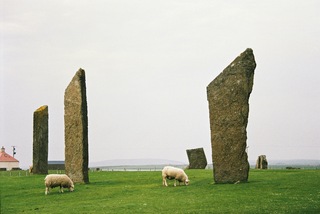
Almost half way between Tromsø and Svalbard is isolated Bear Island – considered the southernmost island of the Svalbard Archipelago. The unglaciated island is...
Full description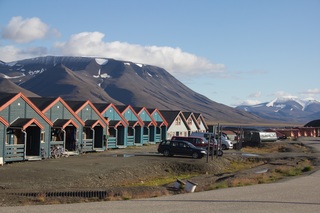
Bellsund is a 20km sound in Norway’s Svalbard archipelago. It is distinctly cut into two branches, the fjords Van Mijenfjorden and Van Keulenfjorden which toget...
Full description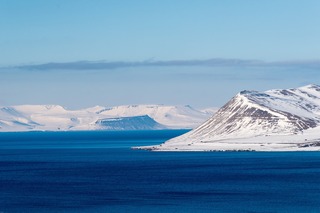
Longyearbyen is the biggest settlement in Svalbard. Seat of the Norwegian administration, it also has the best services and infrastructure in the archipelago. L...
Full description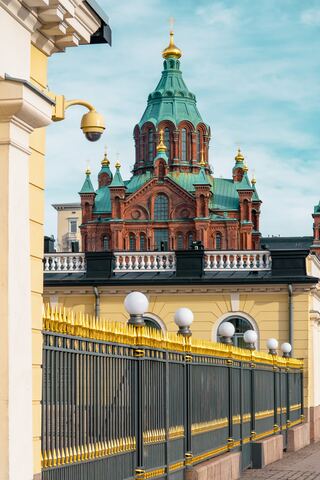
A city of the sea, Helsinki was built along a series of oddly shaped peninsulas and islands jutting into the Baltic coast along the Gulf of Finland. Streets and...
Full description
With close to 220,000 inhabitants, Aberdeen is Scotland's third most populous city. Locally quarried grey granite was used during the mid-18th to mid-20th centu...
Full description
With close to 220,000 inhabitants, Aberdeen is Scotland's third most populous city. Locally quarried grey granite was used during the mid-18th to mid-20th centu...
Full description
Almost half way between Tromsø and Svalbard is isolated Bear Island – considered the southernmost island of the Svalbard Archipelago. The unglaciated island is...
Full description
Bellsund is a 20km sound in Norway’s Svalbard archipelago. It is distinctly cut into two branches, the fjords Van Mijenfjorden and Van Keulenfjorden which toget...
Full description
Longyearbyen is the biggest settlement in Svalbard. Seat of the Norwegian administration, it also has the best services and infrastructure in the archipelago. L...
Full description
A city of the sea, Helsinki was built along a series of oddly shaped peninsulas and islands jutting into the Baltic coast along the Gulf of Finland. Streets and...
Full descriptionAberdeen
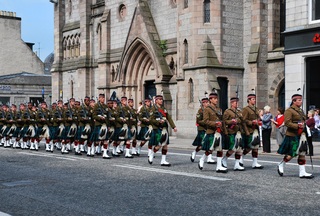
With close to 220,000 inhabitants, Aberdeen is Scotland's third most populous city. Locally quarried grey granite was used during the mid-18th to mid-20th centuries for many of Aberdeen's buildings, and hence the nicknames it has earned as the Granite City, or the Grey City. Aberdeen granite was also used to build the terraces of the Houses of Parliament and Waterloo Bridge in London. Since the discovery of North Sea oil in the 1970s, Aberdeen has also been called the Oil Capital of Europe or the Energy Capital of Europe. It is no wonder that because of the oil fields in the North Sea, Aberdeen's seaport is very important. The Heliport with its flights to the oil fields is one of the busiest commercial heliports in the world.
Bear Island
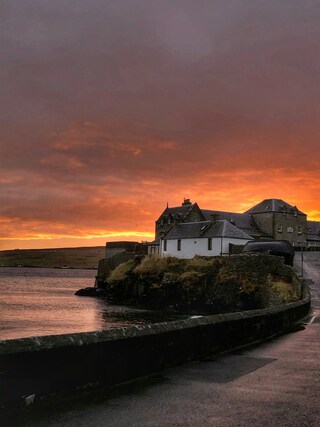
Almost half way between Tromsø and Svalbard is isolated Bear Island – considered the southernmost island of the Svalbard Archipelago. The unglaciated island is an impressive Nature Reserve of steep, high cliffs that are frequented by seabirds, specifically at the southern tip. Brünnich’s Guillemots, Common Guillemots, Black Guillemots, Razorbills, Little Auks, Northern Fulmars, Glaucous Gulls, Black-legged Kittiwakes, and even Atlantic Puffins and Northern Gannets nest along the cliffs south of Sørhamna. Because of the large numbers of birds and the isolated location, Bear Island has been recognized as an Important Bird Area. It was once a hotspot for whaling and walrus hunting, and at one stage even mining. Bear Island received its name because of a polar bear encountered by early explorer Willem Barentsz. Today polar bears rarely visit the island and its only settlement is a meteorological station manned all-year round on the north side.
Bellsund
Bellsund is a 20km sound in Norway’s Svalbard archipelago. It is distinctly cut into two branches, the fjords Van Mijenfjorden and Van Keulenfjorden which together offer a stunning journey. You’ll be dwarfed by the high mountains which characterise the landscape along with rich wildlife that thrives in such diverse conditions.
Longyearbyen
Longyearbyen is the biggest settlement in Svalbard. Seat of the Norwegian administration, it also has the best services and infrastructure in the archipelago. Located deep in the Adventfjord, a sidearm of the Isfjorden (Icefjord), Longyearbyen’s airport can be used all-year round, but its harbor is blocked by ice in winter. Most shops, hotels, restaurants and a hospital are within easy walking distance of the port. One of the most prominent buildings in town is the UNIS center, where several Norwegian universities have joined forces to operate and offer the northernmost higher education to both Norwegian and international students. Adjacent to UNIS, and well worth a visit, is the Svalbard Museum, covering the natural history and exploitation of Svalbard. Remnants of the former mining activity can be seen all around Longyearbyen and even in town.
Helsinki
A city of the sea, Helsinki was built along a series of oddly shaped peninsulas and islands jutting into the Baltic coast along the Gulf of Finland. Streets and avenues curve around bays, bridges reach to nearby islands, and ferries ply among offshore islands.Having grown dramatically since World War II, Helsinki now absorbs more than one-tenth of the Finnish population. The metro area covers 764 square km (474 square miles) and 315 islands. Most sights, hotels, and restaurants cluster on one peninsula, forming a compact central hub. The greater Helsinki metropolitan area, which includes Espoo and Vantaa, has a total population of more than a million people.Helsinki is a relatively young city compared with other European capitals. In the 16th century, King Gustav Vasa of Sweden decided to woo trade from the Estonian city of Tallinn and thus challenge the Hanseatic League's monopoly on Baltic trade. Accordingly, he commanded the people of four Finnish towns to pack up their belongings and relocate to the rapids on the River Vantaa. The new town, founded on June 12, 1550, was named Helsinki.For three centuries, Helsinki (Helsingfors in Swedish) had its ups and downs as a trading town. Turku, to the west, remained Finland's capital and intellectual center. However, Helsinki's fortunes improved when Finland fell under Russian rule as an autonomous grand duchy. Czar Alexander I wanted Finland's political center closer to Russia and, in 1812, selected Helsinki as the new capital. Shortly afterward, Turku suffered a disastrous fire, forcing the university to move to Helsinki. The town's future was secure.Just before the czar's proclamation, a fire destroyed many of Helsinki's traditional wooden structures, precipitating the construction of new buildings suitable for a nation's capital. The German-born architect Carl Ludvig Engel was commissioned to rebuild the city, and as a result, Helsinki has some of the purest neoclassical architecture in the world. Add to this foundation the influence of Stockholm and St. Petersburg with the local inspiration of 20th-century Finnish design, and the result is a European capital city that is as architecturally eye-catching as it is distinct from other Scandinavian capitals. You are bound to discover endless engaging details—a grimacing gargoyle; a foursome of males supporting a balcony's weight on their shoulders; a building painted in striking colors with contrasting flowers in the windows. The city's 400 or so parks make it particularly inviting in summer.Today, Helsinki is still a meeting point of eastern and western Europe, which is reflected in its cosmopolitan image, the influx of Russians and Estonians, and generally multilingual population. Outdoor summer bars ("terrassit" as the locals call them) and cafés in the city center are perfect for people watching on a summer afternoon.
Dates & prices
Select guest
Departs
Thu 4 May 2028
from £10,329 pp
Enquire now Call 020 7590 0610Per person, based on two sharing, cruise only. Updated daily and confirmed when you book.