
Summary
In alliance with Smithsonian Journeys.
This cruise is part of a collection of PONANT voyages that are specially-tailored for English-speaking travelers who want to engage with the world. In addition to the usual elements of the PONANT experience, the listed price for these voyages includes transfers to and from the ship, talks and discussions aboard ship by world class experts, and a shore excursion or activity in each port of call that encourages guests to embrace the sights, sounds, tastes, and smells of the local environment and culture.Australia’s The Kimberley is one of the world’s last great wilderness frontiers—a vast, sparsely populated region of sandstone escarpments, mangroves, and myriad islands. Wildlife thrives here, from saltwater crocodiles and sea turtles to dolphins, seabirds, and migratory whales. It is also home to some of Australia’s oldest Indigenous communities. This expedition from Darwin to Broome provides ample time to experience The Kimberley in all its variety, with the added attraction of a total solar eclipse.Sailing west from Darwin, your first day is spent getting acquainted with the ship and its amenities and attending lectures and discussions with your Smithsonian experts and the ship's expedition team as Le Jacques Cartier cruises through the Timor Sea to reach the Bonaparte Archipelago. Bigge Island, the largest in this maze of islands stretching nearly 100 miles along the Kimberley coast and Swift Bay are famous for shelters and caves filled with stunning rock art paintings, some of which date back more than 12,000 years, and many of which, maintained by the Indigenous peoples of the region, are both cultural artifacts and part of a living heritage.Your time in the Bonaparte Archipelago will be punctuated by perhaps the highlight of this expedition, when, on the morning of July 22, just off the coast of Bigge Island a Total Solar Eclipse begins at 9:17 a.m., at which time Le Jacques Cartier will be positioned within 50 miles of the point of greatest duration, where totality will last over 5 minutes and where, weather permitting, you may witness the corona.On the sixth day of the voyage, enter one of the most scenic parts of the Kimberley coast—Prince Frederick Harbour and the Hunter River. This area is home to pristine forests containing as many as 18 different species of mangrove that support a rich diversity of fauna, including the iconic saltwater crocodile, white-bellied sea eagles, and kingfishers. Explore this remarkable environment by Zodiac® on excursions led by the ship's expert naturalists.Careening Bay, so named because it is where the HMS Mermaid laid up for repairs in 1820, offers an opportunity to see the "Mermaid Boab"—the tree in which the crew of the Mermaid carved the ship's name and date, now grown to ten feet wide and listed as a National Heritage Site.The next two days are devoted to witnessing the awesome power of The Kimberley's massive tidal movements. Montgomery Reef is a spectacular example of their impact—as the tide ebbs, the entire reef appears to rise from the ocean, and water cascades off the reef to reveal shallow lagoons, seagrass beds, and corals. Cruise along the reef in Zodiac®, spotting turtles, reef sharks, and rays. Further to the south and west, Talbot Bay is home to the "Horizontal Falls," which Sir David Attenborough has described as "one of the greatest wonders of the natural world.” The falls are created by two short and narrow gorges where tidal waters build up faster on one side or the other than they can flow through, producing a cascade up to 13 feet high and creating the conditions for an exciting ride on the tidal rapids.The final day of the expedition is spent exploring the Lacepede Islands, a protected nature reserve and one of Australia’s most important seabird breeding grounds. The colony of Brown Boobies is possibly the largest in the world, and as many as 20,000 Roseate Terns have also been recorded here. Other bird species breeding on the islands include Masked Boobies, Australian Pelicans, Lesser Frigatebirds, Eastern Reef Egrets, Silver Gulls, and Crested, Bridled and Lesser Crested Terns. In addition to the bird population, the waters surrounding the islands are a nursery for green sea turtles. Landings are prohibited here, but the expedition team will lead Zodiac® tours to view the prolific wildlife.Itinerary & Map
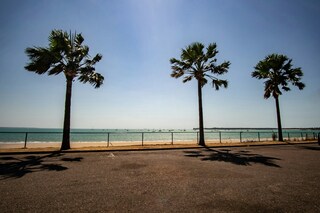
Darwin is Australia's most colorful, and exotic, capital city. Surrounded on three sides by the turquoise waters of the Timor Sea, the streets are lined with tr...
Full description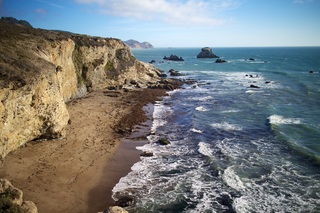
The Bonaparte Archipelago is a rugged maze of islands that stretch almost 150km along Western Australia’s remote Kimberley coast. Remaining relatively unspoilt...
Full description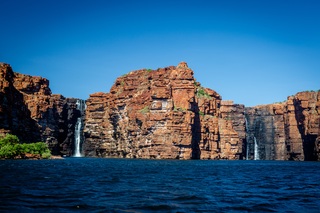
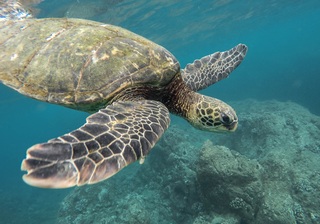
The Lacepedes are a group of four islands, perfectly nestled off the Kimberley coast. The islands are imperative to Australia’s rich wildlife as they are key br...
Full descriptionBroome, a coastal town in Western Australia, is famous for its stunning beaches, rich history, and vibrant culture. Located on the Indian Ocean, it boasts Cable...
Full description
Darwin is Australia's most colorful, and exotic, capital city. Surrounded on three sides by the turquoise waters of the Timor Sea, the streets are lined with tr...
Full description
The Bonaparte Archipelago is a rugged maze of islands that stretch almost 150km along Western Australia’s remote Kimberley coast. Remaining relatively unspoilt...
Full description
The Lacepedes are a group of four islands, perfectly nestled off the Kimberley coast. The islands are imperative to Australia’s rich wildlife as they are key br...
Full descriptionBroome, a coastal town in Western Australia, is famous for its stunning beaches, rich history, and vibrant culture. Located on the Indian Ocean, it boasts Cable...
Full descriptionDarwin, Northern Territory
Darwin is Australia's most colorful, and exotic, capital city. Surrounded on three sides by the turquoise waters of the Timor Sea, the streets are lined with tropical flowers and trees. Warm and dry in winter, hot and steamy in summer, it's a relaxed and casual place, as well as a beguiling blend of tropical frontier outpost and Outback hardiness. Thanks to its close proximity to Southeast Asia and its multicultural population it also seems more like Asia than the rest of Australia. Darwin is a city that has always had to fight for its survival. The seductiveness of contemporary Darwin lifestyles belies a history of failed attempts that date from 1824 when Europeans attempted to establish an enclave in this harsh, unyielding climate. The original 1869 settlement, called Palmerston, was built on a parcel of mangrove wetlands and scrub forest that had changed little in 15 million years. It was not until 1911, after it had already weathered the disastrous cyclones of 1878, 1882, and 1897, that the town was named after the scientist who had visited Australia's shores aboard the Beagle in 1839. During World War II it was bombed more than 60 times, as the harbor full of warships was a prime target for the Japanese war planes. Then, on the night of Christmas Eve 1974, the city was almost completely destroyed by Cyclone Tracy, Australia’s greatest natural disaster. It's a tribute to those who stayed and to those who have come to live here after Tracy that the rebuilt city now thrives as an administrative and commercial center for northern Australia. Old Darwin has been replaced by something of an edifice complex—such buildings as Parliament House and the Supreme Court all seem very grand for such a small city, especially one that prides itself on its casual, outdoor-centric lifestyle. Today Darwin is the best place from which to explore Australia's Top End, with its wonders of Kakadu and the Kimberley region.
Swift Bay, Western Australia
The Bonaparte Archipelago is a rugged maze of islands that stretch almost 150km along Western Australia’s remote Kimberley coast. Remaining relatively unspoilt and remarkably pristine, Swift Bay is landscaped by heavily fractured sandstone providing an abundance of rock shelters. On the walls of these shelters are examples of both Wandjina and Gwion Gwion style rock art. Join your expedition team ashore for a guided walk to a number of rock art galleries depicting these unique rock art styles.
Lacepede Islands, Western Australia
The Lacepedes are a group of four islands, perfectly nestled off the Kimberley coast. The islands are imperative to Australia’s rich wildlife as they are key breeding habitats for Green Turtles and are home to a wealth of birds such as Masked Boobies, Australian Pelicans, Lesser Frigatebirds and the largest colony of Brown Bobbies in the world. Join your expedition team for a guided zodiac tour to view the prolific wildlife. Due to the sensitive nature of the environment, landings are prohibited on the Lacepede Islands.
Broome, Western Australia
Broome, a coastal town in Western Australia, is famous for its stunning beaches, rich history, and vibrant culture. Located on the Indian Ocean, it boasts Cable Beach, known for its white sand, turquoise waters, and iconic camel rides at sunset. Once a pearling hub, Broome retains its multicultural heritage, reflected in its cuisine and architecture. The town is also the gateway to the Kimberley region, offering breathtaking landscapes and unique natural attractions like the Staircase to the Moon. With warm weather year-round and a laid-back atmosphere, Broome is a perfect destination for adventure, relaxation, and cultural experiences.
Date & price
Select guest
Departs
Wed 19 Jul 2028
from £18,540 pp
Enquire now Call 020 7590 0610Per person, based on two sharing, cruise only. Updated daily and confirmed when you book.