
Summary
Between the pristine shores of the Philippines, set off on an adventure in the heart of the Visayas, an archipelago of still little-known islands shaped by spectacular nature, with mangroves, paddy fields and fishing villages, only accessible by local transport. In the Philippine Sea, the silhouette of Mayon Volcano in Legazpi will appear, overlooking rice fields, villages and volcanic landscapes in an enchanted setting. Explore distant lands, their scenery sculpted by the elements, from the spectacular rocky formations of Biri to the softer shores ofCuatro Islas. The adventure will continue in the heart of denser nature, featuring wild rivers and tropical forests, before opening up onto stunning beaches, perfect for swimming and snorkelling. Finally, Marinduque will reveal a more cultural aspect of the archipelago, with local handicrafts, scenes of rural life and ancestral traditions.
Itinerary & Map
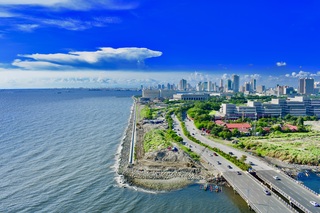
MANILA, the capital city of the Philippines, was founded in, 1571 by Spanish conquistador Miguel López de Legazpi. It is one of the oldest cities in the country...
Full description
MANILA, the capital city of the Philippines, was founded in, 1571 by Spanish conquistador Miguel López de Legazpi. It is one of the oldest cities in the country...
Full description
MANILA, the capital city of the Philippines, was founded in, 1571 by Spanish conquistador Miguel López de Legazpi. It is one of the oldest cities in the country...
Full description
MANILA, the capital city of the Philippines, was founded in, 1571 by Spanish conquistador Miguel López de Legazpi. It is one of the oldest cities in the country...
Full descriptionManila
MANILA, the capital city of the Philippines, was founded in, 1571 by Spanish conquistador Miguel López de Legazpi. It is one of the oldest cities in the country and was the seat of power for most of the colonial rules of the Philippines. It is situated on the eastern shore of Manila Bay and contains a multitude of landmarks, some of which date back to the 16th century. It is home to the baroque 16th-century San Agustin Church as well as Fort Santiago, a storied citadel and military prison. In the 19th century Manila became one of the most modern cities in Asia. Before the Spanish–American War, Manila saw the rise of the Philippine Revolution. Under the American rule following the Spanish-American War, the United States changed the official language from Spanish to English. Towards the end of World War II, during the Battle of Manila, most of the city was flattened by intensive aerial bombardment. Today, tourism is a vital industry in Manila. Major shopping malls and bazaars thrive around Manila.
Date & price
Select guest
Departs
Fri 11 Feb 2028
from £5,120 pp
Enquire now Call 020 7590 0610Per person, based on two sharing, cruise only. Updated daily and confirmed when you book.