
Summary
Between the pristine shores of the Philippines, set off to explore the heart of the Visayas, an archipelago of preserved islands shaped by verdant nature and ancestral traditions. From the colonial heritage of Iloilo, shaped by its history of large sugar plantations, to the most distant villages accessible only by local transport, particularly on Higatangan. As your exploration continues, the landscapes will become increasingly wild: Kalanggaman reveals its stretches of white sand bathed in turquoise waters, while Limasawa mixes pristine nature, historic heritage and remarkable underwater landscapes that are perfect for snorkelling. Finally, your adventure will continue with contact with local communities, between distant villages, traditional handicrafts and rice paddies, revealing a more intimate facet of the archipelago.
Itinerary & Map
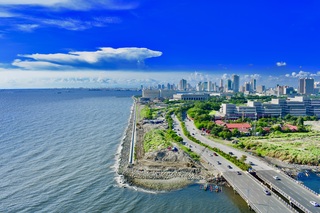
MANILA, the capital city of the Philippines, was founded in, 1571 by Spanish conquistador Miguel López de Legazpi. It is one of the oldest cities in the country...
Full descriptionSibuyan is the second largest island in the Romblon archipelago and has always been isolated from the other islands in the Philippines. It remains predominantly...
Full description
MANILA, the capital city of the Philippines, was founded in, 1571 by Spanish conquistador Miguel López de Legazpi. It is one of the oldest cities in the country...
Full description
MANILA, the capital city of the Philippines, was founded in, 1571 by Spanish conquistador Miguel López de Legazpi. It is one of the oldest cities in the country...
Full descriptionSibuyan is the second largest island in the Romblon archipelago and has always been isolated from the other islands in the Philippines. It remains predominantly...
Full description
MANILA, the capital city of the Philippines, was founded in, 1571 by Spanish conquistador Miguel López de Legazpi. It is one of the oldest cities in the country...
Full descriptionManila
MANILA, the capital city of the Philippines, was founded in, 1571 by Spanish conquistador Miguel López de Legazpi. It is one of the oldest cities in the country and was the seat of power for most of the colonial rules of the Philippines. It is situated on the eastern shore of Manila Bay and contains a multitude of landmarks, some of which date back to the 16th century. It is home to the baroque 16th-century San Agustin Church as well as Fort Santiago, a storied citadel and military prison. In the 19th century Manila became one of the most modern cities in Asia. Before the Spanish–American War, Manila saw the rise of the Philippine Revolution. Under the American rule following the Spanish-American War, the United States changed the official language from Spanish to English. Towards the end of World War II, during the Battle of Manila, most of the city was flattened by intensive aerial bombardment. Today, tourism is a vital industry in Manila. Major shopping malls and bazaars thrive around Manila.
Sibuyan Island
Sibuyan is the second largest island in the Romblon archipelago and has always been isolated from the other islands in the Philippines. It remains predominantly untouched and wild, meaning it boasts a thriving ecosystem where it is home to several endemic species, which is why it is sometimes dubbed “the Galápagos of Asia”. Right near Sibuyan, you could get the chance to swim at the beautiful white-sand beaches on the minuscule Cresta de Gallo Island, surrounded by crystal-clear waters.
Dates & prices
Select guest
Departs
Sat 19 Feb 2028
from £4,840 pp
Enquire now Call 020 7590 0610Per person, based on two sharing, cruise only. Updated daily and confirmed when you book.