
Summary
From Tromsø, the gateway to the Arctic, to the wild landscapes of Scotland, this journey will take shape along magical fjords, jagged cliffs and windswept moors. In the north, the Lofoten Islands reveal their spectacular scenery, their colourful villages and steel-coloured waters. Further south, the Norwegian shores unveil their raw nature, punctuated by forests, fjords sheltering ancient glaciers and cities steeped in history. Next are the Orkney and Skye archipelagos, these Celtic lands with their strong insular character, before you head for Scotland’s western coast, with its mysterious lochs and misty mountains.
Itinerary & Map
With its centre located on the island of Tromsø, the municipality of Tromsø is more than five times the size of Norway’s capital, Oslo, and is the world’s north...
Full description
One of Scandinavia's oldest cities, Trondheim was the first capital of Norway, from AD 997 to 1380. Founded in 997 by Viking king Olav Tryggvason, it was first...
Full description
The coastal town of Ålesund is the commercial capital of the Møre og Romsdal district. But more important, it is noted for its characteristic Jugendstil (Art No...
Full description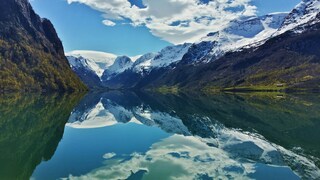
See the aqua blue ice of the Jostedal Glacier cascading down the stunning Oldedalen Valley, as you navigate the spindly fjords of Norway. Feel your breath catch...
Full description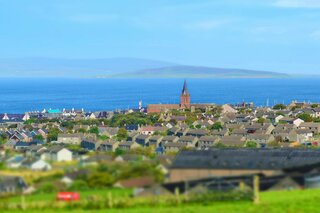
In bustling Kirkwall, the main town on Orkney, there's plenty to see in the narrow, winding streets extending from the harbor. The cathedral and some museums ar...
Full description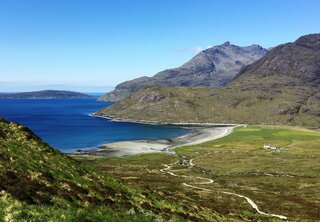
The Isle of Skye ranks near the top of most visitors' priority lists: the romance of Prince Charles Edward Stuart, known as Bonnie Prince Charlie, combined with...
Full description
Oban, "little bay" in Gaelic, today has a resident population of 8,500 and is the unofficial capital of the West Highlands - the "Gateway to the Isles." The pan...
Full description
Start your adventure in Scotland’s largest city, Glasgow which is overflowing with historic landmarks and a vibrant culture. The distinct architecture is remini...
Full description
With its centre located on the island of Tromsø, the municipality of Tromsø is more than five times the size of Norway’s capital, Oslo, and is the world’s north...
Full description
One of Scandinavia's oldest cities, Trondheim was the first capital of Norway, from AD 997 to 1380. Founded in 997 by Viking king Olav Tryggvason, it was first...
Full description
The coastal town of Ålesund is the commercial capital of the Møre og Romsdal district. But more important, it is noted for its characteristic Jugendstil (Art No...
Full description
See the aqua blue ice of the Jostedal Glacier cascading down the stunning Oldedalen Valley, as you navigate the spindly fjords of Norway. Feel your breath catch...
Full description
In bustling Kirkwall, the main town on Orkney, there's plenty to see in the narrow, winding streets extending from the harbor. The cathedral and some museums ar...
Full description
The Isle of Skye ranks near the top of most visitors' priority lists: the romance of Prince Charles Edward Stuart, known as Bonnie Prince Charlie, combined with...
Full description
Oban, "little bay" in Gaelic, today has a resident population of 8,500 and is the unofficial capital of the West Highlands - the "Gateway to the Isles." The pan...
Full description
Start your adventure in Scotland’s largest city, Glasgow which is overflowing with historic landmarks and a vibrant culture. The distinct architecture is remini...
Full descriptionTromsø
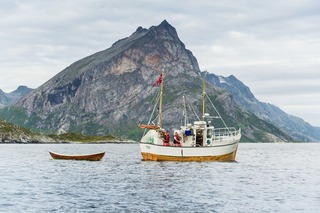
With its centre located on the island of Tromsø, the municipality of Tromsø is more than five times the size of Norway’s capital, Oslo, and is the world’s northernmost university city. Lying 200 miles inside the Arctic Circle, it is known as the 'Gateway to the Arctic' because it was used as a starting point for hunters looking for Arctic foxes, polar bears and seals. In the 19th century it was a base for explorers on Arctic expeditions – a history that is remembered in the city’s Polar Museum, which you can visit on an excursion. Also commemorated in the area is the history of Norway’s indigenous people, the Sami. Visitors can learn about the traditions, heritage and modern preservation of the Sami culture at the Tromsø Museum. Nowadays, Tromsø is a charming mix of old and new, with wooden buildings sitting alongside contemporary architecture such as the impressive glacier-like Arctic Cathedral, which features one of the largest stained glass windows in Europe. Looking down on the city is Mount Storsteinen, and a cable car runs to the top, giving wonderful views over the surrounding countryside of forested peaks and reindeer pastures.
Trondheim
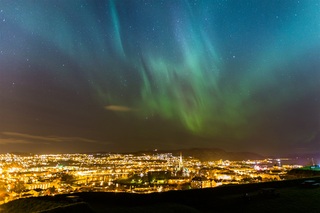
One of Scandinavia's oldest cities, Trondheim was the first capital of Norway, from AD 997 to 1380. Founded in 997 by Viking king Olav Tryggvason, it was first named Nidaros (still the name of the cathedral), a composite word referring to the city's location at the mouth of the Nidelva River. Today, it's Central Norway's largest (and Norway's third largest) city, with a population of 150,000. The wide streets of the historic city center remain lined with brightly painted wood houses and striking warehouses. But it's no historic relic: it's also the home to NTNU (Norwegian University of Science and Technology) and is Norway's technological capital.
Ålesund
The coastal town of Ålesund is the commercial capital of the Møre og Romsdal district. But more important, it is noted for its characteristic Jugendstil (Art Nouveau) buildings, which some claim make Ålesund one of the most beautiful towns in Norway. This Art Nouveau style emerged when the town was completely rebuilt after a devastating fire in 1904 destroyed nearly 800 buildings and left 10,000 residents homeless. It is said that the fire started by a tipped oil lamp. Rebuilding was carried out with the help of many young, foreign architects who added their own flourishes to the architectural blend of German Jugendstil and Viking roots. Today, narrow streets are crammed with buildings topped with turrets, spires and gables that bear decorations of dragonheads and curlicues. As one of the few remaining Art Nouveau towns in the world, in 1998 Ålesund was awarded the coveted Houens National Memorial Prize for the preservation of its unique architecture.
Olden
See the aqua blue ice of the Jostedal Glacier cascading down the stunning Oldedalen Valley, as you navigate the spindly fjords of Norway. Feel your breath catching in your throat, as you sail into this world of wonder, and the dramatic fjord scenery and interlocking valleys inspire you. The village of Olden opens up some of Norway's most majestic natural wonders, from the glacier - which is mainland Europe's largest - to the sloshing waterfalls that run off it, and the bowing forests that sway all around it. A visit to picturesque Olden is all thrilling panoramas and hikes through wildflower sprinkled trails. The Briksdalsbreen arm of ice, reaches out from the main glacier, and sits around an hour's stroll from the village of Olden itself - regular busses can also take you there. Snaking through steep-sided valleys, you can enjoy a walk close to the foot of the ice, and feel the spray of the waterfalls that plummet nearby, as you breathe in some of the freshest air you’ve ever tasted. The crisp glacial meltwater is so clean and pure that it’s bottled up to be sold across Norway.
Kirkwall, Orkney Islands
In bustling Kirkwall, the main town on Orkney, there's plenty to see in the narrow, winding streets extending from the harbor. The cathedral and some museums are highlights.
Portree, Isle of Skye
The Isle of Skye ranks near the top of most visitors' priority lists: the romance of Prince Charles Edward Stuart, known as Bonnie Prince Charlie, combined with the misty Cuillin Hills and their proximity to the mainland all contribute to its popularity. Today Skye remains mysterious and mountainous, an island of sunsets that linger brilliantly until late at night and of beautiful, soft mists. Much photographed are the really old crofts, one or two of which are still inhabited, with their thick stone walls and thatch roofs. Orientation on Skye is easy: follow the only roads around the loops on the northern part of the island and enjoy the road running the length of the Sleat Peninsula in southern Skye, taking the loop roads that exit to the north and south as you please. There are some stretches of single-lane road, but none poses a problem.
Oban
Oban, "little bay" in Gaelic, today has a resident population of 8,500 and is the unofficial capital of the West Highlands - the "Gateway to the Isles." The panoramic views of the mountains, lochs and islands which have captivated artists, authors, composers, and poets for centuries are as striking now as they were when Dunollie Castle, a ruined keep which has stood sentinel over the narrow entrance to the sheltered bay for around six hundred years, was the northern outpost of the Dalriadic Scots. It is no surprise to find Oban in the 21st-century remains a magnet for travellers from all over the world. The town's present day popularity owes much to the Victorians, and as early as 1812, when the Comet steamship linked Oban with Glasgow, the town played host to intrepid travellers touring Staffa - the inspiration for Mendelssohn's Hebridean Overture - and Iona - home of Scottish Christianity since St Columba stepped ashore in AD563. Indeed once Oban had the royal seal of approval from Queen Victoria, who called it "one of the finest spots we have seen," the town's destiny as an endearingly enchanting holiday destination was as firmly set as the lava columns of Fingal's Cave in Oban is justifiably known as the “gateway to the Isles.” The town's south pier is the embarkation point for car ferries to Mull, Coll, Tiree, Barra, South Uist, Colonsay, Lismore and Islay. From these islands you can travel further a field to Iona, Staffa and to many of the smaller less well known isles.
Glasgow
Start your adventure in Scotland’s largest city, Glasgow which is overflowing with historic landmarks and a vibrant culture. The distinct architecture is reminiscent classic 19th-century fused together with modern early 20th-century dubbed ‘Glasgow Style’. The checkerboard layout makes the city easy to navigate with lively street entertainment around every corner.
Dates & prices
Select guest
Departs
Sun 2 Apr 2028
Le Lapérouse
from £7,720 pp
Enquire now Call 020 7590 0610Per person, based on two sharing, cruise only. Updated daily and confirmed when you book.