
Summary
PONANT invites you to discover the wild and untouched beauty of New Zealand’s Fiordlands and Subantarctic Islands. Set sail on a 15-day expedition cruise with an exceptional itinerary and allow yourself to be transported to another world where the wildlife rules and you are but visitors.
From Dunedin, the Edinburgh of New Zealand that is a lively student city with a rich Scottish Heritage, you will reach Ulva Island. This first call on Paterson Inlet is renowned as an extraordinary nature sanctuary. Our team of naturalists and destination experts will be on hand to show you some of the rarest bird species in the world.You will follow your voyage towards Fiordland National Park, which is part of Te Wähipounamu, a UNESCO World Natural Heritage Site, home to the majestic Dusky Sound, Doubtful Sound and Milford Sound. You will enjoy a zodiac cruise and spot Fiordland crested penguins, get up close to spectacular waterfalls and enjoy the vistas from the ship’s outer decks.You will then head to the Snares islands, a haven for the country’s wildlife with some 35,000 endemic Snares Gorfous and a colony of around a thousand fur seals before discovering Macquarie Island, part of Australia.Often described as the Galápagos of the Southern Ocean, the Subantarctic Islands of New Zealand are among some of the best preserved and protected environments on the planet, where you will experience scenery and wildlife like nowhere else on Earth. You will be captivated by the breathtaking scenery, meadows of megaherb forming a colourful tapestry, and towering cliffs buffeted by the power of the waves and wind - the playground of the Royal Albatross. With a myriad of penguins patrolling the black sandy beaches it is truly a nature-lover’s dream come true.Your ship will finally reach Dunedin, the end of your voyage.Any disembarkation on the Subantarctic Islands is subject to weather conditions and on obtaining the authorisation of the local authorities. To preserve the wild environment of these islands, the number of visitors is in fact strictly controlled. Wherever possible, we will run Zodiac excursions around their shorelines in order to guarantee the best possible experience for all guests if it is not possible to disembark.Itinerary & Map
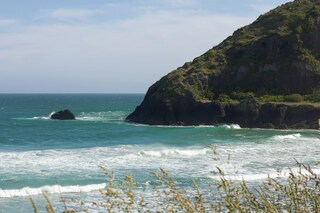
Clinging to the walls of the natural amphitheater at the west end of Otago Harbour, the South Island's second-largest city is enriched with inspiring nearby sea...
Full description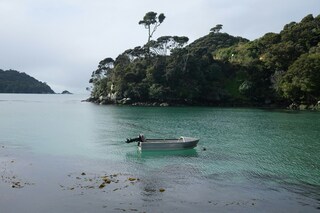
Stewart Island is home to New Zealand's newest national park, Rakiura National Park. The third and most southerly of New Zealand's main islands, Stewart Island...
Full description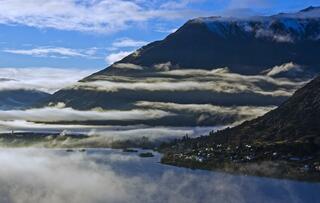
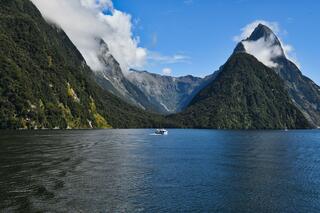
New Zealand fiord country along with Fiordland National Park is one of New Zealand's premier attractions. Incredibly beautiful, wild and remote, the region is a...
Full description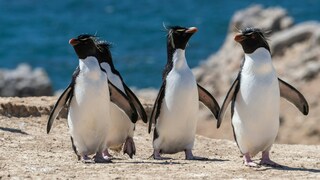
The Snares Islands, also known as ‘The Snares’ are the northernmost of New Zealand's subantarctic islands. The islands are totally uninhabited and land mammals...
Full description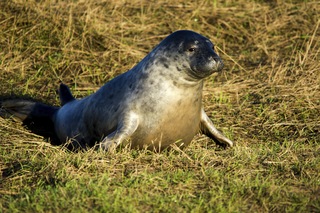
Enderby Island is the second largest island in the archipelago which is brimming with a magnificent flora and fauna environment. The island has become well know...
Full description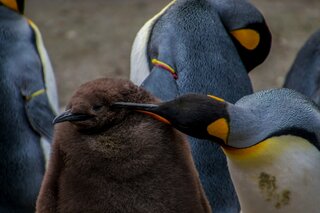
Macquarie Island is a UNESCO World Heritage Site due to its major geoconservation significance. It is the only island in the world that is entirely composed of...
Full description
Macquarie Island is a UNESCO World Heritage Site due to its major geoconservation significance. It is the only island in the world that is entirely composed of...
Full descriptionThe Campbell Islands are a group of subantarctic islands in New Zealand. Known for its rich flora display, Campbell Islands are overflowing with megaherbs, herb...
Full description
Clinging to the walls of the natural amphitheater at the west end of Otago Harbour, the South Island's second-largest city is enriched with inspiring nearby sea...
Full description
Clinging to the walls of the natural amphitheater at the west end of Otago Harbour, the South Island's second-largest city is enriched with inspiring nearby sea...
Full description
Stewart Island is home to New Zealand's newest national park, Rakiura National Park. The third and most southerly of New Zealand's main islands, Stewart Island...
Full description
New Zealand fiord country along with Fiordland National Park is one of New Zealand's premier attractions. Incredibly beautiful, wild and remote, the region is a...
Full description
The Snares Islands, also known as ‘The Snares’ are the northernmost of New Zealand's subantarctic islands. The islands are totally uninhabited and land mammals...
Full description
Enderby Island is the second largest island in the archipelago which is brimming with a magnificent flora and fauna environment. The island has become well know...
Full description
Macquarie Island is a UNESCO World Heritage Site due to its major geoconservation significance. It is the only island in the world that is entirely composed of...
Full description
Macquarie Island is a UNESCO World Heritage Site due to its major geoconservation significance. It is the only island in the world that is entirely composed of...
Full descriptionThe Campbell Islands are a group of subantarctic islands in New Zealand. Known for its rich flora display, Campbell Islands are overflowing with megaherbs, herb...
Full description
Clinging to the walls of the natural amphitheater at the west end of Otago Harbour, the South Island's second-largest city is enriched with inspiring nearby sea...
Full descriptionDunedin
Clinging to the walls of the natural amphitheater at the west end of Otago Harbour, the South Island's second-largest city is enriched with inspiring nearby seascapes and wildlife. Because Dunedin is a university town, floods of students give the city a vitality far greater than its population of 122,000 might suggest. Its manageable size makes it easy to explore on foot—with the possible exception of Baldwin Street, the world's steepest residential street and home to the annual "gutbuster" race, in which people run up it, and the "Jaffa" race, in which people roll the namesake spherical chocolate candy down it.Dunedin, the Gaelic name for Edinburgh, was founded in 1848 by settlers of the Free Church of Scotland, a breakaway group from the Presbyterian Church. The city's Scottish roots are still visible; you'll find New Zealand's first and only (legal) whisky distillery, a statue of Scottish poet Robert Burns, and more kilts, sporrans, and gillies than you can shake a stick at! The Scottish settlers and local Māori came together in relative peace, but this wasn't true of the European whalers who were here three decades before, as places with names such as Murdering Beach illustrate.Dunedin has always had a reputation for the eccentric. Wearing no shoes and a big beard here marks a man as bohemian rather than destitute, and the residents wouldn't have it any other way. The University of Otago was the country's first university and has been drawing writers ever since its founding in 1871, most notably Janet Frame and the poet James K. Baxter. Dunedin also has a musical heritage, which blossomed into the "Dunedin Sound" of the 1970s and '80s.
Oban, Stewart Island
Stewart Island is home to New Zealand's newest national park, Rakiura National Park. The third and most southerly of New Zealand's main islands, Stewart Island is separated from the South Island by the 24-km (15-miles) Foveaux Strait. Its original Māori name, Te Punga O Te Waka a Maui, means "the anchor stone of Maui's canoe." Māori mythology says the island's landmass held the god Maui's canoe secure while he and his crew raised the great fish—the North Island. Today the island is more commonly referred to by its other Māori name, Rakiura, which means "the land of the glowing skies." This refers to the spectacular sunrises and sunsets and to the southern lights, or aurora australis. The European name of Stewart Island dates back to 1809. It memorializes an officer William W. Stewart on an early sealing vessel, the Pegasus, who was the first to chart the island. The island covers some 1,700 square km (650 square miles). It measures about 75 km (46 miles) from north to south and about the same distance across at its widest point. On the coastline, sharp cliffs rise from a succession of sheltered bays and beaches. In the interior, forested hills rise gradually toward the west side of the island. Seals and penguins frequent the coast, and the island's prolific birdlife includes a number of species rarely seen in any other part of the country. In fact, this is the surest place to see a kiwi. The Stewart Island brown kiwi, or tokoeka, is the largest species of this kind of bird. Unlike their mainland cousins, these kiwis can be seen during the day as well as at night. It's a rare and amusing experience to watch these pear-shape birds scampering on a remote beach as they feed on sand hoppers and grubs. Māori have visited Stewart Island for centuries. Archaeologists' studies of 13th-century Māori middens (refuse heaps) indicate that the island was once a rich, seasonal resource for hunting, fishing, and gathering seafood. A commonly eaten delicacy at that time, the titi, also known as the muttonbird, still occasionally appears on menus. In the early 19th century, explorers, sealers, missionaries, and miners settled the island. They were followed by fishermen and sawmillers who established settlements around the edges of Paterson Inlet and Halfmoon and Horseshoe bays. In the 1920s Norwegians set up a whaling enterprise, and many descendants of these seafaring people remain. Fishing, aquaculture, and tourism are now the mainstays of the island's economy. Even by New Zealand standards, Stewart Island is remote, raw, and untouched. The appeal is its seclusion, its relaxed way of life, and its untouched quality. Stewart Island is not for everyone: if you must have shopping malls, casinos, or umbrella drinks on the beach, don't come here. Visitors should be prepared for the fact that Stewart Island can be chilly, windy, and rainy, even in the middle of summer.
Milford Sound
New Zealand fiord country along with Fiordland National Park is one of New Zealand's premier attractions. Incredibly beautiful, wild and remote, the region is an intriguing combination of rugged mountain ranges, dense rainforest, solitary alpine lakes, sparkling rivers and splashing waterfalls. Much of Fiordland is virtually unexplored wilderness and still the habitat of rare birds. As the ship cruises the beautiful Doubtful, Dusky and Milford Sounds, experience the majestic fiordland of South Island's western coast. Captain James Cook sailed along this coast in 1770 and again in 1773, when he anchored at Dusky Sound for a rest and ship repair. Doubtful Sound is one of the region's most majestic fiords. It is ten times larger than Milford Sound. As the ship cruises into Hall Arm, gaze at vertical cliffs and mighty waterfalls plunging over sheer rock faces. In fine weather, mountains and greenery are reflected in the protected waters of the fiord. Farther north lies Milford Sound. Far from any populated area, Milford Sound is famous for its grandeur and spectacular beauty. It is perhaps the best example of New Zealand's renowned classic landscape of steep granite peaks framing glacier-carved inlets with mirrored reflections on dark waters. Dominating the scene is Milford's landmark, the triangular pinnacle of Mitre Peak. Along the sheer cliffs, several waterfalls tumble more than 500 feet (154 metres) into the sheltered Sound. Only a few moored boats and a scattering of buildings at the head of the Sound break the unity of mountains, forest and water. This spectacular beauty and unspoiled setting is yours to enjoy as the ship cruises Milford Sound.
Snares Islands
The Snares Islands, also known as ‘The Snares’ are the northernmost of New Zealand's subantarctic islands. The islands are totally uninhabited and land mammals were never introduced on the islands, so it is only inhabited by sea mammals, birds and flora. The area is among one of five subantarctic island groups forming the New Zealand Subantarctic Islands, designated as a World Heritage Site by UNESCO.
Enderby Island and Musgrave Inlet, Auckland Islands
Enderby Island is the second largest island in the archipelago which is brimming with a magnificent flora and fauna environment. The island has become well known for being home to the rare yellow-eyed penguin and it is further the primary breeding location for the New Zealand Sra Lion. Enjoy a guided tour of the Northern Cliffs track and if you’re lucky, spend some time observing the sea lion colony.
Macquarie Island, Tasmania
Macquarie Island is a UNESCO World Heritage Site due to its major geoconservation significance. It is the only island in the world that is entirely composed of oceanic crust and rocks from the mantel. The unique diversity of the island makes it a truly remarkable place to visit. Sand Bay is located on the east coast where you will find Royal and King Penguin rookeries as well as Southern Elephant Seals, and if the weather permits, you will have the opportunity to get closer on a Zodiac®.
Campbell Island
The Campbell Islands are a group of subantarctic islands in New Zealand. Known for its rich flora display, Campbell Islands are overflowing with megaherbs, herbaceous, perennial wildflowers which are recognised for their great size, colourful flowers and large leaves. The islands are furthermore home to some rare, and critically endangered birds including the Campbell Island teal and snipe. Enjoy a guided walk on the Col Lyell Saddle boardwalk and head out on the Zodiac for a unique tour around the coastline of Perseverance Harbour.
Dates & prices
Select guest
Departs
Mon 28 Dec 2026
from £14,490 pp
Enquire now Call 020 7590 0610Per person, based on two sharing, cruise only. Updated daily and confirmed when you book.