
Summary
Itinerary & Map
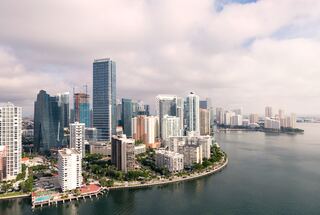
Miami is one of the world’s most popular holiday spots. It has so much to offer; from its countless beach areas, to culture and museums, from spa and shopping d...
Full description
You go to heaven if you want - I'd rather stay here in Bermuda!' So gushed Mark Twain in the 19th century, and Bermuda's promise of sun and sea still lures holi...
Full description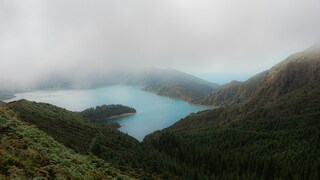
Offering solace on the long journey across the Atlantic, Ponta Delgada is the Azores Islands' largest city, and a welcome relief for any weary sailor. Located o...
Full description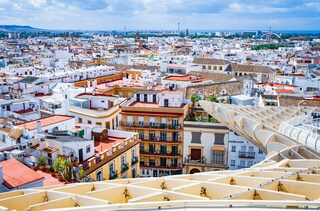
Whether you pronounce it Seville or Sevilla, this gorgeous Spanish town is most certainly the stuff of dreams. Over 2,200 years old, Seville has a mutli-layered...
Full description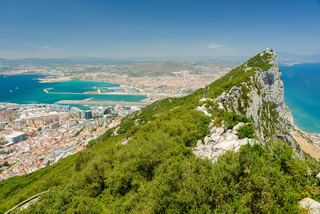
Tagged on to the end of Iberia, the intriguing British outpost of Gibraltar is dominated by a sandy peninsula and the stunning 1,400-feet-high limestone Rock. A...
Full description
Motril is located in the Spanish region of Andalucia on the Costa Tropical. It is the biggest town on the Costa with a thriving commercial, fishing and leisure...
Full description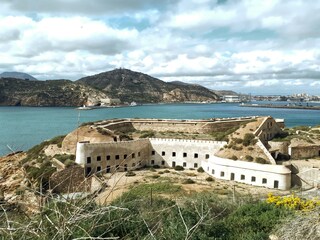
A Mediterranean city and naval station located in the Region of Murcia, southeastern Spain, Cartagena’s sheltered bay has attracted sailors for centuries. The C...
Full description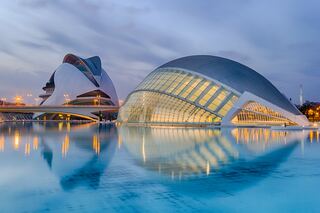
Valencia, Spain's third-largest municipality, is a proud city with a thriving nightlife and restaurant scene, quality museums, and spectacular contemporary arch...
Full description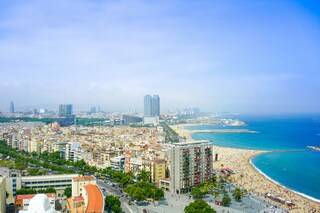
The infinite variety of street life, the nooks and crannies of the medieval Barri Gòtic, the ceramic tile and stained glass of Art Nouveau facades, the art and...
Full description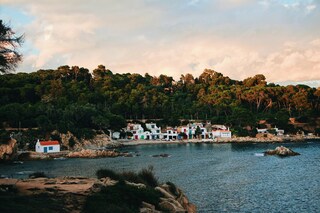
One of the best ways to arrive in Catalonia is by sea, especially via the Costa Brava. This coastline, also known as the Rugged or Wild Coast, stretches from Bl...
Full description
The fishing village of Sète serves as gateway to Montpellier, in the North. Other noteworthy destinations in this area include Carcassone, Aigues Mortes, the Ab...
Full description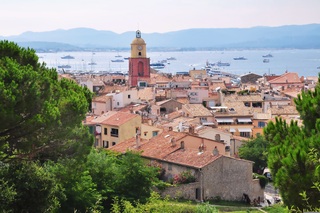
At first glance, it really doesn't look all that impressive. There's a pretty port with cafés charging €5 for a coffee and a picturesque old town in sugared-alm...
Full description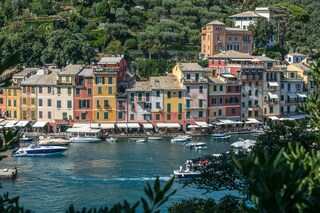
One of the most photographed villages along the coast, with a decidedly romantic and affluent aura, Portofino has long been a popular destination for the rich a...
Full description
Livorno is a gritty city with a long and interesting history. In the early Middle Ages it alternately belonged to Pisa and Genoa. In 1421 Florence, seeking acce...
Full description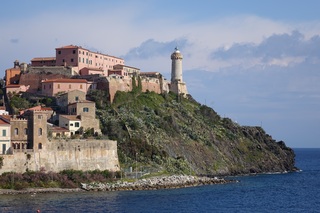
Elba is the Tuscan archipelago's largest island, but it resembles nearby verdant Corsica more than it does its rocky Italian sisters, thanks to a network of und...
Full description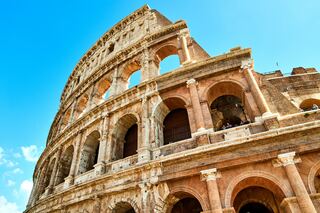
Italy's vibrant capital lives in the present, but no other city on earth evokes its past so powerfully. For over 2,500 years, emperors, popes, artists, and comm...
Full description
Miami is one of the world’s most popular holiday spots. It has so much to offer; from its countless beach areas, to culture and museums, from spa and shopping d...
Full description
You go to heaven if you want - I'd rather stay here in Bermuda!' So gushed Mark Twain in the 19th century, and Bermuda's promise of sun and sea still lures holi...
Full description
Offering solace on the long journey across the Atlantic, Ponta Delgada is the Azores Islands' largest city, and a welcome relief for any weary sailor. Located o...
Full description
Whether you pronounce it Seville or Sevilla, this gorgeous Spanish town is most certainly the stuff of dreams. Over 2,200 years old, Seville has a mutli-layered...
Full description
Tagged on to the end of Iberia, the intriguing British outpost of Gibraltar is dominated by a sandy peninsula and the stunning 1,400-feet-high limestone Rock. A...
Full description
Motril is located in the Spanish region of Andalucia on the Costa Tropical. It is the biggest town on the Costa with a thriving commercial, fishing and leisure...
Full description
A Mediterranean city and naval station located in the Region of Murcia, southeastern Spain, Cartagena’s sheltered bay has attracted sailors for centuries. The C...
Full description
Valencia, Spain's third-largest municipality, is a proud city with a thriving nightlife and restaurant scene, quality museums, and spectacular contemporary arch...
Full description
The infinite variety of street life, the nooks and crannies of the medieval Barri Gòtic, the ceramic tile and stained glass of Art Nouveau facades, the art and...
Full description
One of the best ways to arrive in Catalonia is by sea, especially via the Costa Brava. This coastline, also known as the Rugged or Wild Coast, stretches from Bl...
Full description
The fishing village of Sète serves as gateway to Montpellier, in the North. Other noteworthy destinations in this area include Carcassone, Aigues Mortes, the Ab...
Full description
At first glance, it really doesn't look all that impressive. There's a pretty port with cafés charging €5 for a coffee and a picturesque old town in sugared-alm...
Full description
One of the most photographed villages along the coast, with a decidedly romantic and affluent aura, Portofino has long been a popular destination for the rich a...
Full description
Livorno is a gritty city with a long and interesting history. In the early Middle Ages it alternately belonged to Pisa and Genoa. In 1421 Florence, seeking acce...
Full description
Elba is the Tuscan archipelago's largest island, but it resembles nearby verdant Corsica more than it does its rocky Italian sisters, thanks to a network of und...
Full description
Italy's vibrant capital lives in the present, but no other city on earth evokes its past so powerfully. For over 2,500 years, emperors, popes, artists, and comm...
Full descriptionMiami, Florida (United States)
Miami is one of the world’s most popular holiday spots. It has so much to offer; from its countless beach areas, to culture and museums, from spa and shopping days out, to endless cuban restaurants and cafes. Miami is a multicultural city that has something to offer to everyone.
Kings Wharf (Bermuda)
You go to heaven if you want - I'd rather stay here in Bermuda!' So gushed Mark Twain in the 19th century, and Bermuda's promise of sun and sea still lures holiday-makers to its shores. Settled by the English Virginia Company in 1609, Bermuda is the oldest and most populous of Britain's remaining overseas territories. These days, celebrities like Michael Douglas and Catherine Zeta-Jones call Bermuda home. The island is surrounded by a fantastic coral reef that harbours colourful fish and has ensnared scores of shipwrecks, making for memorable diving and snorkelling.
Ponta Delgada, Azores (Portugal)
Offering solace on the long journey across the Atlantic, Ponta Delgada is the Azores Islands' largest city, and a welcome relief for any weary sailor. Located on an archipelago of Portuguese islands, some 1,100 miles from the mainland, you can explore humbling volcanic scenery, as well as Sao Miguel's verdant landscape - which glows with colour when the hydrangeas that the Azores are known for bloom into life during the summer months. The striking black and white facade of the Church of Sao Jose welcomes you to the city itself, while you can head to the markets to pick up the pineapples, tea leaves and coffee beans that add a little flavour to the island. As the largest city of the Azores, Ponta Delgada is well stocked with places to eat delicious local seafood, or pick up a little shopping, as you enjoy setting your feet on dry land, following a long journey at sea. Volcanic firepower has carved these stunning islands, and a journey up to Caldeira das Sete Cidades is a must do, where you can hike beside the water-filled crater, and admire views of steep green walls, and the uninterrupted Atlantic Ocean stretching beyond them. Lagoa de Fogo offers yet more humbling views, with the crater lake dropping off sharply to rippled ocean far below.
Seville (Spain)
Whether you pronounce it Seville or Sevilla, this gorgeous Spanish town is most certainly the stuff of dreams. Over 2,200 years old, Seville has a mutli-layered personality; home to Flamenco, high temperatures and three UNESCO-World Heritage Sites, there is a noble ancestry to the southern Spanish town. Not forgetting that it is the birthplace of painter Diego Velazquez, the resting place of Christopher Columbus, the inspiration for Bizet’s Carmen and a location for Game of Thrones filming, Seville is truly more than just a sum of its parts. This city is a full on experience, a beguiling labyrinth of centuries old streets, tiny tapas restaurants serving possibly the best dishes you’ll taste south of Madrid and a paradise of Mudejar architecture and tranquil palm trees and fountain-filled gardens.
Gibraltar (Gibraltar)
Tagged on to the end of Iberia, the intriguing British outpost of Gibraltar is dominated by a sandy peninsula and the stunning 1,400-feet-high limestone Rock. Although small, Gibraltar has always been seen as having great strategic importance on account of its advantageous position where the Atlantic meets the Mediterranean, just 12 miles from the coast of Africa. Ever popular with British holidaymakers, Gibraltar is very much a home from home, boasting excellent duty-free shopping in many familiar British high street shops. Please note: Gibraltar’s small size and narrow winding roads mean that excursions are operated by 22-seater mini-buses, accompanied by a driver/guide. Local health and safety regulations prohibit the carriage of walking aids and collapsible wheelchairs on these vehicles. If you do wish to bring a mobility aid, we can arrange the Rock Tour by taxi, which has extra space. If this suits your requirements, please advise the Tours and Travel office when you join the ship, as numbers are limited.
Motril (Spain)
Motril is located in the Spanish region of Andalucia on the Costa Tropical. It is the biggest town on the Costa with a thriving commercial, fishing and leisure port. An hour and a half's drive east of Malaga and within easy reach of the magnificent Sierra Nevada mountain range, Motril makes an ideal base for exploring the many delights of the Andalucian coastline and its hinterland. Halfway between the resorts of Malaga to the west and Almeria to the east, nestling in the foothills of the Sierra Lujar mountains, Motril is at the heart of one of the most fertile and productive agricultural areas of Spain. The Costa Tropical takes its name from its sub-tropical climate which enables the cultivation of exotic fruits and crops such as sugar cane, oranges, lemons, apples, avocadoes, mangoes and bananas. One of the sights of Motril is the 17th-century church of Nuestra Señora de la Cabeza, dedicated to the town's patron saint.
Cartagena (Spain)
A Mediterranean city and naval station located in the Region of Murcia, southeastern Spain, Cartagena’s sheltered bay has attracted sailors for centuries. The Carthaginians founded the city in 223BC and named it Cartago Nova; it later became a prosperous Roman colony, and a Byzantine trading centre. The city has been the main Spanish Mediterranean naval base since the reign of King Philip II, and is still surrounded by walls built during this period. Cartagena’s importance grew with the arrival of the Spanish Bourbons in the 18th century, when the Navidad Fortress was constructed to protect the harbour. In recent years, traces of the city’s fascinating past have been brought to light: a well-preserved Roman Theatre was discovered in 1988, and this has now been restored and opened to the public. During your free time, you may like to take a mini-cruise around Cartagena's historic harbour: these operate several times a day, take approximately 40 minutes and do not need to be booked in advance. Full details will be available at the port.
Valencia (Spain)
Valencia, Spain's third-largest municipality, is a proud city with a thriving nightlife and restaurant scene, quality museums, and spectacular contemporary architecture, juxtaposed with a thoroughly charming historic quarter, making it a popular destination year in year out. During the Civil War, it was the last seat of the Republican Loyalist government (1935–36), holding out against Franco’s National forces until the country fell to 40 years of dictatorship. Today it represents the essence of contemporary Spain—daring design and architecture along with experimental cuisine—but remains deeply conservative and proud of its traditions. Though it faces the Mediterranean, Valencia's history and geography have been defined most significantly by the River Turia and the fertile huerta that surrounds it.The city has been fiercely contested ever since it was founded by the Greeks. El Cid captured Valencia from the Moors in 1094 and won his strangest victory here in 1099: he died in the battle, but his corpse was strapped into his saddle and so frightened the besieging Moors that it caused their complete defeat. In 1102 his widow, Jimena, was forced to return the city to Moorish rule; Jaume I finally drove them out in 1238. Modern Valencia was best known for its frequent disastrous floods until the River Turia was diverted to the south in the late 1950s. Since then the city has been on a steady course of urban beautification. The lovely bridges that once spanned the Turia look equally graceful spanning a wandering municipal park, and the spectacularly futuristic Ciutat de les Arts i les Ciències (City of Arts and Sciences), most of it designed by Valencia-born architect Santiago Calatrava, has at last created an exciting architectural link between this river town and the Mediterranean. If you're in Valencia, an excursion to Albufera Nature Park is a worthwhile day trip.
Barcelona (Spain)
The infinite variety of street life, the nooks and crannies of the medieval Barri Gòtic, the ceramic tile and stained glass of Art Nouveau facades, the art and music, the throb of street life, the food (ah, the food!)—one way or another, Barcelona will find a way to get your full attention. The capital of Catalonia is a banquet for the senses, with its beguiling mix of ancient and modern architecture, tempting cafés and markets, and sun-drenched Mediterranean beaches. A stroll along La Rambla and through waterfront Barceloneta, as well as a tour of Gaudí's majestic Sagrada Famíliaand his other unique creations, are part of a visit to Spain's second-largest city. Modern art museums and chic shops call for attention, too. Barcelona's vibe stays lively well into the night, when you can linger over regional wine and cuisine at buzzing tapas bars.
Palamós (Spain)
One of the best ways to arrive in Catalonia is by sea, especially via the Costa Brava. This coastline, also known as the Rugged or Wild Coast, stretches from Blanes to the French border. Its name aptly refers to the steep cliff of ancient twisted rocks, which runs its entire length and is bounded inland by the Catalan mountain ranges. The intensity of the coast’s colour, the ruggedness of the rocks and the scent of the plants all combine to add to its attraction. The history of this region is long and varied. Traces can be found of the advanced culture of the Iberians, Greeks, Romans, Visigoths and Arabs. With Wilfred I and the independence of Catalan countries, the Catalan dynasty was born. Later, in 1479, Catalonia became a part of unified Spain following the marriage of Isabel, Queen of Castile, and Fernando, King of Aragon. The port of Palamos, some 36 miles northeast of Barcelona, has been in existence for nearly 700 years thanks to its location on one of the deepest natural bays in the western Mediterranean. The town itself is the southernmost of a series of resorts popular with sun worshippers. For the most part, Palamos has managed to retain some of the charm of a fishing village. The port also serves as a gateway to such inland locations as Girona, the capital of the province. Art lovers may want to visit Figueras, famous for its bizarre Teatre-Museu Dali, the foremost of a series of sites associated with the eccentric surrealist artist, Salvador Dali. If you choose to stay in Palamos, you can enjoy the pleasant atmosphere of the town or spend some time at a nearby beach. The town has a long seagoing tradition and busy harbour. The fish auction, prompted by the arrival of the fishing boats, is a spectacle worth seeing. The Fishing Museum illustrates the history and the life of the families who live off the sea.
Sète (France)
The fishing village of Sète serves as gateway to Montpellier, in the North. Other noteworthy destinations in this area include Carcassone, Aigues Mortes, the Abbaye de Fontfroide, and Pezenas. For a look at the real fisherman's life, however, stay right where you are. Sète is the Mediterranean's biggest fishing port. Canals winding through town make it fun to stroll around, and there are a number of good walking paths leading to the beach (about 30 minutes to the west). Although it's small and unspectacular, Plage de la Corniche has calm, pristine waters that are perfect for swimming. For a panoramic view of the area, climb Mont St-Clair or Les Pierres Blanches and pick a beach to settle down on.
Saint-Tropez (France)
At first glance, it really doesn't look all that impressive. There's a pretty port with cafés charging €5 for a coffee and a picturesque old town in sugared-almond hues, but there are many prettier in the hills nearby. There are sandy beaches, rare enough on the Riviera, and old-fashioned squares with plane trees and pétanque players, but these are a dime a dozen throughout Provence. So what made St-Tropez an internationally known locale? Two words: Brigitte Bardot. When this pulpeuse (voluptuous) teenager showed up in St-Tropez on the arm of Roger Vadim in 1956 to film And God Created Woman, the heads of the world snapped around. Neither the gentle descriptions of writer Guy de Maupassant (1850–93), nor the watercolor tones of Impressionist Paul Signac (1863–1935), nor the stream of painters who followed (including Matisse and Bonnard) could focus the world's attention on this seaside hamlet as did this one sensual woman in a scarf, Ray-Bans, and capris. Vanity Fair ran a big article, "Saint Tropez Babylon," detailing the over-the-top petrodollar parties, megayachts, and Beyoncé–d paparazzi. But don't be turned off: the next year, Stewart, Tabori & Chang released an elegant coffee-table book, Houses of St-Tropez, packed with photos of supremely tasteful and pretty residences, many occupied by fashion designers, artists, and writers. Once a hangout for Colette, Anaïs Nin, and Françoise Sagan, the town still earns its old moniker, the "Montparnasse of the Mediterranean." Yet you might be surprised to find that this byword for billionaires is so small and insulated. The lack of train service, casinos, and chain hotels keeps it that way. Yet fame, in a sense, came too fast for St-Trop. Unlike the chic resorts farther east, it didn't have the decades-old reputation of the sort that would attract visitors all year around. For a good reason: its location on the south side of the gulf puts it at the mercy of the terrible mistral winter winds. So, in summer the crowds descend and the prices rise into the stratosphere. In July and August, you must be carefree about the sordid matter of cash. After all, at the most Dionysian nightclub in town, a glass of tap water goes for $37 and when the mojo really gets going, billionaires think nothing of "champagne-spraying" the partying crowds—think World Series celebrations but with $1,000 bottles of Roederer Cristal instead of Gatorade. Complaining about summer crowds, overpricing, and lack of customer service has become a tourist sport and yet this is what makes St-Tropez—described by the French daily newspaper Le Figaro as the place you can see "the greatest number of faces per square meter"—as intriguing as it is seductive.
Portofino (Italy)
One of the most photographed villages along the coast, with a decidedly romantic and affluent aura, Portofino has long been a popular destination for the rich and famous. Once an ancient Roman colony and taken by the Republic of Genoa in 1229, it’s also been ruled by the French, English, Spanish, and Austrians, as well as by marauding bands of 16th-century pirates. Elite British tourists first flocked to the lush harbor in the mid-1800s. Some of Europe's wealthiest drop anchor in Portofino in summer, but they stay out of sight by day, appearing in the evening after buses and boats have carried off the day-trippers.There's not actually much to do in Portofino other than stroll around the wee harbor, see the castle, walk to Punta del Capo, browse at the pricey boutiques, and sip a coffee while people-watching. However, weaving through picture-perfect cliffside gardens and gazing at yachts framed by the sapphire Ligurian Sea and the cliffs of Santa Margherita can make for quite a relaxing afternoon. There are also several tame, photo-friendly hikes into the hills to nearby villages.Unless you're traveling on a deluxe budget, you may want to stay in Camogli or Santa Margherita Ligure rather than at one of Portofino's few very expensive hotels. Restaurants and cafés are good but also pricey (don't expect to have a beer here for much under €10).
Livorno (Italy)
Livorno is a gritty city with a long and interesting history. In the early Middle Ages it alternately belonged to Pisa and Genoa. In 1421 Florence, seeking access to the sea, bought it. Cosimo I (1519–74) started construction of the harbor in 1571, putting Livorno on the map. After Ferdinando I de' Medici (1549–1609) proclaimed Livorno a free city, it became a haven for people suffering from religious persecution; Roman Catholics from England and Jews and Moors from Spain and Portugal, among others, settled here. The Quattro Mori (Four Moors), also known as the Monument to Ferdinando I, commemorates this. (The statue of Ferdinando I dates from 1595, the bronze Moors by Pietro Tacca from the 1620s.)In the following centuries, and particularly in the 18th, Livorno boomed as a port. In the 19th century the town drew a host of famous Britons passing through on their grand tours. Its prominence continued up to World War II, when it was heavily bombed. Much of the town's architecture, therefore, postdates the war, and it's somewhat difficult to imagine what it might have looked like before. Livorno has recovered from the war, however, as it's become a huge point of departure for container ships, as well as the only spot in Tuscany for cruise ships to dock for the day.Most of Livorno's artistic treasures date from the 17th century and aren't all that interesting unless you dote on obscure baroque artists. Livorno's most famous native artist, Amedeo Modigliani (1884–1920), was of much more recent vintage. Sadly, there's no notable work by him in his hometown.There may not be much in the way of art, but it's still worth strolling around the city. The Mercato Nuovo, which has been around since 1894, sells all sorts of fruits, vegetables, grains, meat, and fish. Outdoor markets nearby are also chock-full of local color. The presence of Camp Darby, an American military base just outside town, accounts for the availability of many American products.If you have time, Livorno is worth a stop for lunch or dinner at the very least.
Portoferraio (Italy)
Elba is the Tuscan archipelago's largest island, but it resembles nearby verdant Corsica more than it does its rocky Italian sisters, thanks to a network of underground springs that keep it lush and green. It's this combination of semitropical vegetation and dramatic mountain scenery—unusual in the Mediterranean—that has made Elba so prized for so long, and the island's uniqueness continues to draw boatloads of visitors throughout the warm months. A car is very useful for getting around the island, but public buses stop at most towns several times a day; the tourist office has timetables.
Civitavecchia (Italy)
Italy's vibrant capital lives in the present, but no other city on earth evokes its past so powerfully. For over 2,500 years, emperors, popes, artists, and common citizens have left their mark here. Archaeological remains from ancient Rome, art-stuffed churches, and the treasures of Vatican City vie for your attention, but Rome is also a wonderful place to practice the Italian-perfected il dolce far niente, the sweet art of idleness. Your most memorable experiences may include sitting at a caffè in the Campo de' Fiori or strolling in a beguiling piazza.
Date & price
Departs
Wed 31 Mar 2027
from £7,849 pp
Enquire now Call 020 7590 0610Per person, based on two sharing, cruise only. Updated daily and confirmed when you book.