
Summary
Itinerary & Map

Oslo is the capital of Norway and is also its largest city, situated at the head of Oslo Fjord and surrounded by hills and forests. Home to some 50 museums and...
Full description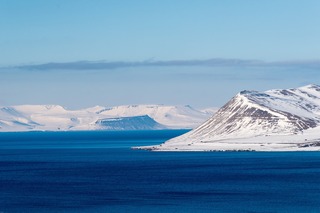
Longyearbyen is the biggest settlement in Svalbard. Seat of the Norwegian administration, it also has the best services and infrastructure in the archipelago. L...
Full description
Longyearbyen is the biggest settlement in Svalbard. Seat of the Norwegian administration, it also has the best services and infrastructure in the archipelago. L...
Full description
Longyearbyen is the biggest settlement in Svalbard. Seat of the Norwegian administration, it also has the best services and infrastructure in the archipelago. L...
Full description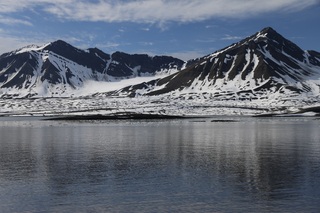
Described as one of the most remote islands in the world, Jan Mayen liesbetween Norway to the east and Greenland to the west. It is a rugged volcanicisland 34 m...
Full description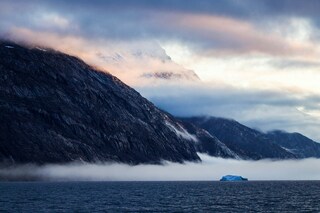
Scoresbysund is the ultimate fjord system; likely the longest, largest and deepest of any in the world. The massive fjord is tucked into the eastern coast of Gr...
Full description

Sprawling Reykjavík, the nation's nerve center and government seat, is home to half the island's population. On a bay overlooked by proud Mt. Esja (pronounced e...
Full description
Oslo is the capital of Norway and is also its largest city, situated at the head of Oslo Fjord and surrounded by hills and forests. Home to some 50 museums and...
Full description
Longyearbyen is the biggest settlement in Svalbard. Seat of the Norwegian administration, it also has the best services and infrastructure in the archipelago. L...
Full description
Longyearbyen is the biggest settlement in Svalbard. Seat of the Norwegian administration, it also has the best services and infrastructure in the archipelago. L...
Full description
Longyearbyen is the biggest settlement in Svalbard. Seat of the Norwegian administration, it also has the best services and infrastructure in the archipelago. L...
Full description
Described as one of the most remote islands in the world, Jan Mayen liesbetween Norway to the east and Greenland to the west. It is a rugged volcanicisland 34 m...
Full description
Scoresbysund is the ultimate fjord system; likely the longest, largest and deepest of any in the world. The massive fjord is tucked into the eastern coast of Gr...
Full description
Sprawling Reykjavík, the nation's nerve center and government seat, is home to half the island's population. On a bay overlooked by proud Mt. Esja (pronounced e...
Full descriptionOslo
Oslo is the capital of Norway and is also its largest city, situated at the head of Oslo Fjord and surrounded by hills and forests. Home to some 50 museums and full of galleries, cafés, a sculpture park and the Royal Palace, this vibrant city with its handsome 19th-century buildings and wide streets has much to offer. Its history dates back 1,000 years, and includes a rich seafaring heritage that ranges from the Viking era to Thor Heyerdahl’s Kon Tiki expedition. Discover more about this exciting city on our varied selection of excursions.
Longyearbyen
Longyearbyen is the biggest settlement in Svalbard. Seat of the Norwegian administration, it also has the best services and infrastructure in the archipelago. Located deep in the Adventfjord, a sidearm of the Isfjorden (Icefjord), Longyearbyen’s airport can be used all-year round, but its harbor is blocked by ice in winter. Most shops, hotels, restaurants and a hospital are within easy walking distance of the port. One of the most prominent buildings in town is the UNIS center, where several Norwegian universities have joined forces to operate and offer the northernmost higher education to both Norwegian and international students. Adjacent to UNIS, and well worth a visit, is the Svalbard Museum, covering the natural history and exploitation of Svalbard. Remnants of the former mining activity can be seen all around Longyearbyen and even in town.
Jan Mayen Island
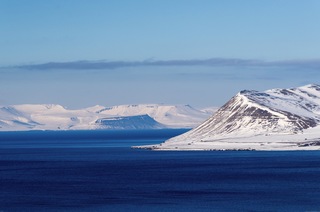
Described as one of the most remote islands in the world, Jan Mayen liesbetween Norway to the east and Greenland to the west. It is a rugged volcanicisland 34 miles long and is made up of two parts – the larger section to thenorth (Beerenbeg Volcano) and the longer but narrower section to the south. Amile-wide isthmus links these two parts. Geologically, the island was formed bya ‘hotspot’ where molten magma pushes up through the earth’s crust to createvolcanoes in the middle of nowhere. Politically, Jan Mayen is an integral partof Norway. The eighteen people living on the island work for either the NorwegianArmed Forces or the Norwegian Meteorological Institute. Their main purpose isto operate the Loran-C radio navigation system. From 1615 to 1638, the Dutchran a whaling station here. Today, the island is a nature reserve underNorwegian jurisdiction aimed at preserving the pristine Arctic island and themarine life, including the ocean floor.
Ittoqqortoormiit (ex Scoresbysund)
Scoresbysund is the ultimate fjord system; likely the longest, largest and deepest of any in the world. The massive fjord is tucked into the eastern coast of Greenland and on the icy western edges of the Greenland Sea. Scoresbysund’s scale deserves several days to explore, especially while plying the waters between castle-sized icebergs as they gently drift under the persuasion of the Arctic waters in the mighty fjord. Scattered in the remote bays and smaller fjords are places to discover old Inuit settlements, slowly growing over with Arctic willow and dwarf birch. The lower slopes of many mountains are draped in the herbs and grasses favoured by muskox, Arctic fox, lemmings, Ptarmigan, Barnacle Geese, and Snowy Owls. Tundra walks give impressive views of landscape, flora and fauna. Not to be neglected, the waters of Scoresbysund warrant a vigilant eye for sightings of whales, seals, narwhals, beluga whales and walrus.
Reykjavík
Sprawling Reykjavík, the nation's nerve center and government seat, is home to half the island's population. On a bay overlooked by proud Mt. Esja (pronounced eh-shyuh), with its ever-changing hues, Reykjavík presents a colorful sight, its concrete houses painted in light colors and topped by vibrant red, blue, and green roofs. In contrast to the almost treeless countryside, Reykjavík has many tall, native birches, rowans, and willows, as well as imported aspen, pines, and spruces.Reykjavík's name comes from the Icelandic words for smoke, reykur, and bay, vík. In AD 874, Norseman Ingólfur Arnarson saw Iceland rising out of the misty sea and came ashore at a bay eerily shrouded with plumes of steam from nearby hot springs. Today most of the houses in Reykjavík are heated by near-boiling water from the hot springs. Natural heating avoids air pollution; there's no smoke around. You may notice, however, that the hot water brings a slight sulfur smell to the bathroom.Prices are easily on a par with other major European cities. A practical option is to purchase a Reykjavík City Card at the Tourist Information Center or at the Reykjavík Youth Hostel. This card permits unlimited bus usage and admission to any of the city's seven pools, the Family Park and Zoo, and city museums. The cards are valid for one (ISK 3,300), two (ISK 4,400), or three days (ISK 4,900), and they pay for themselves after three or four uses a day. Even lacking the City Card, paying admission (ISK 500, or ISK 250 for seniors and people with disabilities) to one of the city art museums (Hafnarhús, Kjarvalsstaðir, or Ásmundarsafn) gets you free same-day admission to the other two.
Date & price
Select guest
Departs
Thu 3 Aug 2028
from £9,381 pp
Enquire now Call 020 7590 0610Per person, based on two sharing, cruise only. Updated daily and confirmed when you book.