
Summary
Itinerary & Map
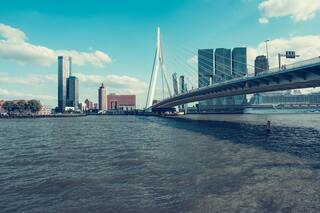
Rotterdam is a city that's a long way removed from most people's stereotypical notion of the Netherlands. There are few, if any, canals to be found here nor are...
Full description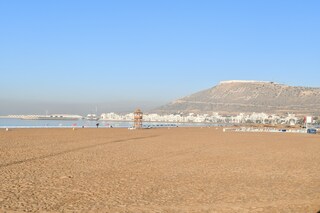
Shaped by the Atlas Mountains on one side, Agadir is framed on the other by a magnificent crescent-shaped beach. While little is known of the city’s origins, th...
Full description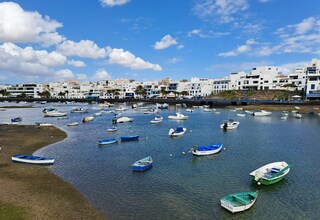
A volcanic island designated a UNESCO Biosphere Reserve, Lanzarote’s dramatic landscapes were shaped by an explosive past. Today, its pretty beaches and virtual...
Full description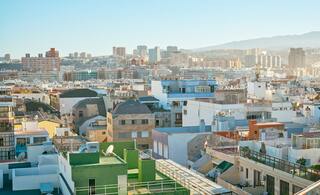
Perhaps the prettiest of the Canary Islands, Gran Canaria is an almost circular isle with the peak of Pozo de Las Nieves, its highest point, at the centre. With...
Full description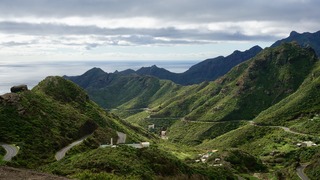
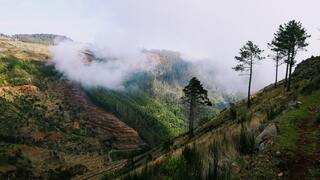
Formed by a volcanic eruption, Madeira lies in the Gulf Stream, about 500 miles due west of Casablanca. Discovered by Portuguese explorer João Gonçalves Zarco i...
Full description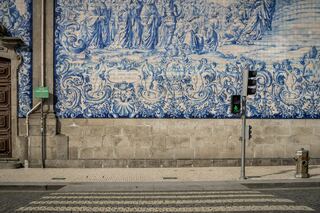
Lively, commercial Oporto is the second largest city in Portugal after Lisbon. Also called Porto for short, the word easily brings to mind the city's most famou...
Full description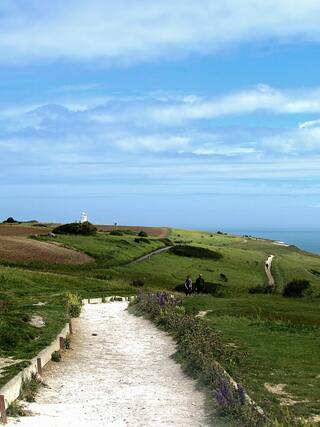
Known as the gateway of England, Dover welcomes millions of visitors from all over the globe each year in its role as the ferry capital of the world and the sec...
Full description
Rotterdam is a city that's a long way removed from most people's stereotypical notion of the Netherlands. There are few, if any, canals to be found here nor are...
Full description
By the 11th century, Copenhagen was already an important trading and fishing centre and today you will find an attractive city which, although the largest in Sc...
Full description
Århus is Denmark's second-largest city, and, with its funky arts and college community, one of the country's most pleasant. Cutting through the center of town i...
Full description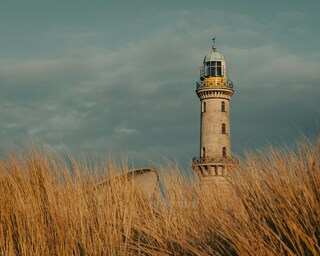
Warnemünde, officially a suburb of Rostock, is a quaint seaside resort town with the best hotels and restaurants in the area, as well as 20 km (12 miles) of bea...
Full description
Estonia's history is sprinkled liberally with long stretches of foreign domination, beginning in 1219 with the Danes, followed without interruption by the Germa...
Full description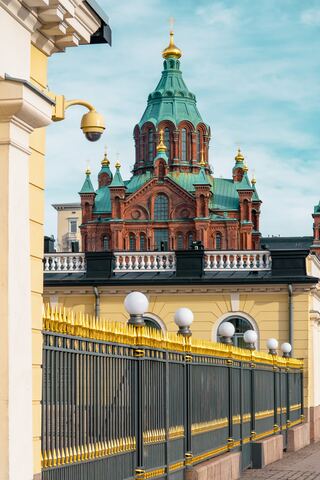
A city of the sea, Helsinki was built along a series of oddly shaped peninsulas and islands jutting into the Baltic coast along the Gulf of Finland. Streets and...
Full description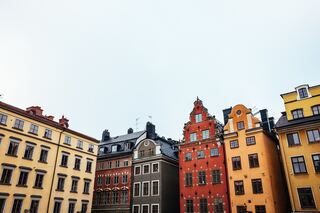
Stockholm is a city in the flush of its second youth. Since the mid-1990s, Sweden's capital has emerged from its cold, Nordic shadow to take the stage as a trul...
Full description
Stockholm is a city in the flush of its second youth. Since the mid-1990s, Sweden's capital has emerged from its cold, Nordic shadow to take the stage as a trul...
Full description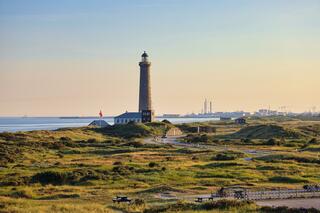
Known as the gateway of England, Dover welcomes millions of visitors from all over the globe each year in its role as the ferry capital of the world and the sec...
Full description
Rotterdam is a city that's a long way removed from most people's stereotypical notion of the Netherlands. There are few, if any, canals to be found here nor are...
Full description
Rotterdam is a city that's a long way removed from most people's stereotypical notion of the Netherlands. There are few, if any, canals to be found here nor are...
Full description
Shaped by the Atlas Mountains on one side, Agadir is framed on the other by a magnificent crescent-shaped beach. While little is known of the city’s origins, th...
Full description
A volcanic island designated a UNESCO Biosphere Reserve, Lanzarote’s dramatic landscapes were shaped by an explosive past. Today, its pretty beaches and virtual...
Full description
Perhaps the prettiest of the Canary Islands, Gran Canaria is an almost circular isle with the peak of Pozo de Las Nieves, its highest point, at the centre. With...
Full description
Formed by a volcanic eruption, Madeira lies in the Gulf Stream, about 500 miles due west of Casablanca. Discovered by Portuguese explorer João Gonçalves Zarco i...
Full description
Lively, commercial Oporto is the second largest city in Portugal after Lisbon. Also called Porto for short, the word easily brings to mind the city's most famou...
Full description
Known as the gateway of England, Dover welcomes millions of visitors from all over the globe each year in its role as the ferry capital of the world and the sec...
Full description
Rotterdam is a city that's a long way removed from most people's stereotypical notion of the Netherlands. There are few, if any, canals to be found here nor are...
Full description
By the 11th century, Copenhagen was already an important trading and fishing centre and today you will find an attractive city which, although the largest in Sc...
Full description
Århus is Denmark's second-largest city, and, with its funky arts and college community, one of the country's most pleasant. Cutting through the center of town i...
Full description
Warnemünde, officially a suburb of Rostock, is a quaint seaside resort town with the best hotels and restaurants in the area, as well as 20 km (12 miles) of bea...
Full description
Estonia's history is sprinkled liberally with long stretches of foreign domination, beginning in 1219 with the Danes, followed without interruption by the Germa...
Full description
A city of the sea, Helsinki was built along a series of oddly shaped peninsulas and islands jutting into the Baltic coast along the Gulf of Finland. Streets and...
Full description
Stockholm is a city in the flush of its second youth. Since the mid-1990s, Sweden's capital has emerged from its cold, Nordic shadow to take the stage as a trul...
Full description
Stockholm is a city in the flush of its second youth. Since the mid-1990s, Sweden's capital has emerged from its cold, Nordic shadow to take the stage as a trul...
Full description
Known as the gateway of England, Dover welcomes millions of visitors from all over the globe each year in its role as the ferry capital of the world and the sec...
Full description
Rotterdam is a city that's a long way removed from most people's stereotypical notion of the Netherlands. There are few, if any, canals to be found here nor are...
Full descriptionRotterdam
Rotterdam is a city that's a long way removed from most people's stereotypical notion of the Netherlands. There are few, if any, canals to be found here nor are there any quaint windmills. There is, however, a thriving modern city which is one of the busiest ports in the entire world.
Agadir
Shaped by the Atlas Mountains on one side, Agadir is framed on the other by a magnificent crescent-shaped beach. While little is known of the city’s origins, the Portuguese created a fortress here at the end of the 15th century, naming it Santa Cruz de Ghir. Freed from Portugal’s occupation by the Saadians in 1540, Agadir grew into a colourful and prosperous port and became newsworthy in 1911 when a German gunboat, the Panther, sailed into the bay as a protest against the division of North Africa between the Spanish and French. Morocco gained independence from the French in 1956, an event which was closely followed in Agadir by the tragic earthquake of 1960. The city, which has been rebuilt to represent the ‘new nation’, is blessed by fine sandy beaches overlooked by luxurious hotels and a great selection of cafés and restaurants. Please note that vendors in the souks can be very persistent and eager to make a sale.
Arrecife, Lanzarote
A volcanic island designated a UNESCO Biosphere Reserve, Lanzarote’s dramatic landscapes were shaped by an explosive past. Today, its pretty beaches and virtual absence of rain together with duty-free shopping make the island an extremely desirable destination. The main port and capital, Arrecife, is a pleasant town with a modern seafront and colourful gardens. Outside the capital there is plenty to explore, from the dazzling white salt flats of Janubio and the rugged terrain of Fire Mountain to the eerie caves of Los Verdes and an array of unspoilt fishing villages scattered around the coast. The island is home to a great selection of restaurants and local specialities including garbanzos compuestos – a chickpea stew; papas arrugadas – potatoes with carrots, peas, ham and green pepper; and of course, plenty of fresh seafood. Please note that those planning to participate in one of the shore excursions from this port may need to take an early lunch on board ship to suit the excursion schedules.
Las Palmas de Gran Canaria
Perhaps the prettiest of the Canary Islands, Gran Canaria is an almost circular isle with the peak of Pozo de Las Nieves, its highest point, at the centre. With a wealth of natural beauty and all the exciting attractions of city life in the capital, the island offers the best of both worlds. You will no doubt wish to see the sights of the capital’s old quarter, which dates back to the 15th century and encompassses the Vegueta and Triana districts, and wherever you go you can enjoy the glorious subtropical climate, perfect for growing exotic palms and fruits.
Funchal, Madeira
Formed by a volcanic eruption, Madeira lies in the Gulf Stream, about 500 miles due west of Casablanca. Discovered by Portuguese explorer João Gonçalves Zarco in 1419, this beautiful island became part of Portugal’s vast empire and was named for the dense forest which cloaked it - 'Madeira' means 'wood' in Portuguese. Sugar plantations first brought wealth here, and when King Charles II of England granted an exclusive franchise to sell wine to England and its colonies, many British emigrants were drawn to the capital, Funchal. Today’s travellers come to Madeira for the varied and luxuriant scenery, from mountain slopes covered with vines to picturesque villages and a profusion of wild flowers. The natural beauty of the island has earned it many pseudonyms such as ‘The Floating Garden of the Atlantic’, 'The Island of Eternal Springtime' and ‘God’s Botanical Gardens’ and our selection of excursions aim to show you why.
Porto
Lively, commercial Oporto is the second largest city in Portugal after Lisbon. Also called Porto for short, the word easily brings to mind the city's most famous product - port wine. Oporto's strategic location on the north bank of the Douro River has accounted for the town's importance since ancient times. The Romans built a fort here where their trading route crossed the Douro, and the Moors brought their own culture to the area. Oporto profited from provisioning crusaders en route to the Holy Land and enjoyed the riches from Portuguese maritime discoveries during the 15th and 16th centuries. Later, port wine trade with Britain compensated for the loss of the spice trade and the end of gold and gem shipments from Brazil. In the 19th century, the city went through a period of new prosperity with the rise of industries. In its wake followed the building of workers' quarters and opulent residences. Since the declaration of Oporto as a World Heritage Site by UNESCO, the city aims to build up a cultural reference that will provide it with a new image, based on deep historical roots. Among the attractions that make Oporto such an interesting place are its graceful bridges spanning the Douro River, a picturesque riverfront quarter and, most notable, its world-famous port wine lodges. Although Oporto is a bustling centre and home to many different businesses, the source of its greatest fame is the rich, sweet fortified red wine we know as port.
Dover
Known as the gateway of England, Dover welcomes millions of visitors from all over the globe each year in its role as the ferry capital of the world and the second busiest cruise port in the UK. The White Cliffs Country has a rich heritage. Within the walls of the town’s iconic castle, over 2,000 years of history waits to be explored, whilst the town’s museum is home to the Dover Bronze Age Boat, the world’s oldest known seagoing vessel. The town’s cliffs that are a welcome sight for today's cross-channel travellers also served as the control centre for the Dunkirk evacuation in 1940.
Copenhagen
By the 11th century, Copenhagen was already an important trading and fishing centre and today you will find an attractive city which, although the largest in Scandinavia, has managed to retain its low-level skyline. Discover some of the famous attractions including Gefion Fountain and Amalienborg Palace, perhaps cruise the city’s waterways, visit Rosenborg Castle or explore the medieval fishing village of Dragoer. Once the home of Hans Christian Andersen, Copenhagen features many reminders of its fairytale heritage and lives up to the reputation immortalised in the famous song ‘Wonderful Copenhagen’.
Aarhus
Århus is Denmark's second-largest city, and, with its funky arts and college community, one of the country's most pleasant. Cutting through the center of town is a canal called the Århus Å (Århus Creek). It used to run underground, but was uncovered a few years ago. Since then, an amalgam of bars, cafés, and restaurants has sprouted along its banks. At all hours of the day and night this waterfront strip is abuzz with crowds that hang out on the outdoor terraces and steps that lead down to the creek.The VisitÅrhus tourist office has information about the Århus Passport, which includes passage on buses, free or discounted admission to the 12 most popular museums and sites in the city, and tours.
Warnemünde
Warnemünde, officially a suburb of Rostock, is a quaint seaside resort town with the best hotels and restaurants in the area, as well as 20 km (12 miles) of beautiful white-sand beach. It's been a popular summer getaway for families in eastern Germany for years.There is little to do in Warnemünde except relax, and the town excels brilliantly at that. However, Warnemünde is a major cruise-ship terminal. Whenever there is more than one ship at dock, the town explodes with a county fair–like atmosphere, and shops and restaurants stay open until the ships leave at midnight. The city celebrates the dreifache Anlauf, when three ships dock simultaneously, with fireworks.
Tallinn
Estonia's history is sprinkled liberally with long stretches of foreign domination, beginning in 1219 with the Danes, followed without interruption by the Germans, Swedes, and Russians. Only after World War I, with Russia in revolutionary wreckage, was Estonia able to declare its independence. Shortly before World War II, in 1940, that independence was usurped by the Soviets, who—save for a brief three-year occupation by Hitler's Nazis—proceeded to suppress all forms of national Estonian pride for the next 50 years. Estonia finally regained independence in 1991. In the early 1990s, Estonia's own Riigikogu (Parliament), not some other nation's puppet ruler, handed down from the Upper City reforms that forced Estonia to blaze its post-Soviet trail to the European Union. Estonia has been a member of the EU since 2004, and in 2011, the country and its growing economy joined the Eurozone. Tallinn was also named the European City of Culture in 2011, cementing its growing reputation as a cultural hot spot.
Helsinki
A city of the sea, Helsinki was built along a series of oddly shaped peninsulas and islands jutting into the Baltic coast along the Gulf of Finland. Streets and avenues curve around bays, bridges reach to nearby islands, and ferries ply among offshore islands.Having grown dramatically since World War II, Helsinki now absorbs more than one-tenth of the Finnish population. The metro area covers 764 square km (474 square miles) and 315 islands. Most sights, hotels, and restaurants cluster on one peninsula, forming a compact central hub. The greater Helsinki metropolitan area, which includes Espoo and Vantaa, has a total population of more than a million people.Helsinki is a relatively young city compared with other European capitals. In the 16th century, King Gustav Vasa of Sweden decided to woo trade from the Estonian city of Tallinn and thus challenge the Hanseatic League's monopoly on Baltic trade. Accordingly, he commanded the people of four Finnish towns to pack up their belongings and relocate to the rapids on the River Vantaa. The new town, founded on June 12, 1550, was named Helsinki.For three centuries, Helsinki (Helsingfors in Swedish) had its ups and downs as a trading town. Turku, to the west, remained Finland's capital and intellectual center. However, Helsinki's fortunes improved when Finland fell under Russian rule as an autonomous grand duchy. Czar Alexander I wanted Finland's political center closer to Russia and, in 1812, selected Helsinki as the new capital. Shortly afterward, Turku suffered a disastrous fire, forcing the university to move to Helsinki. The town's future was secure.Just before the czar's proclamation, a fire destroyed many of Helsinki's traditional wooden structures, precipitating the construction of new buildings suitable for a nation's capital. The German-born architect Carl Ludvig Engel was commissioned to rebuild the city, and as a result, Helsinki has some of the purest neoclassical architecture in the world. Add to this foundation the influence of Stockholm and St. Petersburg with the local inspiration of 20th-century Finnish design, and the result is a European capital city that is as architecturally eye-catching as it is distinct from other Scandinavian capitals. You are bound to discover endless engaging details—a grimacing gargoyle; a foursome of males supporting a balcony's weight on their shoulders; a building painted in striking colors with contrasting flowers in the windows. The city's 400 or so parks make it particularly inviting in summer.Today, Helsinki is still a meeting point of eastern and western Europe, which is reflected in its cosmopolitan image, the influx of Russians and Estonians, and generally multilingual population. Outdoor summer bars ("terrassit" as the locals call them) and cafés in the city center are perfect for people watching on a summer afternoon.
Stockholm
Stockholm is a city in the flush of its second youth. Since the mid-1990s, Sweden's capital has emerged from its cold, Nordic shadow to take the stage as a truly international city. What started with entry into the European Union in 1995 gained pace with the extraordinary IT boom of the late 1990s, strengthened with the Skype-led IT second wave of 2003, and solidified with the hedge-fund invasion that is still happening today as Stockholm gains even more global confidence. And despite more recent economic turmoil, Stockholm's 1 million or so inhabitants have, almost as one, realized that their city is one to rival Paris, London, New York, or any other great metropolis.With this realization comes change. Stockholm has become a city of design, fashion, innovation, technology, and world-class food, pairing homegrown talent with an international outlook. The streets are flowing with a young and confident population keen to drink in everything the city has to offer. The glittering feeling of optimism, success, and living in the here and now is rampant in Stockholm.Stockholm also has plenty of history. Positioned where the waters of Lake Mälaren rush into the Baltic, it’s been an important trading site and a wealthy international city for centuries. Built on 14 islands joined by bridges crossing open bays and narrow channels, Stockholm boasts the story of its history in its glorious medieval old town, grand palaces, ancient churches, sturdy edifices, public parks, and 19th-century museums—its history is soaked into the very fabric of its airy boulevards, built as a public display of trading glory.
Date & price
Departs
Sat 1 Apr 2028
from £5,864 pp
Enquire now Call 020 7590 0610Per person, based on two sharing, cruise only. Updated daily and confirmed when you book.