
Summary
Coinciding with the tail end of Japan’s famed Cherry Blossom season and Japan’s most enchanting season, Heritage Expeditions brand new 10-day Springtime Splendour in Japan Cruise will immerse you in the beauty of the soul of Japan.
Considered one of the best times to visit Japan, this all-inclusive cruise will see you exploring Japan’s main island, Honshu, and its southern wonders, the UNESCO registered Global Geopark of Oki Islands as well as South Korea’s Ulsan. Combining Japan’s ancient culture and storied history with the vivid beauty of spring, this voyage explores castles, gardens and sacred shrines, dramatic coastlines and geological wonders, all while savouring the flavours of Japan’s indelible culture and world-renowned experiences, cuisine and sake.
Departing from Osaka, dubbed the ‘Nation's Kitchen’ and Japan’s bustling commercial centre, our Japan spring cruise will visit iconic highlights alongside rarely visited gems only accessible by expedition ship. Discover Kyoto’s famed 1,001 Senju Kannon statues, historic Pontocho Alley, Nishiki Market and Fushimi’s sake heritage. Sail the Seto Inland Sea and visit historic Hiroshima and its Peace Memorial Park and eternal Flame of Peace, marvel at Miyajima’s famed floating Torii Gate and sacred Itsukushima Shrine. Travel along the Sea of Japan to discover the 300-million-year-old Akiyoshido Cave in the former samurai-dominated Hagi.
Sure to be a highlight is the hidden-gem, Oki Islands. Part of the Daisen-Oki National Park and a UNESCO registered Global Geopark, these dramatic and sparsely populated islands are home to soaring cliffs, pristine coves and Mt Daimanji, which is more than 600 metres above sea level. We will also explore Mt Daisen on the mainland, another dramatic highlight of this volcanic region.
Discover Japan’s ‘Pufferfish/Fugu Capital’ in Shimoneseki where we will have the opportunity to sample this local delicacy at the world famous Karato Fish Market. In Ulsan, South Korea discover ancient Gyeongju, capital of the Silla Dynasty and visit the Gyeongju National Museum, while having the opportunity to experience authentic Korean cuisine and cultural performances.
Surrounded by changing colours of springtime Japan, we plan to visit, Shiranoe Botanical Garden the elegant Yuushien Garden, alongside one of Japan’s three great gardens, the 28-acre formal 17th Century Koraku-en Garden.
History and culture connoisseurs will relish visits to Adachi Museum of Art and Ohara Museum of Art and Japan’s renowned art island Naoshima, while chances to explore Osaka, Hagi, Kokura and Matsue Castle, one of Japan’s few original 17th Century castles, will transport you back to feudal Japan.
Further enhancing your Japan cruise, on board expert guest speakers and Japanese guides, as well as local, on the ground guides, will share Japan’s ancient history, customs and traditions of this captivating country as this unforgettable adventure unfolds.
Itinerary & Map
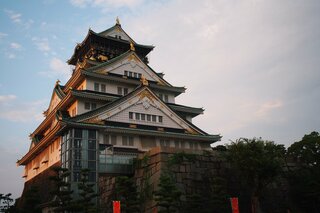
From Minami's neon-lighted Dotombori and historic Tenno-ji to the high-rise class and underground shopping labyrinths of Kita, Osaka is a city that pulses with...
Full description
From Minami's neon-lighted Dotombori and historic Tenno-ji to the high-rise class and underground shopping labyrinths of Kita, Osaka is a city that pulses with...
Full description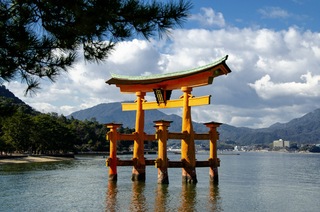
The small island of Miyajima (“The Shrine Island”) is known for the Floating Torii Gate, which is one of “The Three Most Beautiful Views” of Japan. Built in the...
Full description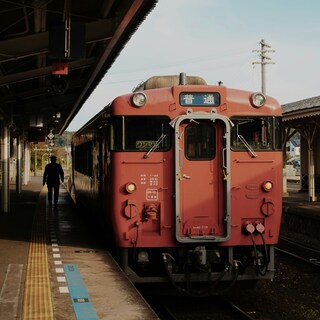
Hagi is a former castle town located in the middle of Yamaguchi prefecture along the coast of the Sea of Japan. It is surrounded by the ocean, mountain and Abug...
Full description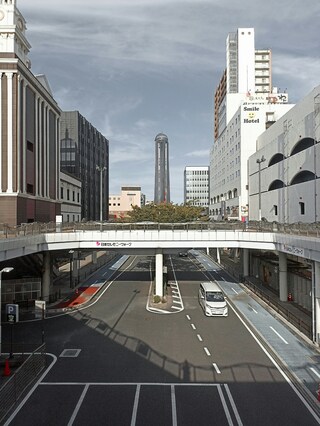
From Minami's neon-lighted Dotombori and historic Tenno-ji to the high-rise class and underground shopping labyrinths of Kita, Osaka is a city that pulses with...
Full description
From Minami's neon-lighted Dotombori and historic Tenno-ji to the high-rise class and underground shopping labyrinths of Kita, Osaka is a city that pulses with...
Full description
From Minami's neon-lighted Dotombori and historic Tenno-ji to the high-rise class and underground shopping labyrinths of Kita, Osaka is a city that pulses with...
Full description
The small island of Miyajima (“The Shrine Island”) is known for the Floating Torii Gate, which is one of “The Three Most Beautiful Views” of Japan. Built in the...
Full description
Hagi is a former castle town located in the middle of Yamaguchi prefecture along the coast of the Sea of Japan. It is surrounded by the ocean, mountain and Abug...
Full description
From Minami's neon-lighted Dotombori and historic Tenno-ji to the high-rise class and underground shopping labyrinths of Kita, Osaka is a city that pulses with...
Full descriptionOsaka
From Minami's neon-lighted Dotombori and historic Tenno-ji to the high-rise class and underground shopping labyrinths of Kita, Osaka is a city that pulses with its own unique rhythm. Though Osaka has no shortage of tourist sites, it is the city itself that is the greatest attraction. Home to some of Japan's best food, most unique fashions, and warmest locals, Osaka does not beg to be explored—it demands it. More than anywhere else in Japan, it rewards the impulsive turn down an interesting side street or the chat with a random stranger. People do not come here to see the city, they come to experience it.Excluded from the formal circles of power and aristocratic culture in 16th-century Edo (Tokyo), Osaka took advantage of its position as Japan's trading center, developing its own art forms such as Bunraku puppet theater and Rakugo comic storytelling. It was in Osaka that feudal Japan's famed Floating World—the dining, theater, and pleasure district—was at its strongest and most inventive. Wealthy merchants and common laborers alike squandered fortunes on culinary delights, turning Osaka into "Japan's Kitchen," a moniker the city still has today. Though the city suffered a blow when the Meiji government canceled all of the samurai class's outstanding debts to the merchants, it was quick to recover. At the turn of the 20th century, it had become Japan's largest and most prosperous city, a center of commerce and manufacturing.Today Osaka remains Japan's iconoclastic metropolis, refusing to fit Tokyo's norms and expectations. Unlike the hordes of Tokyo, Osakans are fiercely independent. As a contrast to the neon and concrete surroundings, the people of Osaka are known as Japan's friendliest and most outgoing. Ask someone on the street for directions in Tokyo and you are lucky to get so much as a glance. Ask someone in Osaka and you get a conversation.The main areas of the city, Kita (north) and Minami (south), are divided by two rivers: the Dojima-gawa and the Tosabori-gawa. Between Kita and Minami is Naka-no-shima, an island and the municipal center of Osaka. Kita (north of Chuo Dori) is Osaka's economic hub and contains Osaka's largest stations: JR Osaka and Hankyu Umeda. The area is crammed with shops, department stores, and restaurants. Nearby are a nightlife district, Kita-shinchi; Naka-no-shima and the Museum of Oriental Ceramics; Osaka-jo (Osaka Castle); and Osaka Koen (Osaka Park). Restaurants, bars, department stores, and boutiques attract Osaka's youth to Minami (south Chuo Dori); theatergoers head to the National Bunraku Theatre and electronics-lovers to Den Den Town. For a glimpse of old Osaka, visit Tenno-ji Temple and Shin Sekai. The main stations are Namba, Shin-sai-bashi, Namba Nankai, and Tenno-ji. There's easy access to the Municipal Museum of Fine Art and Sumiyoshi Taisha (Sumiyoshi Grand Shrine).The bay area, to the west of the city center, is home to the Osaka Aquarium and Universal Studios Japan. The Shinkansen stops at Shin-Osaka, three stops (about five minutes) north of Osaka Station on the Mido-suji subway line. To the north of Shin-Osaka is Senri Expo Park.
Itsukushima and Hiroshima
The small island of Miyajima (“The Shrine Island”) is known for the Floating Torii Gate, which is one of “The Three Most Beautiful Views” of Japan. Built in the water, the Torii Gate leads to the Itsukushima Shrine and at high tide it seems to float. The Torii Gate is one of the most photographed sites in all of Japan. There are many more shrines and paths on Miyajima that are inviting to walk. Mount Misen has a cable car leading partly up to the top with nice views and wild monkeys and deer roaming the trails.
Hagi
Hagi is a former castle town located in the middle of Yamaguchi prefecture along the coast of the Sea of Japan. It is surrounded by the ocean, mountain and Abugawa River. Early in the 17th century, Terumoto Mori built Hagi Castle at the foot of Mt. Shizuki-yama, and the area served as the seat of the Yamaguchi prefecture government until the middle of 19th century. Around then, Hagi produced many capable men who played a leading role in the construction of modern day Japan, including Hirobumi Ito who became the first prime minister in Japan. You will still see a castle town itself which was built 400 years ago and you can get the feel of how it was like during the Samurai period. During your visit, we recommend experiencing the Hagi-yaki pottery which was brought from Korea in the early 17th century. Its colour is very unique and changes over time due to its porous nature. You can find many craft shops specialized for Hagi-yaki pottery all over the town. Last but not least, do not forget that Hagi is also famous for summer tangerines, and there are several shops which sells soft ice cream with summer tangerine flavour.
Date & price
Select guest
Departs
Sat 17 Apr 2027
from £7,150 pp
Enquire now Call 020 7590 0610Per person, based on two sharing, cruise only. Updated daily and confirmed when you book.