
Summary
The Ross Sea region of Antarctica is one of the most remote places on Planet Earth and one of the most fascinating places in the continent’s human history.
With shipping restricted by impenetrable pack ice to just two brief months each austral summer, few people have ever visited this strange and beautiful territory, with opportunities for non-scientific personnel limited to a handful of tourist expedition ships. Heritage Expeditions offers such a voyage on its own fully equipped and ice-strengthened ship Heritage Adventurer, crewed by some of the most experienced officers and sailors in the world and staffed by a passionate and knowledgeable expedition team. Heritage Expeditions are the original and most experienced Ross Sea operators and have been exploring the Ross Sea region for more than 35 years. Our iconic In the Wake of Scott & Shackleton voyage has featured in television documentaries Go Further South, Antarctica from Above (narrated by Lucy Lawless) and Nigel Marven’s The Last Penguin.
The Ross Sea takes its name from Sir James Clark Ross who discovered it in 1841. The British Royal Geographical Society chose the Ross Sea for the now famous British National Antarctic Expedition in 1901-04 led by Robert Falcon Scott. That one expedition spawned what is sometimes referred to as the ‘Race to the Pole’. Ernest Shackleton almost succeeded in 1907-09 and the Japanese explorer Nobu Shirase tried in 1910-12. Scott thought it was his, but was beaten by his rival, Norwegian Roald Amundsen in the summer of 1911. Shackleton’s Trans-Antarctic expedition in 1914-17 marked the end of this ‘heroic’ or ‘golden age’ of exploration, but many of the relics of this era, including huts, remain. The dramatic landscape described by these early explorers is unchanged. Mt Erebus, Mt Discovery and the Transantarctic Mountains are as inspiring today as they were 100 years ago. The penguin rookeries described by the early biologists fluctuate in numbers from year to year, but they still occupy the same sites. The seals, which are no longer hunted for food lie around on ice floes seemingly unperturbed. The whales, which were hunted so ruthlessly here in the 1920s, are slowly coming back, but it is a long way back from the edge of extinction, and some species have done better than others. Snow Petrels, Wilson’s Storm-Petrels, Antarctic Petrels and South Polar Skuas all breed in this seemingly inhospitable environment.
There is so much to do and so much to see here, from exploring historic huts and sites to visiting penguin rookeries, marvelling at the glacial ice tongues and ice shelves, and understanding the icebergs and sea ice. Then there are all the seabirds, seals and whales to observe and photograph, modern scientific bases and field camps to visit and simply the opportunity to spend time drinking in the marvellous landscape that has always enthralled visitors.
Lying like stepping stones to the Antarctic continent are the little known Subantarctic Islands which, along with Heritage Expeditions and our voyages, featured in Condé Nast Traveler’s influential ‘The 25 Best Places to Go in 2025’ list. Our journey also includes The Snares, Auckland, Macquarie and Campbell Island. They break our long journey, but more importantly, they help prepare us for what lies ahead, for these islands are part of the amazing and dynamic Southern Ocean ecosystem of which Antarctica is at the very heart. It is the powerhouse which drives this ecosystem upon which the world depends.
Our 6 January 2027 voyage offers guests the opportunity to join Nikon Ambassador and multi-award-winning seabird photographer, Rachel Bigsby, on an exclusive wildlife photography workshop. With accolades including Wildlife Photographer of the Year and
Bird Photographer of the Year, Rachel’s hands-on approach and specialisation in seabirds offers the perfect blend of creativity, technical skill and adventure whether you’re a seasoned photographer or beginner. Join interactive sessions on board as well as guided excursions and once-in-a-lifetime opportunities to capture rare wildlife and stunning landscapes.
These expeditions include the option to join sea kayaking excursions with an expert guide. Kayaking around the Subantarctic Islands and the Ross Sea, Antarctica offers a once-in-a-lifetime opportunity to explore a wide array of habitats to explore beyond the reach of our Zodiacs.
Itinerary & Map
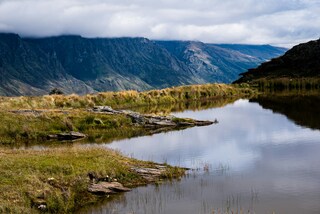
The most southernmost town in New Zealand, Bluff (or The Bluff as it is locally known) is perhaps the most European of all the settlements in the country. Calle...
Full description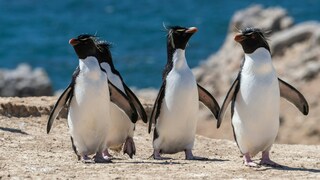
The Snares Islands, also known as ‘The Snares’ are the northernmost of New Zealand's subantarctic islands. The islands are totally uninhabited and land mammals...
Full description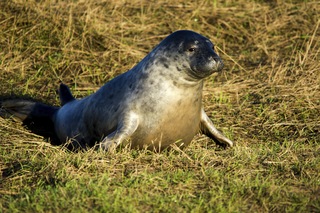
Enderby Island is the second largest island in the archipelago which is brimming with a magnificent flora and fauna environment. The island has become well know...
Full description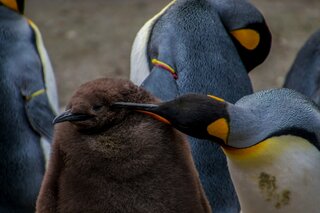
Macquarie Island is a UNESCO World Heritage Site due to its major geoconservation significance. It is the only island in the world that is entirely composed of...
Full description
Macquarie Island is a UNESCO World Heritage Site due to its major geoconservation significance. It is the only island in the world that is entirely composed of...
Full description
The most southernmost town in New Zealand, Bluff (or The Bluff as it is locally known) is perhaps the most European of all the settlements in the country. Calle...
Full description
The Snares Islands, also known as ‘The Snares’ are the northernmost of New Zealand's subantarctic islands. The islands are totally uninhabited and land mammals...
Full description
Enderby Island is the second largest island in the archipelago which is brimming with a magnificent flora and fauna environment. The island has become well know...
Full description
Macquarie Island is a UNESCO World Heritage Site due to its major geoconservation significance. It is the only island in the world that is entirely composed of...
Full description
Macquarie Island is a UNESCO World Heritage Site due to its major geoconservation significance. It is the only island in the world that is entirely composed of...
Full description
Bluff
The most southernmost town in New Zealand, Bluff (or The Bluff as it is locally known) is perhaps the most European of all the settlements in the country. Called Campbelltown until 1917, the city was officially renamed after the 265 meter conical hill that towers above it. One of the farthest corners of the British Empire, the inaugural Royal Tour of New Zealand by Queen Elizabeth II and Prince Philip, the Duke of Edinburgh, concluded at Bluff in January 1954. Nowadays however, it is the Bluff oysters that are the stars of the show. Reputed to be the best in the world, these local heroes are what have really put Bluff on the map and are celebrated every May with a lively festival honouring Ostrea chilensis (that’s Latin for Bluff oyster). But gastronomy aside (and it is mostly oyster related), Bluff offers the adventurous traveller much in the way activity. Gateway to Stewart Island, day trippers here might enjoy hopping on the ferry for the hour long trip to Stewart Island, or New Zealand’s third island. Unspoilt, tranquil and stunning, Stewart Island is a showcase for New Zealand’s undiscovered tourism spots due to its privileged (yet remote) position in the world. However, for those who wish to stay on the mainland, the Bluff Maritime Museum is a “must visit” for anyone travelling along the Southern Scenic Route, with fascinating historical information about the many early shipwrecks in these challenging southern waters and coastlines. The comprehensive network of walking tracks will delight the ornithologists amongst you – just don’t forget your binoculars!
Snares Islands
The Snares Islands, also known as ‘The Snares’ are the northernmost of New Zealand's subantarctic islands. The islands are totally uninhabited and land mammals were never introduced on the islands, so it is only inhabited by sea mammals, birds and flora. The area is among one of five subantarctic island groups forming the New Zealand Subantarctic Islands, designated as a World Heritage Site by UNESCO.
Enderby Island
Enderby Island is the second largest island in the archipelago which is brimming with a magnificent flora and fauna environment. The island has become well known for being home to the rare yellow-eyed penguin and it is further the primary breeding location for the New Zealand Sra Lion. Enjoy a guided tour of the Northern Cliffs track and if you’re lucky, spend some time observing the sea lion colony.
Macquarie Island, Tasmania
Macquarie Island is a UNESCO World Heritage Site due to its major geoconservation significance. It is the only island in the world that is entirely composed of oceanic crust and rocks from the mantel. The unique diversity of the island makes it a truly remarkable place to visit. Sand Bay is located on the east coast where you will find Royal and King Penguin rookeries as well as Southern Elephant Seals, and if the weather permits, you will have the opportunity to get closer on a Zodiac®.
Dates & prices
Select guest
Departs
Wed 6 Jan 2027
from £28,990 pp
Enquire now Call 020 7590 0610Per person, based on two sharing, cruise only. Updated daily and confirmed when you book.