
Summary
Itinerary & Map
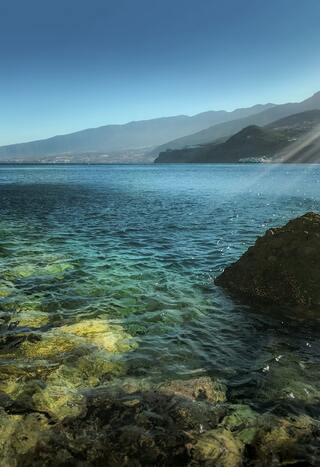
The largest of the Canary Islands, Tenerife is a beautiful and scenic island which enjoys year-round sunshine and is dominated by Mount Teide. The mountain rang...
Full description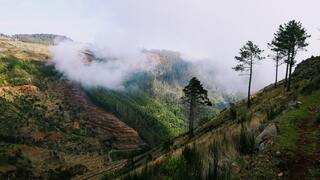
Formed by a volcanic eruption, Madeira lies in the Gulf Stream, about 500 miles due west of Casablanca. Discovered by Portuguese explorer João Gonçalves Zarco i...
Full description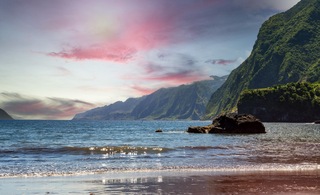
Portimão is a major fishing port, and significant investment has been poured into transforming it into an attractive cruise port as well. The city itself is spa...
Full description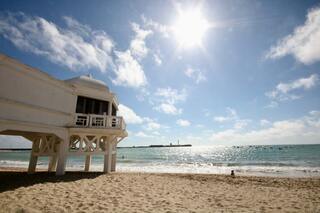
Believed to be the oldest town on the Iberian Peninsula, the Andalusian port of Cádiz enjoys a stunning location at the edge of a six-mile promontory. The town...
Full description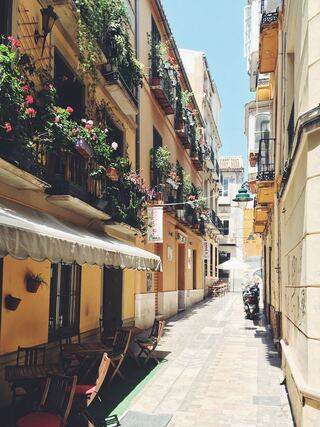
As you sail into Malaga you will notice what an idyllic setting the city enjoys on the famous Costa del Sol. To the east of this provincial capital, the coast a...
Full description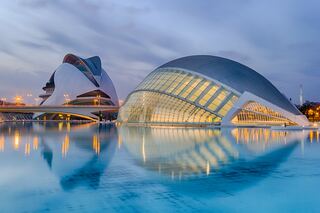
Valencia, Spain's third-largest municipality, is a proud city with a thriving nightlife and restaurant scene, quality museums, and spectacular contemporary arch...
Full description

The fishing village of Sète serves as gateway to Montpellier, in the North. Other noteworthy destinations in this area include Carcassone, Aigues Mortes, the Ab...
Full description
On one of the best stretches of the Mediterranean, this classic luxury destination is one of the most sought-after addresses in the world. With all the high-ris...
Full description
On one of the best stretches of the Mediterranean, this classic luxury destination is one of the most sought-after addresses in the world. With all the high-ris...
Full description
The largest of the Canary Islands, Tenerife is a beautiful and scenic island which enjoys year-round sunshine and is dominated by Mount Teide. The mountain rang...
Full description
Formed by a volcanic eruption, Madeira lies in the Gulf Stream, about 500 miles due west of Casablanca. Discovered by Portuguese explorer João Gonçalves Zarco i...
Full description
Portimão is a major fishing port, and significant investment has been poured into transforming it into an attractive cruise port as well. The city itself is spa...
Full description
Believed to be the oldest town on the Iberian Peninsula, the Andalusian port of Cádiz enjoys a stunning location at the edge of a six-mile promontory. The town...
Full description
As you sail into Malaga you will notice what an idyllic setting the city enjoys on the famous Costa del Sol. To the east of this provincial capital, the coast a...
Full description
Valencia, Spain's third-largest municipality, is a proud city with a thriving nightlife and restaurant scene, quality museums, and spectacular contemporary arch...
Full description
The fishing village of Sète serves as gateway to Montpellier, in the North. Other noteworthy destinations in this area include Carcassone, Aigues Mortes, the Ab...
Full description
On one of the best stretches of the Mediterranean, this classic luxury destination is one of the most sought-after addresses in the world. With all the high-ris...
Full description
On one of the best stretches of the Mediterranean, this classic luxury destination is one of the most sought-after addresses in the world. With all the high-ris...
Full descriptionSanta Cruz de Tenerife
The largest of the Canary Islands, Tenerife is a beautiful and scenic island which enjoys year-round sunshine and is dominated by Mount Teide. The mountain range runs through the centre of the island, with fertile valleys on the northern side. In the central part of the range is the gigantic natural crater of the Cañadas del Teide, about 14 miles in diameter. Santa Cruz, the island’s pretty capital, was originally a small fishing village but has now grown into a modern city, and also contains 16th-century civic buildings and ornate private mansions. Near the pier is the Santa Cruz Palmetum, a Botanical Garden covering an area of 29 acres, specialising in palms.
Funchal, Madeira
Formed by a volcanic eruption, Madeira lies in the Gulf Stream, about 500 miles due west of Casablanca. Discovered by Portuguese explorer João Gonçalves Zarco in 1419, this beautiful island became part of Portugal’s vast empire and was named for the dense forest which cloaked it - 'Madeira' means 'wood' in Portuguese. Sugar plantations first brought wealth here, and when King Charles II of England granted an exclusive franchise to sell wine to England and its colonies, many British emigrants were drawn to the capital, Funchal. Today’s travellers come to Madeira for the varied and luxuriant scenery, from mountain slopes covered with vines to picturesque villages and a profusion of wild flowers. The natural beauty of the island has earned it many pseudonyms such as ‘The Floating Garden of the Atlantic’, 'The Island of Eternal Springtime' and ‘God’s Botanical Gardens’ and our selection of excursions aim to show you why.
Portimão
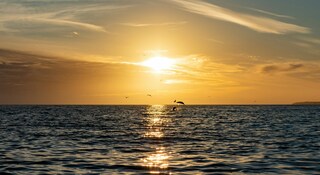
Portimão is a major fishing port, and significant investment has been poured into transforming it into an attractive cruise port as well. The city itself is spacious and has several good shopping streets—though sadly many of the more traditional retailers have closed in the wake of the global economic crisis. There is also a lovely riverside area that just begs to be strolled (lots of the coastal cruises depart from here). Don’t leave without stopping for an alfresco lunch at the Doca da Sardinha ("sardine dock") between the old bridge and the railway bridge. You can sit at one of many inexpensive establishments, eating charcoal-grilled sardines (a local specialty) accompanied by chewy fresh bread, simple salads, and local wine.
Cádiz
Believed to be the oldest town on the Iberian Peninsula, the Andalusian port of Cádiz enjoys a stunning location at the edge of a six-mile promontory. The town itself, with 3,000 years of history, is characterised by pretty white houses with balconies often adorned with colourful flowers. As you wander around be sure to take a stroll through the sizeable Plaza de Espãna, with its large monument dedicated to the first Spanish constitution, which was signed here in 1812. Cádiz has two pleasant seafront promenades which boast fine views of the Atlantic Ocean, and has a lovely park, the Parque Genoves, located close to the sea with an open-air theatre and attractive palm garden. Also notable is the neo-Classical cathedral, capped by a golden dome.
Málaga
As you sail into Malaga you will notice what an idyllic setting the city enjoys on the famous Costa del Sol. To the east of this provincial capital, the coast along the region of La Axarqua is scattered with villages, farmland and sleepy fishing hamlets - the epitome of traditional rural Spain. To the west stretches a continuous city where the razzmatazz and bustle creates a colourful contrast that is easily recognisable as the Costa del Sol. Surrounding the region, the Penibéetica Mountains provide an attractive backdrop overlooking the lower terraced slopes which yield olives and almonds. This spectacular mountain chain shelters the province from cold northerly winds, giving it a reputation as a therapeutic and exotic place in which to escape from cold northern climes. Malaga is also the gateway to many of Andalusia's enchanting historic villages, towns and cities.
Valencia
Valencia, Spain's third-largest municipality, is a proud city with a thriving nightlife and restaurant scene, quality museums, and spectacular contemporary architecture, juxtaposed with a thoroughly charming historic quarter, making it a popular destination year in year out. During the Civil War, it was the last seat of the Republican Loyalist government (1935–36), holding out against Franco’s National forces until the country fell to 40 years of dictatorship. Today it represents the essence of contemporary Spain—daring design and architecture along with experimental cuisine—but remains deeply conservative and proud of its traditions. Though it faces the Mediterranean, Valencia's history and geography have been defined most significantly by the River Turia and the fertile huerta that surrounds it.The city has been fiercely contested ever since it was founded by the Greeks. El Cid captured Valencia from the Moors in 1094 and won his strangest victory here in 1099: he died in the battle, but his corpse was strapped into his saddle and so frightened the besieging Moors that it caused their complete defeat. In 1102 his widow, Jimena, was forced to return the city to Moorish rule; Jaume I finally drove them out in 1238. Modern Valencia was best known for its frequent disastrous floods until the River Turia was diverted to the south in the late 1950s. Since then the city has been on a steady course of urban beautification. The lovely bridges that once spanned the Turia look equally graceful spanning a wandering municipal park, and the spectacularly futuristic Ciutat de les Arts i les Ciències (City of Arts and Sciences), most of it designed by Valencia-born architect Santiago Calatrava, has at last created an exciting architectural link between this river town and the Mediterranean. If you're in Valencia, an excursion to Albufera Nature Park is a worthwhile day trip.
Sète
The fishing village of Sète serves as gateway to Montpellier, in the North. Other noteworthy destinations in this area include Carcassone, Aigues Mortes, the Abbaye de Fontfroide, and Pezenas. For a look at the real fisherman's life, however, stay right where you are. Sète is the Mediterranean's biggest fishing port. Canals winding through town make it fun to stroll around, and there are a number of good walking paths leading to the beach (about 30 minutes to the west). Although it's small and unspectacular, Plage de la Corniche has calm, pristine waters that are perfect for swimming. For a panoramic view of the area, climb Mont St-Clair or Les Pierres Blanches and pick a beach to settle down on.
Monte-Carlo
On one of the best stretches of the Mediterranean, this classic luxury destination is one of the most sought-after addresses in the world. With all the high-rise towers you have to look hard to find the Belle Époque grace of yesteryear. But if you head to the town's great 1864 landmark Hôtel de Paris—still a veritable crossroads of the buffed and befurred Euro-gentry—or enjoy a grand bouffe at its famous Louis XV restaurant, or attend the opera, or visit the ballrooms of the casino, you may still be able to conjure up Monaco's elegant past. Prince Albert II, a political science graduate from Amherst College, traces his ancestry to Otto Canella, who was born in 1070. The Grimaldi dynasty began with Otto's great-great-great-grandson, Francesco Grimaldi, also known as Frank the Rogue. Expelled from Genoa, Frank and his cronies disguised themselves as monks and in 1297 seized the fortified medieval town known today as Le Rocher (the Rock). Except for a short break under Napoléon, the Grimaldis have been here ever since, which makes them the oldest reigning family in Europe. In the 1850s a Grimaldi named Charles III made a decision that turned the Rock into a giant blue chip. Needing revenue but not wanting to impose additional taxes on his subjects, he contracted with a company to open a gambling facility. The first spin of the roulette wheel was on December 14, 1856. There was no easy way to reach Monaco then—no carriage roads or railroads—so no one came. Between March 15 and March 20, 1857, one person entered the casino—and won two francs. In 1868, however, the railroad reached Monaco, and it was filled with Englishmen who came to escape the London fog. The effects were immediate. Profits were so great that Charles eventually abolished all direct taxes. Almost overnight, a threadbare principality became an elegant watering hole for European society. Dukes (and their mistresses) and duchesses (and their gigolos) danced and dined their way through a world of spinning roulette wheels and bubbling champagne—preening themselves for nights at the opera, where such artists as Vaslav Nijinsky, Sarah Bernhardt, and Enrico Caruso came to perform. Along with the tax system, its sensational position on a broad, steep peninsula that bulges into the Mediterranean—its harbor sparkling with luxury cruisers, its posh mansions angling awnings toward the nearly perpetual sun—continues to draw the rich and famous. One of the latest French celebrities to declare himself "Monégasque," thus giving up his French passport, is superchef Alain Ducasse, who said that he made the choice out of affection for Monaco rather than tax reasons. Pleasure boats vie with luxury cruisers in their brash beauty and Titanic scale, and teams of handsome young men—themselves dyed blond and tanned to match—scour and polish every gleaming surface. As you might expect, all this glitz doesn't come cheap. Eating is expensive, and even the most modest hotels cost more here than in nearby Nice or Menton. As for taxis, they don't even have meters so you are completely at the driver's mercy (with prices skyrocketing during events such as the Grand Prix). For the frugal, Monaco is the ultimate day-trip, although parking is as coveted as a room with a view. At the very least you can afford a coffee at Starbucks. The harbor district, known as La Condamine, connects the new quarter, officially known as Monte Carlo with Monaco-Ville (or Le Rocher), a medieval town on the Rock, topped by the palace, the cathedral, and the Oceanography Museum. Have no fear that you'll need to climb countless steps to get to Monaco-Ville, as there are plenty of elevators and escalators climbing the steep cliffs. But shuttling between the lovely casino grounds of Monte Carlo and Old Monaco, separated by a vast port, is a daunting proposition for ordinary mortals without wings, so hop on the No. 1 bus from Saint Roman, or No. 2 from the Jardin Exotique - Both stop at Place du Casino and come up to Monaco Ville.
Date & price
Departs
Tue 13 Jun 2028
from £5,474 pp
Enquire now Call 020 7590 0610Per person, based on two sharing, cruise only. Updated daily and confirmed when you book.