
Summary
Itinerary & Map
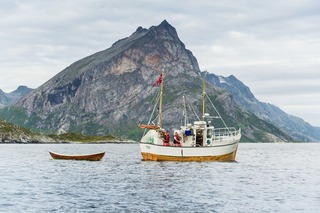
With its centre located on the island of Tromsø, the municipality of Tromsø is more than five times the size of Norway’s capital, Oslo, and is the world’s north...
Full description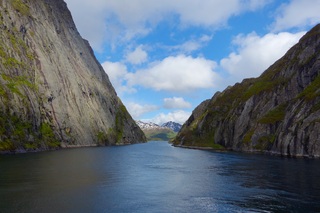
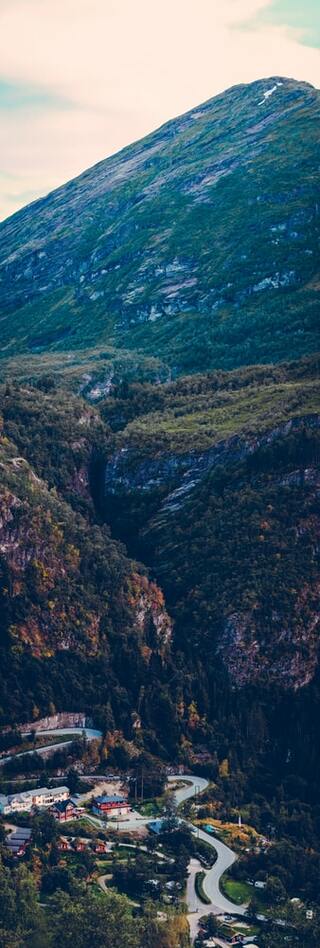
The Geirangerfjord, which made the UNESCO World Heritage List in 2005, is Norway's most spectacular and perhaps best-known fjord. The 16-km-long (10-mile-long),...
Full description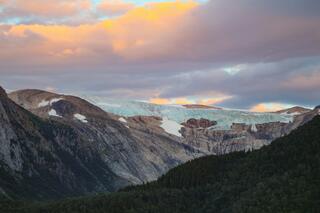
Bremerhaven was founded in 1139. In 1827 the decision was taken to make this small fishing town a huge deep-sea port, and today Bremerhaven, along with Bremen,...
Full description
With its centre located on the island of Tromsø, the municipality of Tromsø is more than five times the size of Norway’s capital, Oslo, and is the world’s north...
Full description
The Geirangerfjord, which made the UNESCO World Heritage List in 2005, is Norway's most spectacular and perhaps best-known fjord. The 16-km-long (10-mile-long),...
Full description
Bremerhaven was founded in 1139. In 1827 the decision was taken to make this small fishing town a huge deep-sea port, and today Bremerhaven, along with Bremen,...
Full descriptionTromsø
With its centre located on the island of Tromsø, the municipality of Tromsø is more than five times the size of Norway’s capital, Oslo, and is the world’s northernmost university city. Lying 200 miles inside the Arctic Circle, it is known as the 'Gateway to the Arctic' because it was used as a starting point for hunters looking for Arctic foxes, polar bears and seals. In the 19th century it was a base for explorers on Arctic expeditions – a history that is remembered in the city’s Polar Museum, which you can visit on an excursion. Also commemorated in the area is the history of Norway’s indigenous people, the Sami. Visitors can learn about the traditions, heritage and modern preservation of the Sami culture at the Tromsø Museum. Nowadays, Tromsø is a charming mix of old and new, with wooden buildings sitting alongside contemporary architecture such as the impressive glacier-like Arctic Cathedral, which features one of the largest stained glass windows in Europe. Looking down on the city is Mount Storsteinen, and a cable car runs to the top, giving wonderful views over the surrounding countryside of forested peaks and reindeer pastures.
Geiranger
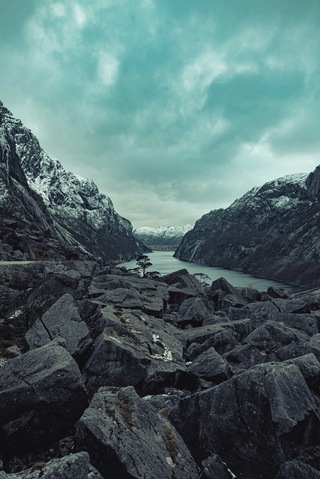
The Geirangerfjord, which made the UNESCO World Heritage List in 2005, is Norway's most spectacular and perhaps best-known fjord. The 16-km-long (10-mile-long), 960-foot-deep Geirangerfjord's most stunning attractions are its roaring waterfalls—the Seven Sisters, the Bridal Veil, and the Suitor. Perched on mountain ledges along the fjord, deserted farms at Skageflå and Knivsflå are being restored and maintained by local enthusiasts.The village of Geiranger, at the end of the fjord, is home to fewer than 300 year-round residents, but in spring and summer its population swells to 5,000 due to visitors traveling from Hellesylt to the east. In winter, snow on the mountain roads often makes the village isolated.
Bremerhaven
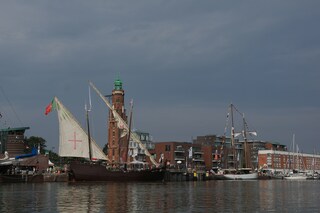
Bremerhaven was founded in 1139. In 1827 the decision was taken to make this small fishing town a huge deep-sea port, and today Bremerhaven, along with Bremen, forms the smallest of Germany’s federal states. This busy port is still part of the municipality of Bremen, and half of Germany’s fishing fleet deposit their catch here. Bremerhaven’s lighthouse, a famous landmark, dates back to 1853 and is the oldest working lighthouse on Germany's mainland North Sea coast. Bremerhaven is home to the German Shipping Museum, founded in 1971, which houses many interesting exhibits including a well-preserved 14th-century Hanseatic trading vessel, found at the bottom of the River Weser during dredging operations. Another attraction is the German Migration Museum, which tells the stories of Germans who migrated to the New World and of foreigners who have made their homes in Germany.
Date & price
Departs
Wed 23 Aug 2028
from £9,803 pp
Enquire now Call 020 7590 0610Per person, based on two sharing, cruise only. Updated daily and confirmed when you book.