
Summary
Itinerary & Map

Curaçao is a vibrant island in the southern Caribbean, just off the coast of Venezuela, and part of the Kingdom of the Netherlands. Known for its colorful Dutch...
Full descriptionBlessed with an abundance of wildlife, the first thing visitors to Ile Royale will notice will be the sea turtles feeding along the pier, the iguanas basking on...
Full description
Belém, capital of the state of Pará, is a port city and gateway to Brazil’s lower Amazon region. By Guajará Bay, the riverfront district Cidade Velha (old town)...
Full description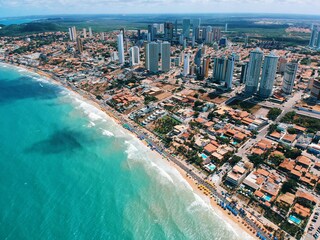
Trancoso is a district in the municipality of Porto Seguro in the state of Bahia, Brazil. Once a small fishing village, the town is now known for its beaches an...
Full description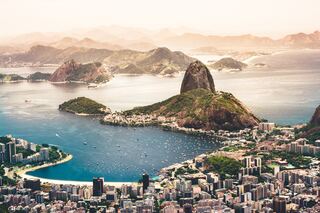
Welcome to the Cidade Maravilhosa, or the Marvelous City, as Rio is known in Brazil. Synonymous with the girl from Ipanema, the dramatic views from Christ the R...
Full description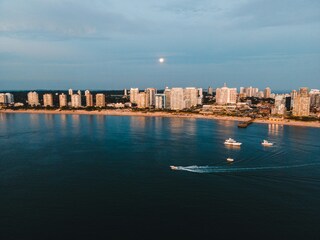
Often likened to the Hamptons or St-Tropez, Punta del Este is a flashy destination where parties run nonstop in peak season. But it is also a destination that d...
Full description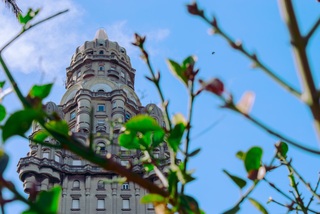
Uruguay’s capital city hugs the eastern bank of the Río de la Plata. A massive coastal promenade (malecón) that passes fine beaches, restaurants, and numerous p...
Full description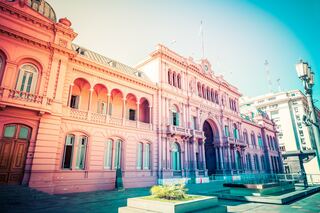
Glamorous and gritty, Buenos Aires is two cities in one. What makes Argentina's capital so fascinating is its dual heritage—part European, part Latin American....
Full description
Curaçao is a vibrant island in the southern Caribbean, just off the coast of Venezuela, and part of the Kingdom of the Netherlands. Known for its colorful Dutch...
Full descriptionBlessed with an abundance of wildlife, the first thing visitors to Ile Royale will notice will be the sea turtles feeding along the pier, the iguanas basking on...
Full description
Belém, capital of the state of Pará, is a port city and gateway to Brazil’s lower Amazon region. By Guajará Bay, the riverfront district Cidade Velha (old town)...
Full description
Trancoso is a district in the municipality of Porto Seguro in the state of Bahia, Brazil. Once a small fishing village, the town is now known for its beaches an...
Full description
Welcome to the Cidade Maravilhosa, or the Marvelous City, as Rio is known in Brazil. Synonymous with the girl from Ipanema, the dramatic views from Christ the R...
Full description
Often likened to the Hamptons or St-Tropez, Punta del Este is a flashy destination where parties run nonstop in peak season. But it is also a destination that d...
Full description
Uruguay’s capital city hugs the eastern bank of the Río de la Plata. A massive coastal promenade (malecón) that passes fine beaches, restaurants, and numerous p...
Full description
Glamorous and gritty, Buenos Aires is two cities in one. What makes Argentina's capital so fascinating is its dual heritage—part European, part Latin American....
Full descriptionCuraçao
Ile Royale, Salvation Islands
Blessed with an abundance of wildlife, the first thing visitors to Ile Royale will notice will be the sea turtles feeding along the pier, the iguanas basking on rocks, and perhaps even the peacocks strolling along the road. At first glance, the island seems like paradise but scratch the surface and a much sombre past becomes clear. In fact, French Guiana was not always the tropical holiday destination it is today – far from it. During its penal colony days, being sent ‘en Guyane’ was the ultimate form of punishment, reserved primarily for the worst of France’s criminals (many will, of course, know the story of Henri Charriere aka Papillon, played by Steve McQueen in the film of the same name). Thankfully, Ile Royale – part of the three islands known as The Devil’s Islands (the smallest of which still retains the name today) has thrown off the shackles of its past and today embraces visitors in a rather more welcoming manner! If you decide to venture beyond the picture postcard long beach with swaying palm trees, historians will no doubt enjoy visiting the beautiful French colonial buildings, once home to the prison officers. Besides the officers’ quarters sits one of the highlights of Ile Royale – the prisoner-built chapel, dating from 1855. The most striking features, inside the wooden church, are the murals painted by convicted forger, Francis Lagrange. Other remains include the House of the Sisters, the military hospital and of course, the prison itself. Interestingly, in 1971 the Centre National d’Etudes Spatiales (or CNES, France’s equivalent to NASA) purchased the islands. As they sit in the flight path of most rocket launches, the islands must be evacuated on launch days.
Belem
Belém, capital of the state of Pará, is a port city and gateway to Brazil’s lower Amazon region. By Guajará Bay, the riverfront district Cidade Velha (old town) preserves Portuguese-colonial architecture, including churches, colorful azulejo-tile houses and a 17th-century fortification known as Forte do Presépio. Ver-o-Peso is a vast, open-air market on the water selling Amazonian fish, fruit and handicrafts.
Trancoso
Trancoso is a district in the municipality of Porto Seguro in the state of Bahia, Brazil. Once a small fishing village, the town is now known for its beaches and has increased in popularity since gaining international attention around 2000 while retaining an eco-friendly appeal.
Rio de Janeiro
Welcome to the Cidade Maravilhosa, or the Marvelous City, as Rio is known in Brazil. Synonymous with the girl from Ipanema, the dramatic views from Christ the Redeemer atop Corcovado mountain, and fabulously flamboyant Carnival celebrations, Rio is a city of stunning architecture, abundant museums, and marvelous food. Rio is also home to 23 beaches, an almost continuous 73-km (45-mile) ribbon of sand.As you leave the airport and head to Rio's beautiful Zona Sul (the touristic South Zone), you'll drive for about 40 minutes on a highway from where you'll begin to get a sense of the dramatic contrast between beautiful landscape and devastating poverty. In this teeming metropolis of 12 million people (6.2 million of whom live in Rio proper), the very rich and the very poor live in uneasy proximity. You'll drive past seemingly endless cinder-block favela, but by the time you reach Copacabana's breezy, sunny Avenida Atlântica—flanked on one side by white beach and azure sea and on the other by condominiums and hotels—your heart will leap with expectation as you begin to recognize the postcard-famous sights. Now you're truly in Rio, where cariocas (Rio residents) and tourists live life to its fullest.Enthusiasm is contagious in Rio. Prepare to have your senses engaged and your inhibitions untied. Rio seduces with a host of images: the joyous bustle of vendors at Sunday's Feira Hippie (Hippie Fair); the tipsy babble at sidewalk cafés as patrons sip their last glass of icy beer under the stars; the blanket of lights beneath the Pão de Açúcar (Sugarloaf Mountain); the bikers, joggers, strollers, and power walkers who parade along the beach each morning. Borrow the carioca spirit for your stay; you may find yourself reluctant to give it back.
Punta del Este
Often likened to the Hamptons or St-Tropez, Punta del Este is a flashy destination where parties run nonstop in peak season. But it is also a destination that draws a range of beachgoers to its shores, from summering families to the celebrity jet-set. There's a bustling city on the beach downtown, as well as quiet countryside populated solely with upscale ranches called chacras or estancias, and creative, buzzing hamlets like La Barra and José Ignacio. Though it's pricey and at times a logistical challenge to get around, everyone finds something about Punta to love.The resort takes its name from the "east point" marking the division of the Río de la Plata on the west from the Atlantic Ocean to the east. It also lends its name to the broader region encompassing the nearby communities of Punta Ballena and La Barra de Maldonado. These days even José Ignacio, some 20 miles away, is grouped in. It's usually a given that Argentina’s upper class spends at least part of the summer in Punta, soaking in the ample rays.
Montevideo
Uruguay’s capital city hugs the eastern bank of the Río de la Plata. A massive coastal promenade (malecón) that passes fine beaches, restaurants, and numerous parks recalls the sunny sophistications of the Mediterranean and is always dotted with Montevideans strolling, exercising, and lounging along the water. Montevideo has its share of glitzy shopping avenues and modern office buildings, balanced with its historic old city and sumptuous colonial architecture, as well as numerous leafy plazas and parks. It is hard not to draw comparisons to its sister city Buenos Aires across the river, and indeed Montevideo strikes many as a calmer, more manageable incarnation of Argentina's capital.When the weather's good, La Rambla, a 22-km (14-mile) waterfront avenue that links the Old City with the eastern suburbs and changes names about a dozen times, gets packed with fishermen, ice-cream vendors, and joggers. Around sunset, volleyball and soccer games wind down as couples begin to appear for evening strolls. Polls consistently rate Montevideo as having the highest quality of life of any city in Latin America. After one visit here, especially on a lovely summer evening, you probably will agree.
Buenos Aires
Glamorous and gritty, Buenos Aires is two cities in one. What makes Argentina's capital so fascinating is its dual heritage—part European, part Latin American. Plaza de Mayo resembles a grand square in Madrid, and the ornate Teatro Colón would not be out of place in Vienna. But you’ll know you’re in South America by the leather shoes for sale on cobbled streets and impromptu parades of triumphant soccer fans. Limited-production wines, juicy steaks, and ice cream in countless flavors are among the old-world imports the city has perfected.
Date & price
Departs
Fri 5 Nov 2027
from £7,295 pp
Enquire now Call 020 7590 0610Per person, based on two sharing, cruise only. Updated daily and confirmed when you book.