
Summary
Itinerary & Map

Hamburg is Germany’s second-largest city with a history dating back to Charlemagne. A major port, this vibrant city is home to art and culture, extensive shoppi...
Full description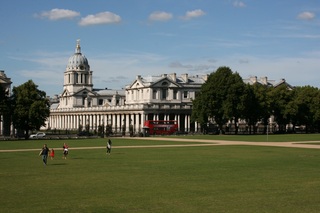
About 8 miles downstream—which means seaward, to the east—from central London, Greenwich is a small borough that looms large across the world. Once the seat of...
Full description
About 8 miles downstream—which means seaward, to the east—from central London, Greenwich is a small borough that looms large across the world. Once the seat of...
Full description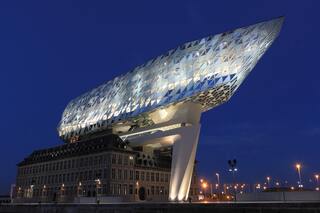
Explore Antwerp, Belgium's second city. Known for its diamond cutting industry, fashion and the many great artists that lived in its vicinity, Antwerp is a city...
Full description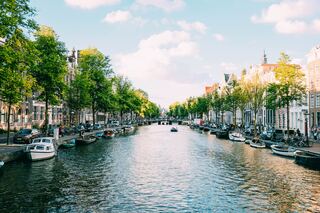
Amsterdam combines the unrivaled beauty of the 17th-century Golden Age city center with plenty of museums and art of the highest order, not to mention a remarka...
Full description
Oslo is the capital of Norway and is also its largest city, situated at the head of Oslo Fjord and surrounded by hills and forests. Home to some 50 museums and...
Full description
By the 11th century, Copenhagen was already an important trading and fishing centre and today you will find an attractive city which, although the largest in Sc...
Full description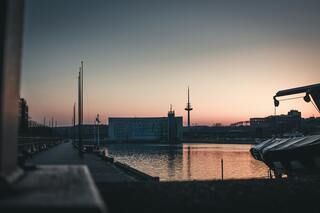
Known for the Kiel Canal and Kiel Week, the city boasts an important maritime history. Kiel is also a great place to sight-see, do some shopping and take part i...
Full description
Hamburg is Germany’s second-largest city with a history dating back to Charlemagne. A major port, this vibrant city is home to art and culture, extensive shoppi...
Full description
About 8 miles downstream—which means seaward, to the east—from central London, Greenwich is a small borough that looms large across the world. Once the seat of...
Full description
About 8 miles downstream—which means seaward, to the east—from central London, Greenwich is a small borough that looms large across the world. Once the seat of...
Full description
Explore Antwerp, Belgium's second city. Known for its diamond cutting industry, fashion and the many great artists that lived in its vicinity, Antwerp is a city...
Full description
Amsterdam combines the unrivaled beauty of the 17th-century Golden Age city center with plenty of museums and art of the highest order, not to mention a remarka...
Full description
Oslo is the capital of Norway and is also its largest city, situated at the head of Oslo Fjord and surrounded by hills and forests. Home to some 50 museums and...
Full description
By the 11th century, Copenhagen was already an important trading and fishing centre and today you will find an attractive city which, although the largest in Sc...
Full description
Known for the Kiel Canal and Kiel Week, the city boasts an important maritime history. Kiel is also a great place to sight-see, do some shopping and take part i...
Full descriptionHamburg
Hamburg is Germany’s second-largest city with a history dating back to Charlemagne. A major port, this vibrant city is home to art and culture, extensive shopping facilities, Baroque buildings and waterfront vistas. With its well-known fish market, art galleries and Museums together with several beautiful parks including a botanical garden, this is a city with something for everyone. British visitors who remember the Swinging Sixties may like to visit the streets around Grosse Freiheit, where an unknown pop group called The Beatles gave their first public performances in various local clubs before achieving worldwide fame.
London (Greenwich)
About 8 miles downstream—which means seaward, to the east—from central London, Greenwich is a small borough that looms large across the world. Once the seat of British naval power, it is not only home to the Old Royal Observatory, which measures time for our entire planet, but also the Greenwich Meridian, which divides the world into two—you can stand astride it with one foot in either hemisphere. Bear in mind that the journey to Greenwich is an event in itself. In a rush, you can take the driverless DLR train—but many opt for arriving by boat along the Thames. This way, you glide past famous sights on the London skyline (there’s a guaranteed spine chill on passing the Tower) and ever-changing docklands, and there’s usually a chirpy Cock-er-ney navigator enlivening the journey with his fun commentary. A visit to Greenwich feels like a trip to a rather elegant seaside town—albeit one with more than its fair share of historic sites. The grandiose Old Royal Naval Hospital, designed by Christopher Wren, was originally a home for veteran sailors. Today it’s a popular visitor attraction, with a more glamorous second life as one of the most widely used movie locations in Britain. Greenwich was originally home to one of England's finest Tudor palaces, and the birthplace of Henry VIII, Elizabeth I, and Mary I. Inigo Jones built what is considered the first "classical" building in England in 1616—the Queen's House, which now houses a collection of fine art. Britain was the world’s preeminent naval power for over 500 years, and the excellent National Maritime Museum> details that history in an engaging way. Its prize exhibits include the coat worn by Admiral Lord Nelson (1758–1805) in his final battle—bullet hole and all. The 19th-century tea clipper Cutty Sark was nearly destroyed by fire in 2007, but reopened in 2012 after a painstaking restoration. Now it’s more pristine than ever, complete with an impressive new visitor center. Greenwich Park, London's oldest royal park, is still home to fallow red deer, just as it has been since they were first introduced here for hunting by Henry VIII. The Ranger's House now houses a private art collection, next door to a beautifully manicured rose garden. Above it all is the Royal Observatory, where you can be in two hemispheres at once by standing along the Greenwich Meridian Line, before seeing a high-tech planetarium show. Toward north Greenwich, the hopelessly ambitious Millennium Dome has been successfully reborn as the O2 and now hosts major concerts and stand-up comedy gigs. More adventurous visitors can also go Up the O2 on a climbing expedition across the massive domed surface. Meanwhile, those who prefer excursions of a gentler kind may prefer to journey a couple of miles south of the borough, farther out into London’s southern suburbs, to the shamefully underappreciated Eltham Palace. Once a favorite of Henry VIII, parts of the mansion were transformed into an art deco masterpiece during the 1930s.
Antwerp
Explore Antwerp, Belgium's second city. Known for its diamond cutting industry, fashion and the many great artists that lived in its vicinity, Antwerp is a city focused on art and culture.
Amsterdam
Amsterdam combines the unrivaled beauty of the 17th-century Golden Age city center with plenty of museums and art of the highest order, not to mention a remarkably laid-back atmosphere. It all comes together to make this one of the world's most appealing and offbeat metropolises in the world. Built on a latticework of concentric canals like an aquatic rainbow, Amsterdam is known as the City of Canals—but it's no Venice, content to live on moonlight serenades and former glory. Quite the contrary: on nearly every street here you'll find old and new side by side—quiet corners where time seems to be holding its breath next to streets like neon-lit Kalverstraat, and Red Light ladies strutting by the city's oldest church. Indeed, Amsterdam has as many lovely facets as a 40-carat diamond polished by one of the city's gem cutters. It's certainly a metropolis, but a rather small and very accessible one. Locals tend to refer to it as a big village, albeit one that happens to pack the cultural wallop of a major world destination. There are scores of concerts every day, numerous museums, summertime festivals, and, of course, a legendary year-round party scene. It's pretty much impossible to resist Amsterdam's charms. With 7,000 registered monuments, most of which began as the residences and warehouses of humble merchants, set on 160 man-made canals, and traversed by 1,500 or so bridges, Amsterdam has the largest historical inner city in Europe. Its famous circle of waterways, the grachtengordel, was a 17th-century urban expansion plan for the rich and is a lasting testament to the city’s Golden Age. This town is endearing because of its kinder, gentler nature—but a reputation for championing sex, drugs, and rock ’n’ roll does not alone account for Amsterdam's being one of the most popular destinations in Europe: consider that within a single square mile the city harbors some of the greatest achievements in Western art, from Rembrandt to Van Gogh. Not to mention that this is one of Europe's great walking cities, with so many of its treasures in the untouted details: tiny alleyways barely visible on the map, hidden garden courtyards, shop windows, floating houseboats, hidden hofjes(courtyards with almshouses), sudden vistas of church spires, and gabled roofs that look like so many unframed paintings. And don’t forget that the joy lies in details: elaborate gables and witty gable stones denoting the trade of a previous owner. Keep in mind that those XXX symbols you see all over town are not a mark of the city's triple-X reputation. They're part of Amsterdam's official coat of arms—three St. Andrew's crosses, believed to represent the three dangers that have traditionally plagued the city: flood, fire, and pestilence. The coat's motto ("Valiant, determined, compassionate") was introduced in 1947 by Queen Wilhelmina in remembrance of the 1941 February Strike in Amsterdam—the first time in Europe that non-Jewish people protested against the persecution of Jews by the Nazi regime.
Oslo
Oslo is the capital of Norway and is also its largest city, situated at the head of Oslo Fjord and surrounded by hills and forests. Home to some 50 museums and full of galleries, cafés, a sculpture park and the Royal Palace, this vibrant city with its handsome 19th-century buildings and wide streets has much to offer. Its history dates back 1,000 years, and includes a rich seafaring heritage that ranges from the Viking era to Thor Heyerdahl’s Kon Tiki expedition. Discover more about this exciting city on our varied selection of excursions.
Copenhagen
By the 11th century, Copenhagen was already an important trading and fishing centre and today you will find an attractive city which, although the largest in Scandinavia, has managed to retain its low-level skyline. Discover some of the famous attractions including Gefion Fountain and Amalienborg Palace, perhaps cruise the city’s waterways, visit Rosenborg Castle or explore the medieval fishing village of Dragoer. Once the home of Hans Christian Andersen, Copenhagen features many reminders of its fairytale heritage and lives up to the reputation immortalised in the famous song ‘Wonderful Copenhagen’.
Kiel
Known for the Kiel Canal and Kiel Week, the city boasts an important maritime history. Kiel is also a great place to sight-see, do some shopping and take part in one of the many festivals taking place there.
Date & price
Departs
Fri 1 Dec 2028
from £5,051 pp
Enquire now Call 020 7590 0610Per person, based on two sharing, cruise only. Updated daily and confirmed when you book.