
Summary
Itinerary & Map
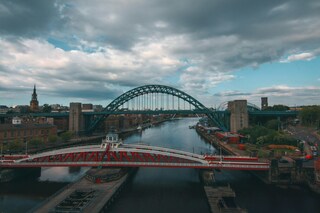
An urban city mixing culture, sophistication and heritage, Newcatle-upon-Tyne offers a range of activities and attractions. With more theatres per person than a...
Full description
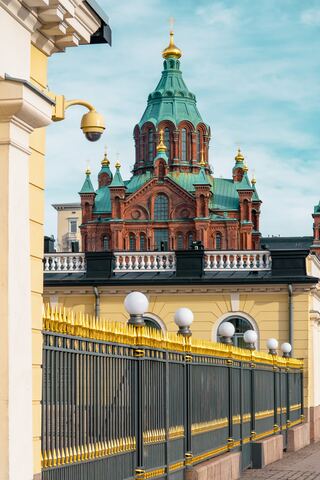
A city of the sea, Helsinki was built along a series of oddly shaped peninsulas and islands jutting into the Baltic coast along the Gulf of Finland. Streets and...
Full description
Estonia's history is sprinkled liberally with long stretches of foreign domination, beginning in 1219 with the Danes, followed without interruption by the Germa...
Full description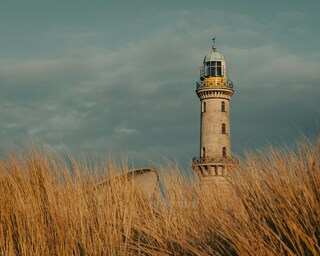
Warnemünde, officially a suburb of Rostock, is a quaint seaside resort town with the best hotels and restaurants in the area, as well as 20 km (12 miles) of bea...
Full description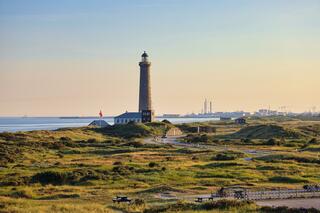
An urban city mixing culture, sophistication and heritage, Newcatle-upon-Tyne offers a range of activities and attractions. With more theatres per person than a...
Full description
An urban city mixing culture, sophistication and heritage, Newcatle-upon-Tyne offers a range of activities and attractions. With more theatres per person than a...
Full description
A city of the sea, Helsinki was built along a series of oddly shaped peninsulas and islands jutting into the Baltic coast along the Gulf of Finland. Streets and...
Full description
Estonia's history is sprinkled liberally with long stretches of foreign domination, beginning in 1219 with the Danes, followed without interruption by the Germa...
Full description
Warnemünde, officially a suburb of Rostock, is a quaint seaside resort town with the best hotels and restaurants in the area, as well as 20 km (12 miles) of bea...
Full description
An urban city mixing culture, sophistication and heritage, Newcatle-upon-Tyne offers a range of activities and attractions. With more theatres per person than a...
Full descriptionNewcastle upon Tyne
An urban city mixing culture, sophistication and heritage, Newcatle-upon-Tyne offers a range of activities and attractions. With more theatres per person than anywhere else in the UK, Newcastle has a wide range of arts and cultural attractions for visitors to enjoy, from the Theatre Royal – regional home to the Royal Shakespeare Company – to the famous Angel of the North.
Helsinki
A city of the sea, Helsinki was built along a series of oddly shaped peninsulas and islands jutting into the Baltic coast along the Gulf of Finland. Streets and avenues curve around bays, bridges reach to nearby islands, and ferries ply among offshore islands.Having grown dramatically since World War II, Helsinki now absorbs more than one-tenth of the Finnish population. The metro area covers 764 square km (474 square miles) and 315 islands. Most sights, hotels, and restaurants cluster on one peninsula, forming a compact central hub. The greater Helsinki metropolitan area, which includes Espoo and Vantaa, has a total population of more than a million people.Helsinki is a relatively young city compared with other European capitals. In the 16th century, King Gustav Vasa of Sweden decided to woo trade from the Estonian city of Tallinn and thus challenge the Hanseatic League's monopoly on Baltic trade. Accordingly, he commanded the people of four Finnish towns to pack up their belongings and relocate to the rapids on the River Vantaa. The new town, founded on June 12, 1550, was named Helsinki.For three centuries, Helsinki (Helsingfors in Swedish) had its ups and downs as a trading town. Turku, to the west, remained Finland's capital and intellectual center. However, Helsinki's fortunes improved when Finland fell under Russian rule as an autonomous grand duchy. Czar Alexander I wanted Finland's political center closer to Russia and, in 1812, selected Helsinki as the new capital. Shortly afterward, Turku suffered a disastrous fire, forcing the university to move to Helsinki. The town's future was secure.Just before the czar's proclamation, a fire destroyed many of Helsinki's traditional wooden structures, precipitating the construction of new buildings suitable for a nation's capital. The German-born architect Carl Ludvig Engel was commissioned to rebuild the city, and as a result, Helsinki has some of the purest neoclassical architecture in the world. Add to this foundation the influence of Stockholm and St. Petersburg with the local inspiration of 20th-century Finnish design, and the result is a European capital city that is as architecturally eye-catching as it is distinct from other Scandinavian capitals. You are bound to discover endless engaging details—a grimacing gargoyle; a foursome of males supporting a balcony's weight on their shoulders; a building painted in striking colors with contrasting flowers in the windows. The city's 400 or so parks make it particularly inviting in summer.Today, Helsinki is still a meeting point of eastern and western Europe, which is reflected in its cosmopolitan image, the influx of Russians and Estonians, and generally multilingual population. Outdoor summer bars ("terrassit" as the locals call them) and cafés in the city center are perfect for people watching on a summer afternoon.
Tallinn
Estonia's history is sprinkled liberally with long stretches of foreign domination, beginning in 1219 with the Danes, followed without interruption by the Germans, Swedes, and Russians. Only after World War I, with Russia in revolutionary wreckage, was Estonia able to declare its independence. Shortly before World War II, in 1940, that independence was usurped by the Soviets, who—save for a brief three-year occupation by Hitler's Nazis—proceeded to suppress all forms of national Estonian pride for the next 50 years. Estonia finally regained independence in 1991. In the early 1990s, Estonia's own Riigikogu (Parliament), not some other nation's puppet ruler, handed down from the Upper City reforms that forced Estonia to blaze its post-Soviet trail to the European Union. Estonia has been a member of the EU since 2004, and in 2011, the country and its growing economy joined the Eurozone. Tallinn was also named the European City of Culture in 2011, cementing its growing reputation as a cultural hot spot.
Warnemünde
Warnemünde, officially a suburb of Rostock, is a quaint seaside resort town with the best hotels and restaurants in the area, as well as 20 km (12 miles) of beautiful white-sand beach. It's been a popular summer getaway for families in eastern Germany for years.There is little to do in Warnemünde except relax, and the town excels brilliantly at that. However, Warnemünde is a major cruise-ship terminal. Whenever there is more than one ship at dock, the town explodes with a county fair–like atmosphere, and shops and restaurants stay open until the ships leave at midnight. The city celebrates the dreifache Anlauf, when three ships dock simultaneously, with fireworks.
Date & price
Select guest
Departs
Tue 1 Jun 2027
from £4,399 pp
Enquire now Call 020 7590 0610Per person, based on two sharing, cruise only. Updated daily and confirmed when you book.