
Summary
Itinerary & Map
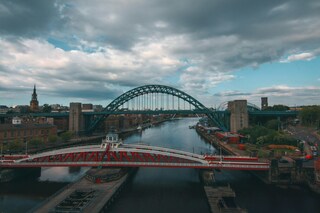
An urban city mixing culture, sophistication and heritage, Newcatle-upon-Tyne offers a range of activities and attractions. With more theatres per person than a...
Full description
La Coruña, the largest city in Spain's Galicia region, is among the country's busiest ports. The remote Galicia area is tucked into the northwest corner of the...
Full description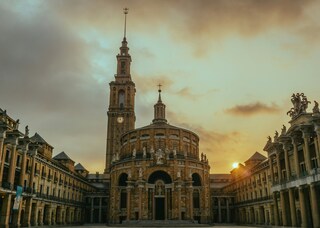
The Campo Valdés baths, dating back to the 1st century AD, and other reminders of Gijón's time as an ancient Roman port remain visible downtown. Gijón was almos...
Full description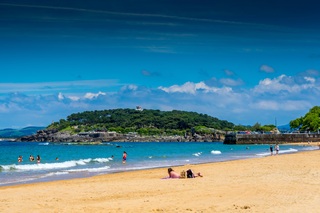
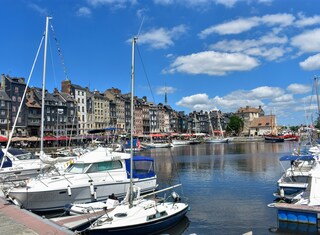
Honfleur, the most picturesque of the Côte Fleurie's seaside towns, is a time-burnished place with a surplus of half-timber houses and cobbled streets that are...
Full description
An urban city mixing culture, sophistication and heritage, Newcatle-upon-Tyne offers a range of activities and attractions. With more theatres per person than a...
Full description
An urban city mixing culture, sophistication and heritage, Newcatle-upon-Tyne offers a range of activities and attractions. With more theatres per person than a...
Full description
La Coruña, the largest city in Spain's Galicia region, is among the country's busiest ports. The remote Galicia area is tucked into the northwest corner of the...
Full description
The Campo Valdés baths, dating back to the 1st century AD, and other reminders of Gijón's time as an ancient Roman port remain visible downtown. Gijón was almos...
Full description
Honfleur, the most picturesque of the Côte Fleurie's seaside towns, is a time-burnished place with a surplus of half-timber houses and cobbled streets that are...
Full description
An urban city mixing culture, sophistication and heritage, Newcatle-upon-Tyne offers a range of activities and attractions. With more theatres per person than a...
Full descriptionNewcastle upon Tyne
An urban city mixing culture, sophistication and heritage, Newcatle-upon-Tyne offers a range of activities and attractions. With more theatres per person than anywhere else in the UK, Newcastle has a wide range of arts and cultural attractions for visitors to enjoy, from the Theatre Royal – regional home to the Royal Shakespeare Company – to the famous Angel of the North.
La Coruña
La Coruña, the largest city in Spain's Galicia region, is among the country's busiest ports. The remote Galicia area is tucked into the northwest corner of the Iberian Peninsula, surprising visitors with its green and misty countryside that is so much unlike other parts of Spain. The name "Galicia" is Celtic in origin, for it was the Celts who occupied the region around the 6th-century BC and erected fortifications. La Coruña was already considered an important port under the Romans. They were followed by an invasion of Suevians, Visigoths and, much later in 730, the Moors. It was after Galicia was incorporated into the Kingdom of Asturias that the epic saga of the Pilgrimage to Santiago (St. James) began. From the 15th century, overseas trade developed rapidly; in 1720, La Coruña was granted the privilege of trading with America - a right previously only held by Cadiz and Seville. This was the great era when adventurous men voyaged to the colonies and returned with vast riches. Today, the city's significant expansion is evident in three distinct quarters: the town centre located along the isthmus; the business and commercial centre with wide avenues and shopping streets; and the "Ensanche" to the south, occupied by warehouses and factories. Many of the buildings in the old section feature the characteristic glazed façades that have earned La Coruña the name "City of Crystal." Plaza Maria Pita, the beautiful main square, is named after the local heroine who saved the town in 1589 when she seized the English standard from the beacon and gave the alarm, warning her fellow townsmen of the English attack.
Gijón
The Campo Valdés baths, dating back to the 1st century AD, and other reminders of Gijón's time as an ancient Roman port remain visible downtown. Gijón was almost destroyed in a 14th-century struggle over the Castilian throne, but by the 19th century it was a thriving port and industrial city. The modern-day city is part fishing port, part summer resort, and part university town, packed with cafés, restaurants, and sidrerías.
Honfleur
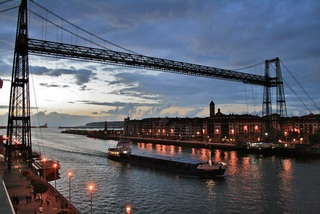
Honfleur, the most picturesque of the Côte Fleurie's seaside towns, is a time-burnished place with a surplus of half-timber houses and cobbled streets that are lined with a stunning selection of stylish boutiques. Much of its Renaissance architecture remains intact—especially around the 17th-century Vieux Bassin harbor, where the water is fronted on one side by two-story stone houses with low, sloping roofs and on the other by tall slate-topped houses with wooden facades. Maritime expeditions (including some of the first voyages to Canada) departed from here; later, Impressionists were inspired to capture it on canvas. But the town as a whole has become increasingly crowded since the Pont de Normandie opened in 1995. Providing a direct link with Upper Normandy, the world's sixth-largest cable-stayed bridge is supported by two concrete pylons taller than the Eiffel Tower and designed to resist winds of 257 kph (160 mph).
Date & price
Select guest
Departs
Sun 2 Apr 2028
from £999 pp
Enquire now Call 020 7590 0610Per person, based on two sharing, cruise only. Updated daily and confirmed when you book.