
Summary
Begin your journey with a three-night stay in Nice, which will introduce you to the French Riviera and glamorous Monaco. Join your cruise in Arles where you will embark on a guided tour and later enjoy an authentic Provençal dinner on board, hosted by renowned French chef, Fabien Morreale. Sail onwards through the South of France, witnessing some of the finest examples of French 15th century architecture and sun-soaked vineyards. The country's gastronomic beating heart, Lyon, is sure to be a highlight of your river cruise. A two-night stay in Paris is the perfect way to extend your journey. Embark on a guided city tour and a cruise along the romantic Seine.
Itinerary & Map
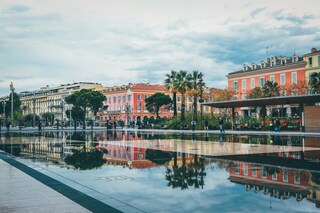
United with France only since 1860, Nice has its own history and atmosphere, which dates back 230,000 years. It was on Colline du Château (now château-less) and...
Full description
United with France only since 1860, Nice has its own history and atmosphere, which dates back 230,000 years. It was on Colline du Château (now château-less) and...
Full description
United with France only since 1860, Nice has its own history and atmosphere, which dates back 230,000 years. It was on Colline du Château (now château-less) and...
Full description
United with France only since 1860, Nice has its own history and atmosphere, which dates back 230,000 years. It was on Colline du Château (now château-less) and...
Full description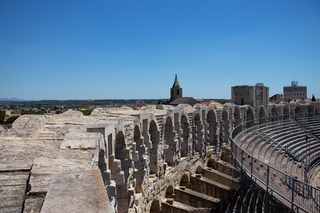
Arles, France, is a historic city in Provence renowned for its Roman heritage and artistic legacy. The ancient amphitheater and the Roman Theater are standout l...
Full description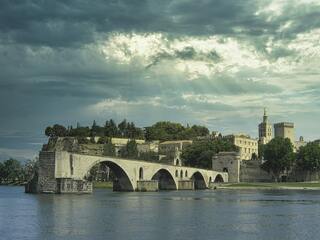
Avignon, France, is a historic city in Provence famed for its stunning medieval architecture. Dominated by the impressive Palais des Papes, a grand papal palace...
Full description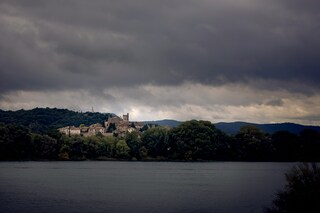
Viviers, France, is a charming medieval town in the Rhône-Alpes region, renowned for its well-preserved historical architecture. Nestled on the banks of the Rhô...
Full description

Lyon, the capital city in France’s Auvergne-Rhône-Alpes region, sits at the junction of the Rhône and Saône rivers. Its center reflects 2,000 years of history f...
Full description
Lyon, the capital city in France’s Auvergne-Rhône-Alpes region, sits at the junction of the Rhône and Saône rivers. Its center reflects 2,000 years of history f...
Full description
United with France only since 1860, Nice has its own history and atmosphere, which dates back 230,000 years. It was on Colline du Château (now château-less) and...
Full description
United with France only since 1860, Nice has its own history and atmosphere, which dates back 230,000 years. It was on Colline du Château (now château-less) and...
Full description
United with France only since 1860, Nice has its own history and atmosphere, which dates back 230,000 years. It was on Colline du Château (now château-less) and...
Full description
United with France only since 1860, Nice has its own history and atmosphere, which dates back 230,000 years. It was on Colline du Château (now château-less) and...
Full description
Arles, France, is a historic city in Provence renowned for its Roman heritage and artistic legacy. The ancient amphitheater and the Roman Theater are standout l...
Full description
Avignon, France, is a historic city in Provence famed for its stunning medieval architecture. Dominated by the impressive Palais des Papes, a grand papal palace...
Full description
Viviers, France, is a charming medieval town in the Rhône-Alpes region, renowned for its well-preserved historical architecture. Nestled on the banks of the Rhô...
Full description
Lyon, the capital city in France’s Auvergne-Rhône-Alpes region, sits at the junction of the Rhône and Saône rivers. Its center reflects 2,000 years of history f...
Full description
Lyon, the capital city in France’s Auvergne-Rhône-Alpes region, sits at the junction of the Rhône and Saône rivers. Its center reflects 2,000 years of history f...
Full description
Nice
United with France only since 1860, Nice has its own history and atmosphere, which dates back 230,000 years. It was on Colline du Château (now château-less) and at the Plage des Ponchettes, in front of the Old Town, that the Greeks established a market-port in 350 BC and named it Nikaia, which would become Marseilles' chief coastal rival. The Romans established themselves a little later on the hills of Cimiez (Cemenelum), already previously occupied by Ligurians and Celts, and quickly overshadowed the waterfront port. After falling to the Saracen invasions, Nice regained power as an independent state, becoming an important port in the early Middle Ages.So cocksure did it become that in 1388, Nice, along with the hill towns behind, effectively seceded from the county of Provence, under Louis d'Anjou, and allied itself with Savoie. Thus began its liaison with the House of Savoy, and through it with Piedmont and Sardinia, it was the Comté de Nice (Nice County). This relationship lasted some 500 years, tinting the culture, architecture, and dialect in rich Italian hues.By the 19th century Nice was flourishing commercially, locked in rivalry with the neighboring shipping port of Genoa. Another source of income: the dawning of tourism, as first the English, then the Russian nobility, discovered its extraordinary climate and superb waterfront position. A parade of fine stone mansions and hotels closed into a nearly solid wall of masonry, separated from the smooth-round rocks of the beach by what was originally named Camin deis Anglés (the English Way), which of course is now the famous Promenade des Anglais. This magnificent crescent, which is seeking UNESCO recognition, is one of the noblest in France. Many of Nice's most delightful attractions—the Cours Saleya market, the Old Town streets, the Hotel Negresco, and the Palais Masséna—are on or close to this 10-km (6-mile) waterfront, making it the first stop for most visitors, while the redevelopment of Nice's port, around the other side of the Colline du Château, makes it easier for amblers who want to take in the Genoese architecture or peruse the antiques at the Puces de Nice, now part of the Promenade des 100 Antiquaires, along Quai Papacino. Nice also has the distinction of the "Family Plus" label, with free strollers, play areas, and restaurants with child-friendly activities.
Arles
Arles, France, is a historic city in Provence renowned for its Roman heritage and artistic legacy. The ancient amphitheater and the Roman Theater are standout landmarks. Arles also boasts charming streets and vibrant markets, reflecting its rich cultural life. Known for its connection to Vincent van Gogh, the city features scenes immortalized in his paintings. The blend of historical architecture, vibrant local culture, and picturesque landscapes makes Arles a captivating destination for history buffs and art enthusiasts alike.
Avignon
Avignon, France, is a historic city in Provence famed for its stunning medieval architecture. Dominated by the impressive Palais des Papes, a grand papal palace, and the iconic Pont Saint-Bénézet bridge, Avignon offers a rich cultural heritage. Its charming streets, vibrant markets, and annual theater festival, the Festival d'Avignon, add to its allure. Surrounded by picturesque vineyards and the Rhône River, Avignon blends history with a lively contemporary atmosphere, making it a must-visit for history enthusiasts and culture seekers.
Viviers
Viviers, France, is a charming medieval town in the Rhône-Alpes region, renowned for its well-preserved historical architecture. Nestled on the banks of the Rhône River, it features narrow, winding streets, ancient stone houses, and the impressive Saint-Vincent Cathedral. The town's Roman and medieval heritage is evident in its old ramparts and historic buildings. Viviers' tranquil atmosphere and picturesque surroundings offer a glimpse into the past, making it a delightful destination for history lovers and those seeking a serene escape.
Lyon
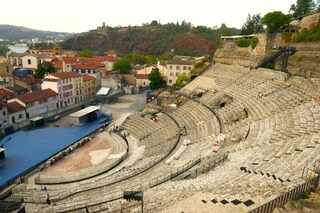
Lyon, the capital city in France’s Auvergne-Rhône-Alpes region, sits at the junction of the Rhône and Saône rivers. Its center reflects 2,000 years of history from the Roman Amphithéâtre des Trois Gaules, medieval and Renaissance architecture in Vieux (Old) Lyon, to the modern Confluence district on Presqu'île peninsula. Traboules, covered passageways between buildings, connect Vieux Lyon and La Croix-Rousse hill.
Dates & prices
Select guest
Flights included
Departs
Wed 14 Apr 2027
from £5,450 pp
Enquire now Call 020 7590 0610Per person, based on two sharing, flights included. Updated daily and confirmed when you book. Flights from UK airports only.