
Summary
Welcome to Aurora Expeditions’ Costa Rica and the Panama Canal voyage.
Immerse yourself in the remarkable coastlines of Costa Rica and Panama. Costa Rica is one of the most biodiverse regions on earth. Discover tropical rainforests teeming with outstanding variety of wildlife, dazzling birdlife and flamboyant flora. In Panama, discover pristine coral reefs and learn the remarkable history of the Panama Canal on a guaranteed daylight crossing from the Pacific Ocean to the Caribbean Sea.
Itinerary & Map
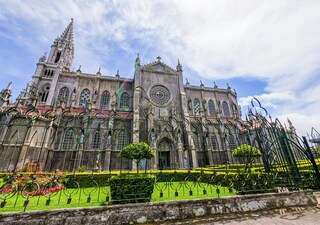
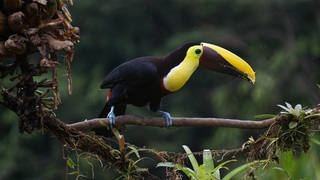
Located on the southeast tip of the Nicoya Peninsula, the Curu Wildlife Refuge is known for its pristine, white-sand beaches and impressive variety of species r...
Full description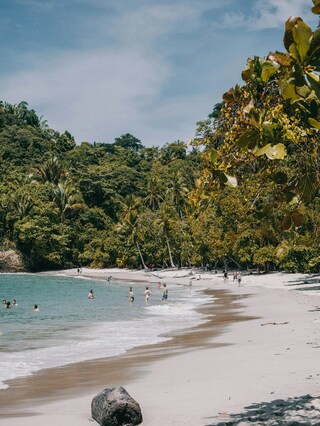
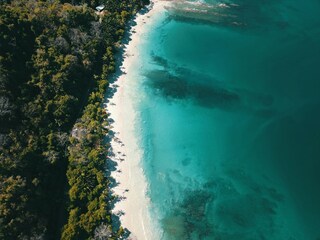
Wild, scenic and incredibly bio-diverse, Golfo Dulce is not on most tourists itineraries. The name, says it all, Golfo Dulce or sweet gulf, in English. After a...
Full description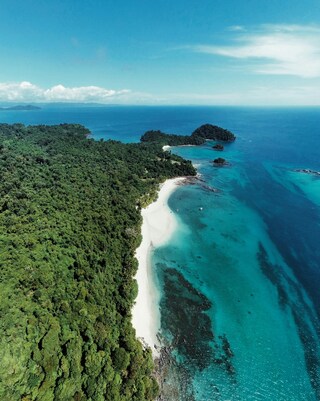

Expect incredible morning views as you arrive into the port for Panama City. Tinged with a silver pre-dawn light, the city will metamorphosise into a golden glo...
Full description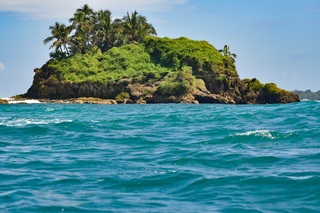
The provincial capital of Colón, beside the canal's Atlantic entrance, is named for the Spanish-language surname of Christopher Columbus, though the Americans c...
Full description
Located on the southeast tip of the Nicoya Peninsula, the Curu Wildlife Refuge is known for its pristine, white-sand beaches and impressive variety of species r...
Full description
Wild, scenic and incredibly bio-diverse, Golfo Dulce is not on most tourists itineraries. The name, says it all, Golfo Dulce or sweet gulf, in English. After a...
Full description
Expect incredible morning views as you arrive into the port for Panama City. Tinged with a silver pre-dawn light, the city will metamorphosise into a golden glo...
Full description
The provincial capital of Colón, beside the canal's Atlantic entrance, is named for the Spanish-language surname of Christopher Columbus, though the Americans c...
Full descriptionCurú Wildlife Refuge
Located on the southeast tip of the Nicoya Peninsula, the Curu Wildlife Refuge is known for its pristine, white-sand beaches and impressive variety of species ranging from monkeys to sand crabs. In total the refuge covers 3,707 total acres and 656 feet of coastline. Travelers to the Curu Wildlife Refuge will quickly notice that they are in the minority at the site, with only a few people in the area among the abundance of animals and sea creatures. All of your senses will be captivated by this overwhelming amount of wildlife at the reserve, which offers some of the best eco-tourism in Costa Rica. Curu officially received support from the Costa Rican government to protect its wildlife in 1981 and the area officially became known as the Curu Wildlife Refuge in 1983. Today, the refuge is privately owned, extremely-well cared for and even more exclusive than many of the national parks in the country. If you're looking to participate in some of the vast eco-tourism opportunities in Costa Rica, the refuge should be a top priority because of its exclusivity and the ability of visitors to personally interact with the diverse animal population. The refuge also features 17 peaceful trails, where travellers can check out this abundant wildlife in a number of different ecosystems, including mangrove swamps and both dry and wet tropical forests.
Golfo Dulce
Wild, scenic and incredibly bio-diverse, Golfo Dulce is not on most tourists itineraries. The name, says it all, Golfo Dulce or sweet gulf, in English. After a well justified visit to the Golfo Dulce, located in the South Pacific region of Costa Rica, and adjacent to the Osa Peninsula, visitors will be delighted and perplexed, wondering why they would ever leave this wonderland. Several coastal hamlets reside along this enchanting gulf, namely Puerto Jiménez, Golfito, Zancudo and Pavones, as well as the Piedras Blancas National Park. This is one stop on the itinerary that won’t soon be forgotten. Easily one of the wettest and most humid sections in the country, Golfo Dulce and the southwest can receive more than 200 inches (500 cm) of rainfall per year. This assures the surrounding area will be thriving with wild and plant life, perfect for aspiring adventurers. Surrounded by Corcovado National Park to the southwest, and Costa Rica’s mainland to the northeast, Golfo Dulce serves up a large platter of entertainment for all who visit. Sprouting along the edges of the Golfo Dulce are mangroves and estuaries full of wildlife. Explore these ecosystems crowded with crocodiles, river otters, waterfowl, monkeys and much more. Fed by the Coto Colorado River, the Coto River Swamps are an excellent choice for discovering these uncanny wetlands and the secrets that lay within.
Panama City
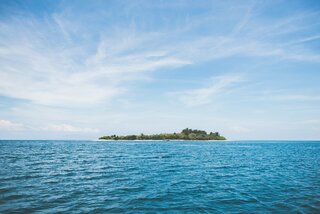
Expect incredible morning views as you arrive into the port for Panama City. Tinged with a silver pre-dawn light, the city will metamorphosise into a golden glow as the sun rises above it. And from then on expect one stunning view after another. Very interesting in its own right, Fuerte Amador is obviously overshadowed by its proximity to Panama City. So should the Miraflores museum of the Canal, which offers a comprehensive and immersive tour of the Canal including a 3-D experience, four exhibition halls, an observation deck, and a surprisingly good restaurant not interest you then there is always the option of lovely Casco Viejo – literally the old quartier of Panama. The grand old colonial houses, cobbled streets, independent boutiques and buzzing street scene make this a must stop on your itinerary. And if you like seafood, you will not want miss the many restaurants and market stalls serving different variations of so-fresh-it’s-still-practically-swimming ceviche. Best eaten like the Panamanians do, with salty crackers and a cold beer on the beach. And if money is no object, a cup of geisha coffee – supposedly the world’s best and definitely the world’s most expensive at $7 a shot is definitely a pick me up! Cool cosmopolitan capital aside, Panama has a skyscraper filled skyline that is worthy of some of its North American counterparts. But if urban utopia is not your scene then fear not, the sandy beaches and lush rainforests are never more than a short cab ride away.
Colón and Panama City
The provincial capital of Colón, beside the canal's Atlantic entrance, is named for the Spanish-language surname of Christopher Columbus, though the Americans called it Aspinwall in the 19th century.. The city was founded in 1850 by Americans working on the Panama railroad and named Aspinwall for one of the railway engineers. Following completion in 1855, Colon gained in importance, which was furthered by the plans for an isthmian canal. During the time of the French canal attempt, a fire in 1885 burned the city nearly to the ground and left thousands of people homeless. Colon was rebuilt in the architectural style then popular in France. Buildings from that era plus the ones constructed by Americans between 1904 and 1914 are still in use today, although the majority is on the verge of collapse. In addition to its importance as a port, Colon boasts the world’s second largest duty-free zone, known as Zona Libre, which is contained in a huge fortress like, walled-off area with giant international stores. However, most of the merchandise is sold in bulk to commercial businesses throughout the country.
Dates & prices
Select guest
Departs
Sat 15 Apr 2028
Douglas Mawson
from £10,335 pp
Enquire now Call 020 7590 0610Per person, based on two sharing, cruise only. Updated daily and confirmed when you book.